Egypt has officially commenced construction of a large-scale vaccine and biological pharmaceutical manufacturing complex in the Sokhna Industrial Zone within the Suez Canal Economic Zone (SCZone). The project, valued at 150 million US dollars, is expected to become a major hub for vaccine production across the African continent and beyond.
According to a statement released by the SCZone, the GENNVAX project will occupy 50,000 square metres and is projected to be the largest integrated facility of its kind in Egypt. The facility will focus on the production of 29 vaccines and biological serums, spanning from formulation to packaging.
The initiative represents a significant step in Egypt’s broader industrial localisation strategy, which seeks to enhance self-reliance in priority sectors such as healthcare and pharmaceuticals. Waleid Gamal El-Dein, Chairman of the SCZone, stated that the project aims to reduce dependence on imported vaccines and strengthen Egypt’s role as a producer of essential medical supplies for both domestic and regional needs.



GENNVAX is a subsidiary of El Daba Holding, an Egyptian conglomerate with diversified investments across health, energy, and infrastructure. The company has announced that the new plant will generate between 500 and 700 jobs during its operational phase and achieve an annual production capacity of approximately 270 million doses. This far exceeds Egypt’s domestic requirement of around 70 to 80 million doses per year, leaving a surplus capacity that is expected to be channelled towards exports, particularly to African and Middle Eastern markets.
Nibal Dahaba, shareholder and managing director of GENNVAX, explained that the plant will manage the full manufacturing process, covering both upstream and downstream production stages. The company will operate under international technology transfer agreements to ensure quality standards align with global best practices.
The establishment of this facility not only supports Egypt’s industrial diversification goals but also underscores Africa’s growing determination to enhance local vaccine manufacturing capacity. The continent currently imports nearly 99 per cent of its vaccines, a situation the African Union has identified as a major vulnerability exposed during the COVID-19 pandemic. Egypt’s investment in GENNVAX adds to a wider continental effort led by the African Vaccine Manufacturing Partnership to increase Africa’s vaccine production share to 60 per cent by 2040.

Observers note that the project symbolises a broader narrative of African nations taking proactive steps to secure their health sovereignty through regional collaboration and technological capacity building. As global supply chains continue to face disruptions, initiatives such as this mark a crucial shift from dependency to resilience.
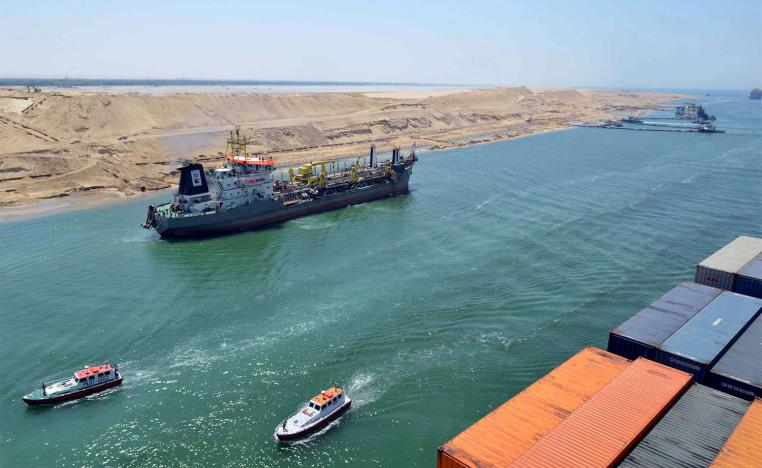
The Suez Canal Economic Zone has emerged as a key hub for industrial development in Egypt, offering logistical advantages through proximity to major shipping routes that connect Africa, Asia, and Europe. The inclusion of advanced pharmaceutical infrastructure within this zone signals Egypt’s intention to integrate healthcare manufacturing within its economic modernisation agenda.
Once operational, the GENNVAX facility is expected to strengthen Egypt’s role in continental health security and contribute to the broader Pan African vision of self-sufficiency in medical production. This development aligns with ongoing African Union strategies to prioritise healthcare investment as a cornerstone of sustainable development.