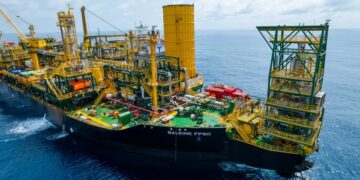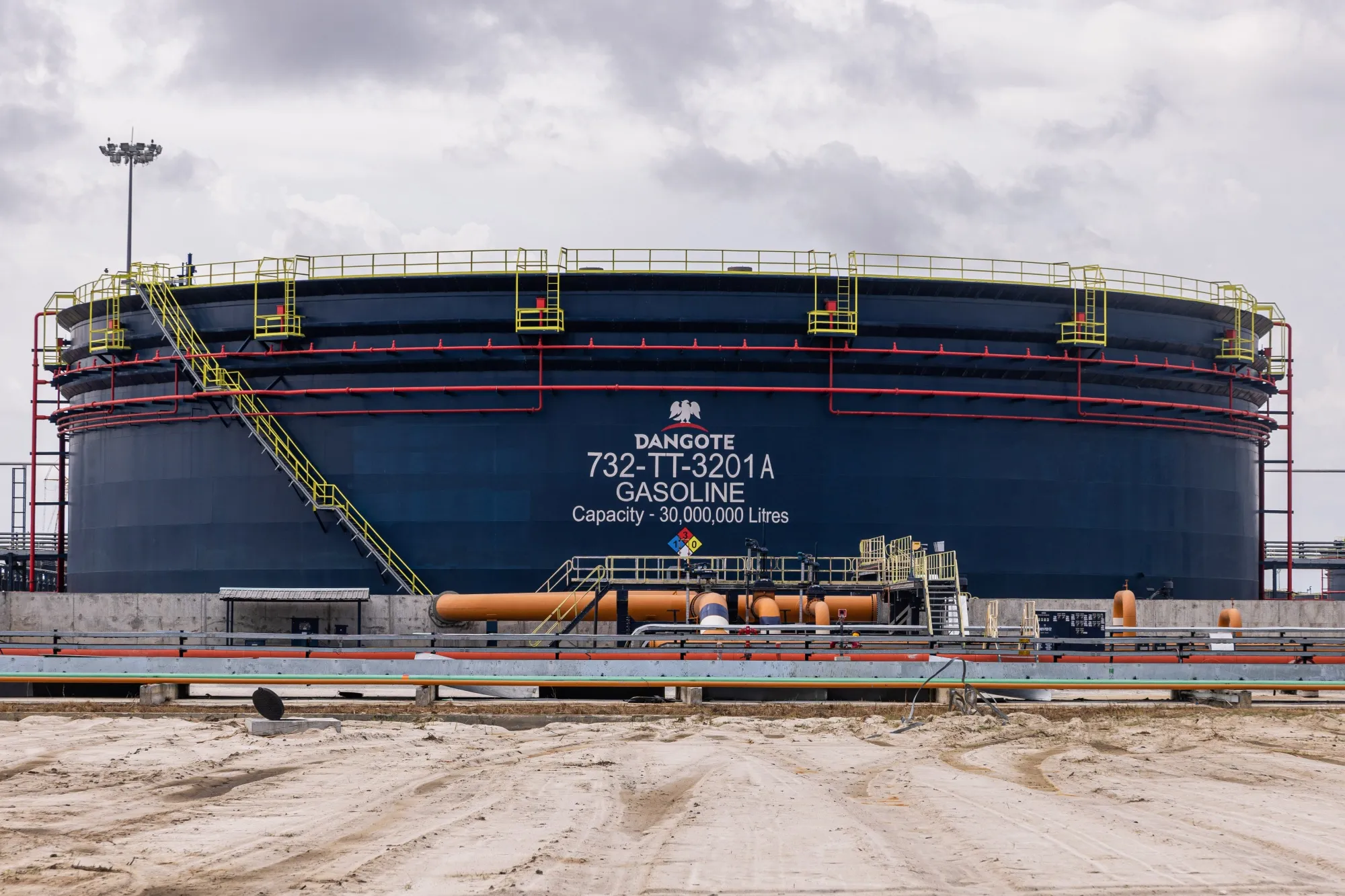
Nigeria’s Dangote refinery has issued a short term spot tender to procure crude oil for June deliveries, signalling ongoing adjustments in sourcing strategy as the facility scales its operations.
According to a Reuters report published on 1 May 2026, the refinery circulated a five day tender inviting offers for a range of crude grades sourced from West Africa, the Mediterranean, Guyana, Brazil and the United States. The tender closes on 5 May at 10:00 BST. The company has not publicly commented on the development.
The Dangote refinery, located in Lekki near Lagos, is widely recognised as Africa’s largest refining facility with a nameplate capacity of approximately 650,000 barrels per day. It reached full operational status earlier in 2026 following years of phased commissioning. Its scale positions it as a potentially transformative asset for Nigeria’s energy sector and for regional fuel markets across West, Central and Southern Africa.




However, publicly available data and company disclosures indicate that domestic crude supply has not yet aligned with the refinery’s full processing requirements. The facility requires between 13 and 15 cargoes of crude per month to operate at optimal capacity, yet it has been able to secure only around five to seven cargoes locally. This gap has necessitated a broader procurement strategy that incorporates international crude streams.
Industry analysts note that this development reflects structural dynamics within Nigeria’s oil sector rather than a short term anomaly. While Nigeria remains one of Africa’s leading crude producers, constraints including pipeline security challenges, production quotas within the Organisation of the Petroleum Exporting Countries, and long term supply contracts have historically shaped the availability of crude for domestic refining.
The decision to invite bids from multiple producing regions suggests a pragmatic approach by the Dangote refinery to ensure feedstock flexibility. Different crude grades vary in sulphur content, density and yield profile, all of which influence refining efficiency and product output. By diversifying supply sources, the refinery can optimise its operations while navigating supply constraints.
From a continental perspective, the refinery’s evolving procurement model highlights broader questions about intra African energy integration. Despite significant crude reserves across countries such as Nigeria, Angola and Algeria, the continent has historically exported crude while importing refined products. The Dangote refinery has been positioned as part of a wider effort to rebalance this dynamic by expanding refining capacity within Africa.
There are also implications for Southern African markets, many of which rely heavily on imported refined fuels. Increased output from large scale African refineries could, over time, contribute to more regionally integrated supply chains. However, this depends on logistics, pricing structures and policy coordination across the continent, including frameworks supported by the African Export Import Bank and the African Continental Free Trade Area.
The current tender therefore reflects both operational realities and a transitional phase in Africa’s energy landscape. While the Dangote refinery represents a major step towards greater self sufficiency in refined petroleum products, its reliance on imported crude underscores the complexity of aligning upstream production with downstream industrial capacity.
As the refinery continues to stabilise operations, market participants will be closely monitoring how its sourcing strategies evolve, and what this may mean for crude trade flows within and beyond Africa.