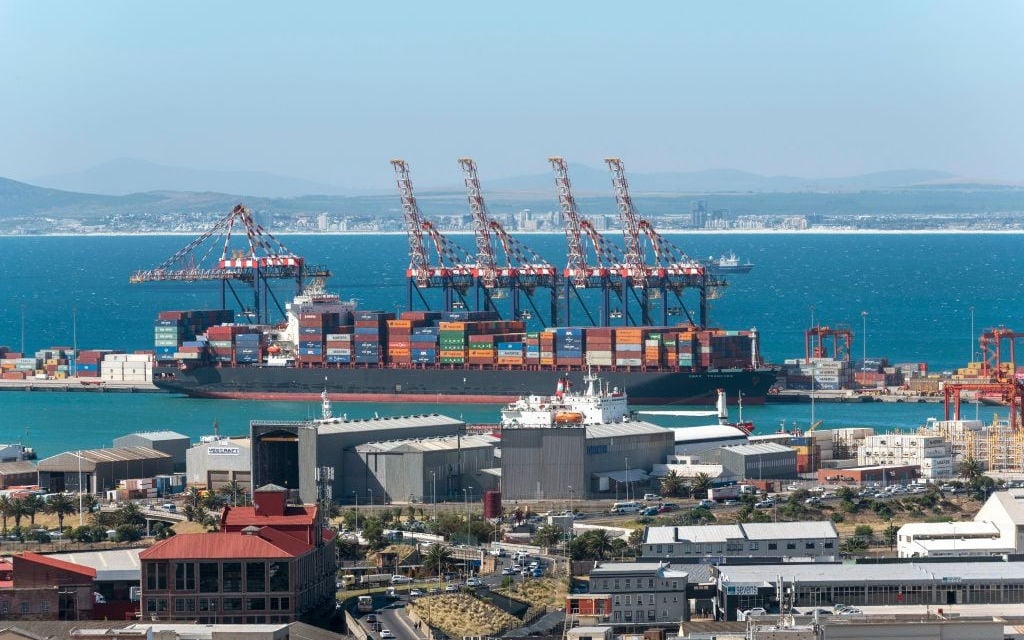
South Africa’s ports are grappling with an unprecedented crisis as congestion reaches alarming levels, causing widespread disruptions to global shipping. Reports indicate that Durban harbor, a key maritime gateway, is facing a severe backlog with thousands of containers stranded on ships, a situation mirrored at Cape Town Port. The repercussions are reverberating through international shipping conglomerates, prompting major players like Maersk to reroute their vessels.
Durban’s Dilemma: A Congestion Quagmire
Transnet, the state-owned entity overseeing the ports, disclosed that over 60 ships are currently anchored at the Port of Durban. Shockingly, it is estimated to take seven to 15 weeks to clear this maritime logjam. Among the vessels affected, 20 are destined for Durban Container Terminals (DCT) Pier 1 and Pier 2. Transnet, recognizing the gravity of the situation, is actively implementing initiatives to expedite the clearance process. However, the magnitude of the congestion poses a formidable challenge.




As of Friday, Transnet projected a seven-week timeline for Pier 1 and a 15-week timeframe, or less, for Pier 2 to overcome the backlog. The urgency to resolve this issue is underscored by the widespread impact, not only on South Africa’s maritime operations but on the global supply chain.
Cape Town’s Complications: Delays Cascade
The crisis isn’t confined to Durban alone; Cape Town Port is experiencing its own set of challenges. Delays of up to 14 days for cargo offloading from docked ships have been reported. This ripple effect is causing shipping giant Maersk to reevaluate its operations, deciding to bypass Cape Town as a port of call and opting for Mauritius instead.
Maersk clarified that starting the first week of December, updated rotations for the Far East-West Africa routes (FEW2, FEW3, and FEW6) will be implemented. Notably, a new feeder service, Cape Town Express, will be introduced, connected to the updated SAFARI service. The decision to shift operations away from Cape Town is driven by the need to mitigate delays, improve reliability, and enhance transit times in the face of the ongoing congestion crisis.
Global Implications: Navigating the Festive Season Storm
The ramifications of these port delays extend far beyond South Africa, impacting the global shipping industry. With Maersk’s strategic rerouting, the effects of the crisis are felt in various corners of the world. The decision to transship cargo in Port Louis before reaching the Cape is indicative of the intricate dance shipping companies must perform to navigate the current challenges.
As the festive season approaches, concerns arise about the potential impact on global trade, supply chain stability, and consumer goods availability. The congested South African ports threaten to disrupt the smooth flow of commodities at a time when demand traditionally peaks.
Conclusion: A Call for Collaborative Solutions
The situation at South Africa’s ports demands a coordinated response from stakeholders involved in international trade. Governments, shipping companies, and port authorities must collaborate to find swift and effective solutions to alleviate congestion and ensure the resilience of the global supply chain.
In the shadow of the South African port crisis, the international shipping community faces a critical juncture, navigating challenges that extend far beyond the shores of Durban and Cape Town.