

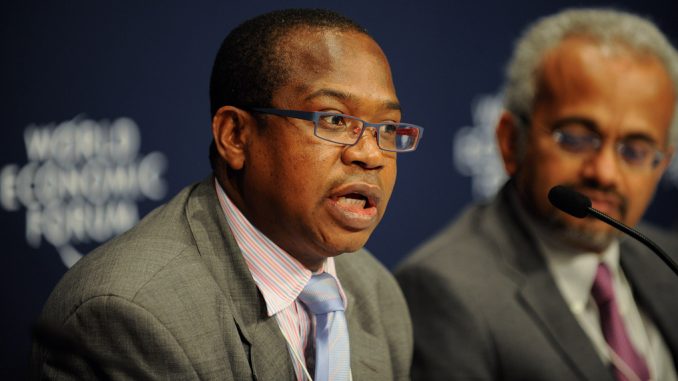
Zimbabwe is set to embark on its first-ever economic census, spanning from 2025 to 2026, aimed at generating vital economic indicators, according to statements made by the country’s Economic Development and Investment Promotion Minister, Mthuli Ncube.
Addressing a gathering at the launch of the census, Minister Ncube highlighted the significance of this comprehensive survey, to be conducted by the Zimbabwe National Statistics Agency (ZIMSTAT). The primary objective is to establish a solid foundation of baseline statistics, offering insights into the size and structure of Zimbabwe’s economy.
“The statistics are key for evidence-based policy formulation, decision-making, and strategic planning, in addition to Gross Domestic Product compilation,” emphasized Minister Ncube, underlining the multifaceted role the census is poised to play in shaping the country’s economic trajectory.



Scheduled to unfold from January 2025 until the close of 2026, the economic census will involve preparatory activities, including the meticulous mapping of business locations, set to kick off in 2024. Minister Ncube projected that preliminary results would be available by the end of the first quarter of 2027, with final results anticipated by the conclusion of the second quarter.
Beyond the national implications, Minister Ncube stressed that the statistics derived from this inaugural census would be instrumental in gauging Zimbabwe’s progress in line with regional, continental, and global initiatives. This includes the Africa Agenda 2063 and the Sustainable Development Goals, serving as a testament to Zimbabwe’s commitment to broader developmental objectives.
The economic census will not merely be confined to large enterprises but will extend its purview to encompass micro-, small-, and medium-sized enterprises. This inclusive approach reflects Zimbabwe’s dedication to capturing a holistic view of its economic landscape, recognizing the diverse contributions of businesses of varying scales.
As the international community observes this pioneering effort, several nuanced aspects come to the fore. Zimbabwe’s commitment to transparency and evidence-based governance is underscored by the decision to conduct such a comprehensive economic survey. The move aligns with global trends wherein nations are increasingly recognizing the importance of robust data for effective policymaking.
However, the success of the economic census hinges on the meticulous execution of preparatory activities, particularly the mapping of business locations. The intricacies of gathering accurate data from diverse sectors within Zimbabwe pose a formidable challenge, requiring a delicate balance between efficiency and thoroughness.

Moreover, while the census is poised to provide valuable insights into Zimbabwe’s economic landscape, questions may arise about the potential impact on businesses, especially considering the micro-, small-, and medium-sized enterprises that form the backbone of many economies. Striking the right balance between obtaining crucial data and minimizing disruptions to daily operations will be crucial for the success of this endeavor.
Zimbabwe’s commitment to aligning its economic strategies with regional and global development goals reflects a broader trend where nations are recognizing the interconnectedness of their economic destinies. By actively contributing data to initiatives like the Africa Agenda 2063 and the Sustainable Development Goals, Zimbabwe positions itself as a proactive player in the global development narrative.
Zimbabwe’s inaugural economic census marks a significant step towards evidence-based policymaking and aligning national strategies with international development goals. The success of this endeavor will not only depend on the accuracy of the data collected but also on the ability to navigate the challenges associated with such a comprehensive survey. As the world watches, Zimbabwe stands at the forefront of utilizing data for informed decision-making, setting a precedent for other nations to follow suit in the pursuit of sustainable and inclusive economic development.


