By late January, the devastating impact COVID-19 would have on China was clear, this prompted Beijing to take drastic measures to contain the spread of the virus. Wuhan, the city in China’s Hubei province where the virus emerged back in December was placed under effective quarantine on January 23, factories and businesses were closed, as air and rail departures were also suspended.
As the death toll climbed, more and more cities in the Hubei province were put on quarantine. On January 30th, the World Health Organization (WHO) declared a global health emergency over a new coronavirus which causes an illness officially known as COVID-19.
Unlike China and neighboring countries like Japan and Thailand, African countries had enough time to prepare. On February 14th, Egypt became the 25th country to report a confirmed case of the COVID-19, marking a 45-day difference from when China alerted the WHO and when the virus reached Africa. Considering China-Africa relations, 45 days seemed a long interval.



However, Hannah Ryder and Leah Lynch of Development Reimagined argue that the interval is unsurprising as Africa gets approximately 5% of global tourism flows and an even smaller 4% of China’s tourists.
How the COVID-19 Outbreak is Impacting Africa
The impact of COVID-19 was felt long before its arrival on the continent because African economies that are driven by the sale of raw materials were particularly vulnerable to the slowdown of manufacturing activities in China. This slowdown sent oil and metal prices tumbling; risks to raw material demand are also worsening due to fears of the epidemic morphing into a pandemic.
“We envisage a slowdown in the global economy to under two percent for this year, and that will probably cost in the order of $1 trillion, compared with what people were forecasting back in September,” said Richard Kozul-Wright, Director, Division on Globalization and Development Strategies at UNCTAD.
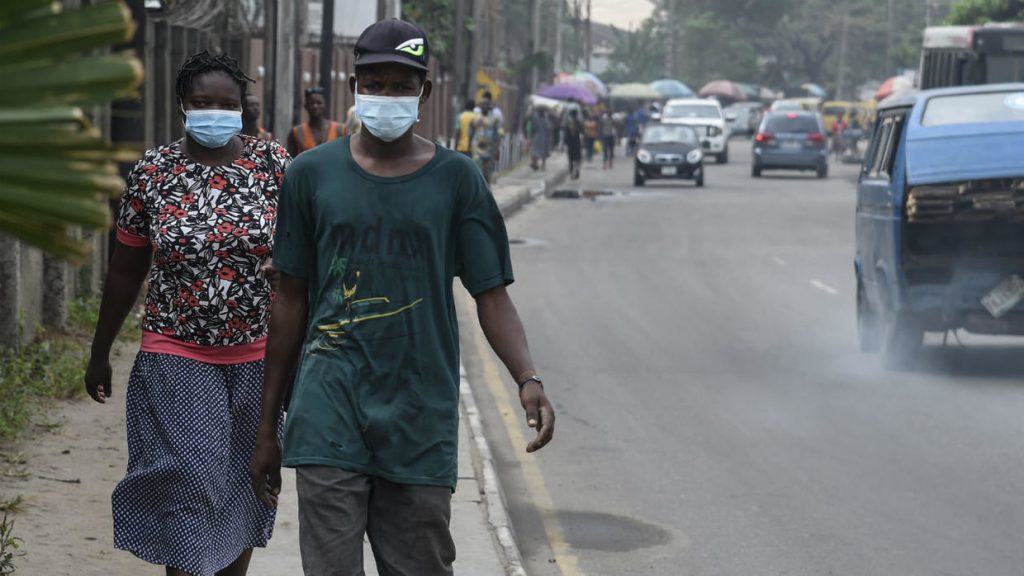
Nigeria is burning through its forex reserves to maintain liquidity. The Punch reported that oil traders are struggling to find buyers for 55 Nigerian crude oil cargoes as the spread of the coronavirus has dampened demand from China and European refiners. Other oil-exporting countries like Angola, Chad and Gabon are reportedly struggling to find buyers for their oil.
Although perceptions of Chinese demand has fed into global politics, it is necessary to emphasise that China is not a significant buyer of Nigeria’s crude. So decreased Chinese demand is not the root cause of delayed crude cargoes in Nigeria.
Crude is usually sold months in advance of actual loading, so it is too early to blame COVID19 for Nigeria’s current predicament. Besides, crude waiting months for offtake has been happening prior to the COVID-19 outbreak. Nonetheless, the main buyers of Nigeria’s crude, India, the Netherlands and Europe are cutting down demand due to the global economic downturn caused by the COVID19.
The dramatic outcome of the recent OPEC+ talks between the Saudi Arabia-led Organization of Petroleum Exporting Countries (OPEC) and Russia made an already dire global economic situation worse.

OPEC pressed Russia for weeks to agree to a dramatic cut in oil production to offset dented demand as coronavirus slows business activity in China and across major manufacturing countries. Russia declined to cut production, and some analysts say it is because previous OPEC cuts to production caused OPEC+ countries to lose market share to US Shale oil producers.
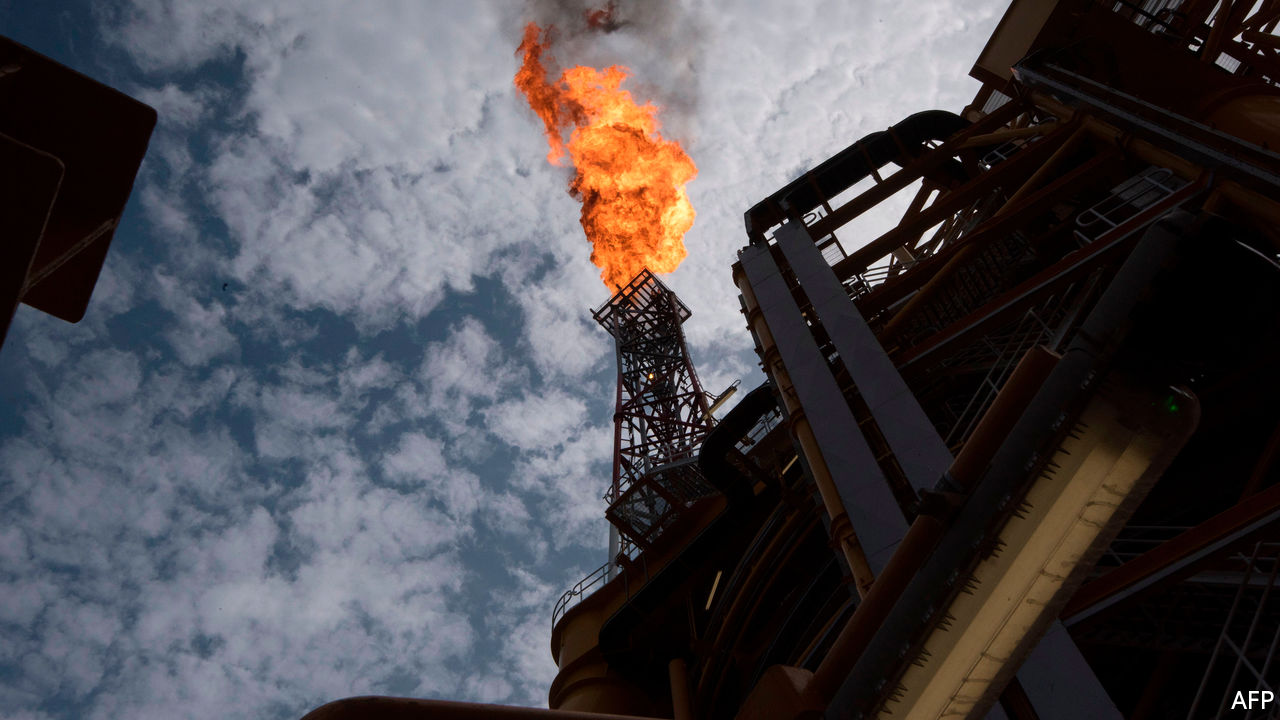
This disagreement has led OPEC to remove all limits on the cartel’s crude production – a course of action that flooded an already oversupplied global oil market at a time when demand is falling.
This caused the price of Brent crude to drop 30 percent on Monday, the biggest drop in oil prices since the Gulf War in 1991. So even if we start seeing higher demand from China, prices may not go up.
Oil is currently trading at about $37 per barrel which is terrible news for countries highly dependent on oil revenues. Oil accounts for around 75 percent of Angola’s government revenue and 90 percent of export earnings. Regardless of the volatilities of oil prices, the Angolan Finance minister, Vera Daves, declared on Thursday in Luanda that it is still “premature to point out any scenario of budget review”.
But for Nigeria, the story is different. $57 per barrel is the benchmark for Nigeria’s 2020 budget is, as a result, the Nigerian Finance Minister Zainab Ahmed said state spending would have to be curbed. “There will be reduced revenue on the budget and it will mean cutting the size of the budget,”
 Ovigwe Eguegu is a Nigerian analyst and writer specialising in international affairs. He is currently Foreign Relations Editor at The Southern African Times where he writes on geopolitics, diplomacy, and security Africa; while paying close attention to the Africa policy of global actors such as China, the European Union, United States of America, the United Kingdom, and Russia. Ovigwe has appeared on Al Jazeera English and Arise TV on several occasions to discuss international security and African affairs.