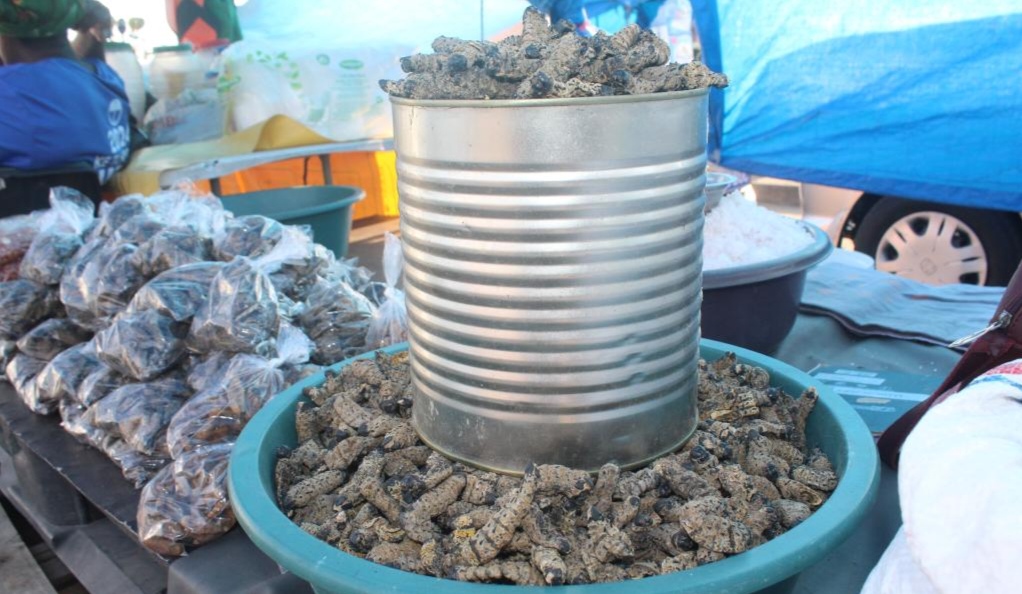
Botswana’s five-pula coin prominently features the mophane worm, a testament to its cultural and economic significance. This nutritious delicacy, deeply embedded in southern African cuisine, has long sustained rural communities. However, recent climatic shifts have precipitated a marked decline in mophane worm populations, threatening both biodiversity and livelihoods. The repercussions extend beyond local harvesters, affecting markets and vendors reliant on this seasonal trade, a key component of Botswana’s agricultural economy as recognised by Botswana Tourism.
The mophane worm, the larval stage of the emperor moth (Imbrasia belina), is indigenous to the warmer regions of southern Africa, primarily subsisting on the foliage of the mophane tree (Colophospermum mopane). The Botswana government has long acknowledged its role in food security, particularly in rural communities where it serves as a vital protein source. However, the prolonged dry spells witnessed in 2024 have significantly reduced harvests.
Peggy Kenosi, a 55-year-old harvester from Tonota, a rural locality near Francistown, has felt the impact firsthand. The harvesting season, once marked by abundance, has yielded diminishing returns due to erratic rainfall and soaring temperatures. In the final quarter of 2024, Botswana faced a severe drought, with temperatures soaring between 36 and 46 degrees Celsius—conditions inimical to the survival of the worms, as noted by Climate Data Botswana.




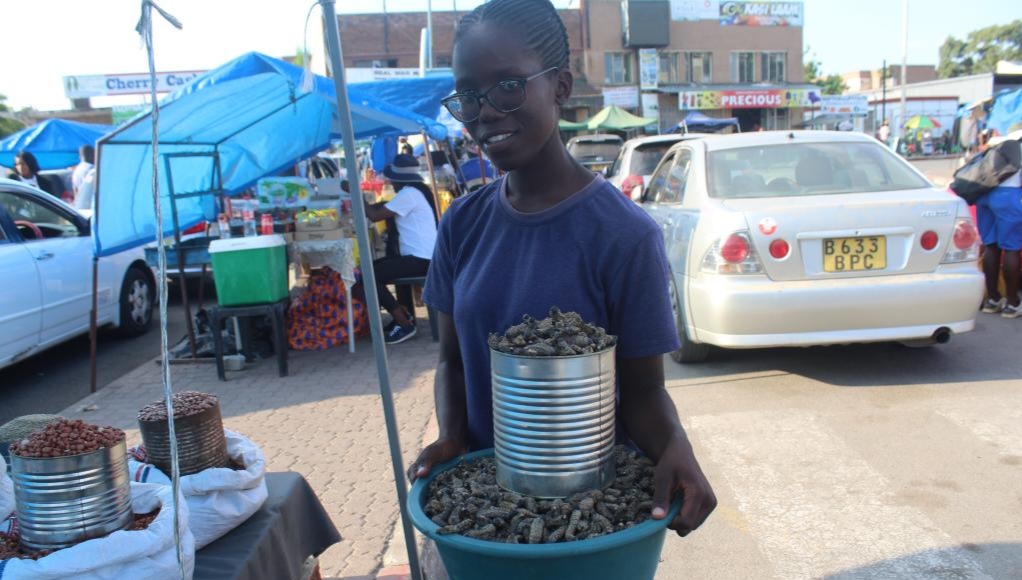
Despite these harsh conditions, Kenosi travelled over 200 kilometres to reach the mophane woodlands, determined to salvage what she could. “If it was not for the drought, I could have harvested tons and tons of mophane worms,” she lamented. This season, however, her efforts yielded only ten 50-kilogram bags—a stark contrast to previous years when she would have filled multiple truckloads.
The harvesting process, which involves collecting, cooking, and drying the worms, typically spans three weeks to a month. Kenosi invested 2,500 pula (183 U.S. dollars) in the expedition, hoping for a substantial return. With each 50-kilogram bag retailing for about 3,044 pula (220 dollars), she anticipates generating 30,030 pula (2,200 dollars)—a sum significantly higher than the monthly earnings of a typical farm labourer, as indicated by the Botswana Statistics Agency.
Similarly, Oduetse Morekisi, a 47-year-old harvester, has struggled to meet expectations. Her three 50-kilogram bags fall far short of the quantities she hoped to amass this season. “It feels like a waste of my time,” she expressed. “I thought I would raise enough to fend for my children the whole of 2024, but the three bags will only yield about 9,009 pula.”
The scarcity of mophane worms has also affected vendors. Ntombizodwa Nleya, a trader in Francistown, has found herself without stock for the first time in years. She now sells groundnuts and maize at the city’s bus terminal, a sharp departure from the once-thriving mophane worm trade. This decline is mirrored in market trends observed by the Food and Agriculture Organization, which has been closely monitoring the impact of climate change on traditional food sources (FAO).
The Botswana Meteorological Services has linked this phenomenon to rising temperatures and erratic rainfall patterns. Radithupa Radithupa, chief climatologist at the Department of Meteorological Services, noted that “climate change is playing a big role in the declining mophane worms because most die at larvae stage due to high to extremely high temperatures.” His insights align with findings by the Botswana Meteorological Services, which has reported unprecedented shifts in regional climate conditions.
Beyond climate change, over-harvesting has compounded the problem. Once a subsistence activity, the practice has now evolved into a commercial enterprise, with demand soaring both locally and internationally. Ephias Mugari, a senior lecturer at the Botswana University of Agriculture and Natural Resources, highlights how increased market pressures have driven unsustainable harvesting practices, leaving little room for the species to regenerate naturally. The Botswana Agricultural Research Institute has echoed similar concerns, calling for greater conservation efforts.
In response, Botswana has imposed regulations since 2013, requiring harvesters to obtain permits before collecting mophane worms. However, local harvesters insist that more stringent measures are needed. “Efforts to protect the mophane worms should be intensified,” urged Morekisi. “The mophane worm is our country’s icon when it comes to nutritious foods in Botswana.”
The decline of the mophane worm population is not merely an ecological crisis; it threatens the socio-economic fabric of communities that rely on this resource. Addressing the issue requires a multifaceted approach, encompassing climate change mitigation, sustainable harvesting practices, and comprehensive policy interventions. Institutions such as the United Nations Environment Programme have advocated for greater biodiversity protection, emphasising the need for global cooperation in tackling the climate crisis.
Unless decisive action is taken, the mophane worm—once a symbol of resilience and nourishment in Botswana—could become yet another casualty of a rapidly changing environment.