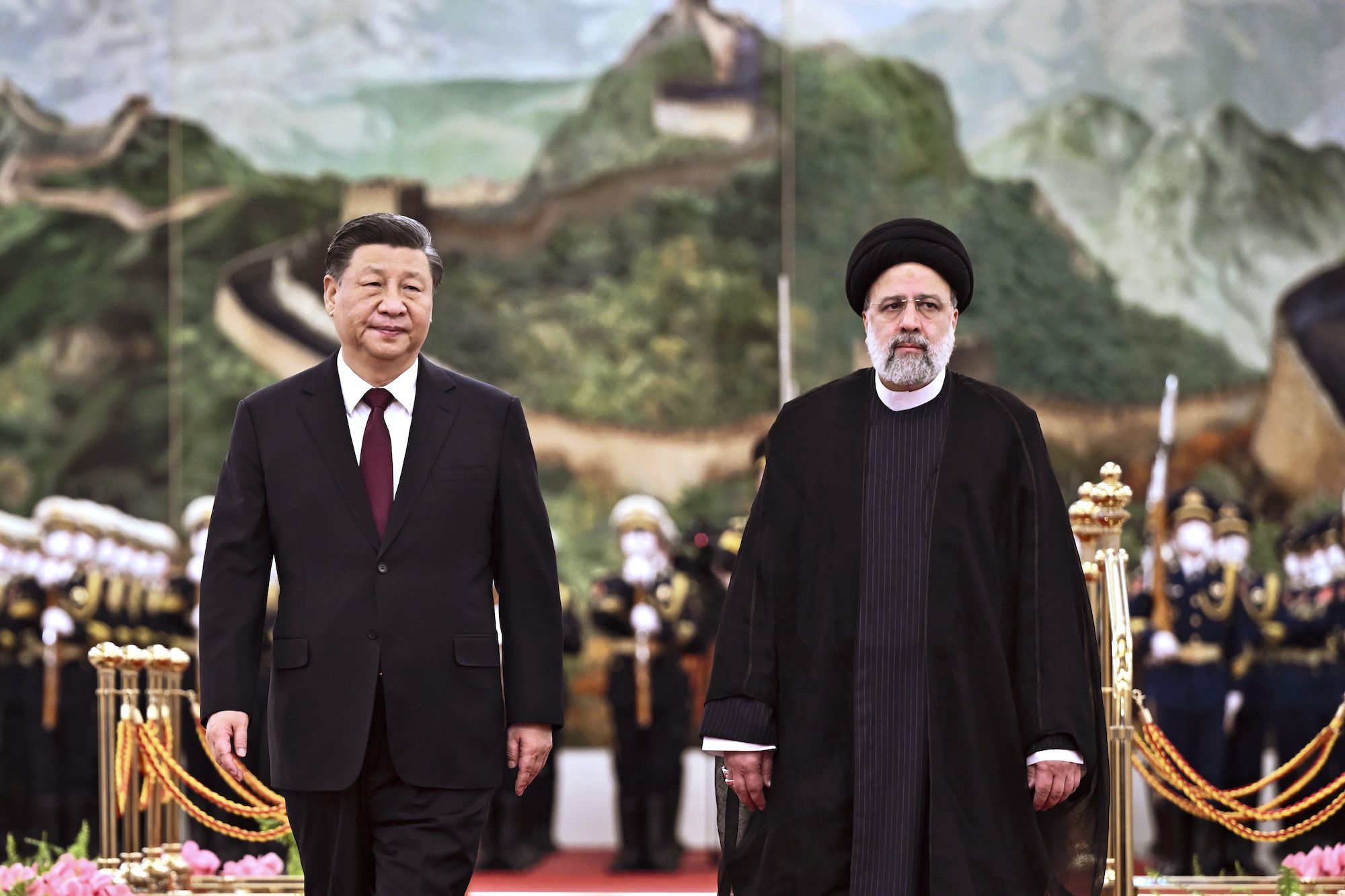
China’s purported leverage over Iran, often highlighted on paper, faces significant challenges in practice. While China boasts substantial economic investments and trade relations with Iran, alongside providing security and surveillance equipment and being a primary purchaser of Iranian oil, its ability to influence Tehran’s behavior remains constrained.
Attempting to weaponize these trade relations risks undermining China’s broader regional economic strategy. Moreover, relations between the two countries have been strained by China’s chronic underinvestment in Iran. Previous efforts by China to urge Iran to temper its support for groups like the Houthis have yielded minimal results, demonstrating the limitations of Chinese influence.
Even in instances of conflict, such as when Iran and Pakistan clashed in January, China’s response was notably subdued. China prefers a diplomatic approach and has shown reluctance to overextend itself, unlike the United States.



China’s stance on regional tensions is consistent: while genuinely concerned about escalation, it places the responsibility for resolving conflicts like the recent episode on the United States. Beijing sees the root cause as Israel’s actions in Gaza and calls for American intervention to bring about a negotiated settlement, including a two-state solution.

While the US urges China to leverage its influence with Iran, Beijing calls on influential countries, particularly the US, to play a constructive role in reducing tensions it views as stemming from Gaza.
This stance reflects China’s concern about escalation and its recognition of the limited influence it holds over Iran. This pragmatic approach underscores the complexities of China’s relationship with Iran and its cautious diplomacy in the region.
However, these geopolitical tensions are likely to affect future Chinese investment and economic relations with Iran, already weakened by sanctions. China has advised caution to its companies and travelers in Iran, despite its promotion of tourism to the country. While this may temporarily limit the growth of ties between the two nations, their political relationship is expected to endure.
As observers await further developments, it’s clear that China’s influence over Iran may be more symbolic than substantive, with Beijing navigating carefully to protect its strategic interests while avoiding overcommitment in regional conflicts.