

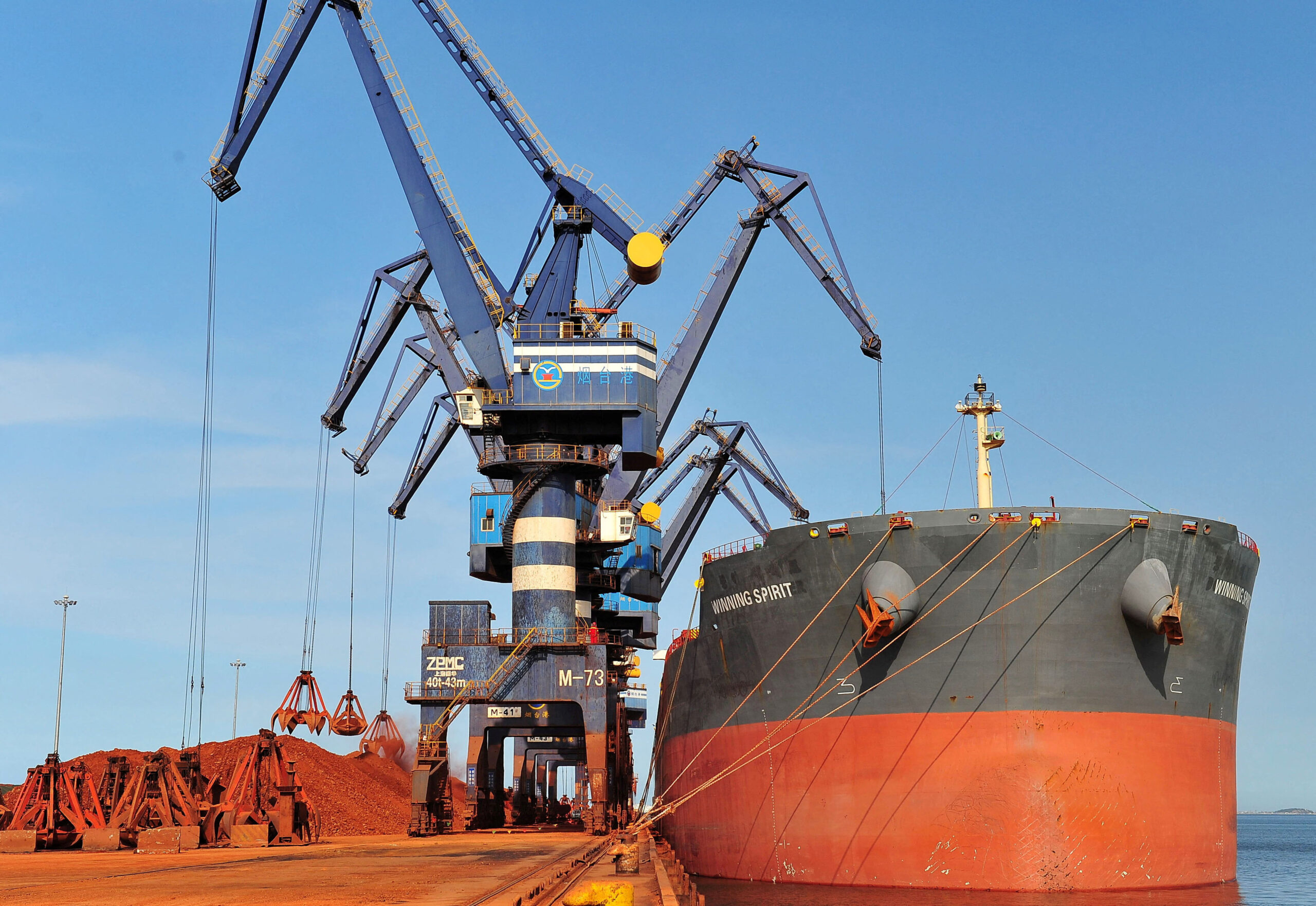
Axis International Ltd, a company based in the United Arab Emirates, has initiated a $28.9 billion claim against the Republic of Guinea before the World Bank’s International Centre for Settlement of Investment Disputes (ICSID) after its mining permit for a bauxite concession in the Boffa region was revoked earlier this year.
Guinea, which possesses the world’s largest reserves of bauxite—the primary ore used in aluminium production—has embarked on a sweeping policy to reinforce state authority over the mining sector. The government led by Colonel Mamady Doumbouya has sought to secure greater fiscal returns and promote domestic value addition by reallocating permits and demanding enhanced local processing. These measures, while framed as efforts to protect national interests and ensure equitable benefit-sharing, have prompted a growing number of international arbitration challenges.
In recent months, Nomad Bauxite Corporation and Nimba Investment LLC have each filed separate claims against Guinea, reflecting wider unease among foreign investors regarding the country’s evolving mining governance framework.



According to Axis International’s statement, its local subsidiary, Axis Minerals Resources SA, which is 85 per cent owned by the company, had been operating a large-scale bauxite mine in Boffa for more than a decade. The company maintains that the mine was fully operational, contributing significantly to local employment and the Guinean economy, contrary to government claims that the site was idle or underutilised.
Axis International reported that the mine produced 18 million metric tonnes of bauxite in 2024, positioning it as the nation’s second-largest producer. It further stated that the government’s decision in May to terminate the permit—along with several others—had caused considerable economic and social disruption, affecting thousands of workers and dependents in the surrounding communities.

In its filing, the company asserts that Guinea’s termination of the mining licence violated established investment protections and seeks damages of at least $28.9 billion, citing proven reserves exceeding 800 million metric tonnes. The company warned that Guinea’s refusal to engage in arbitration or provide compensation could jeopardise its access to international financial markets and multilateral donor support.
Guinea’s authorities have yet to issue an official response to the case. The government has, however, repeatedly defended its policy direction as part of a broader national strategy aimed at asserting economic sovereignty and correcting long-standing asymmetries in the extractive sector. The Doumbouya administration has argued that past mining arrangements too often prioritised foreign profits over domestic development, resulting in limited benefits for Guineans despite the country’s vast natural wealth.
The dispute thus encapsulates a wider continental tension: the delicate balance between resource nationalism and investor confidence. Across Africa, governments have increasingly sought to reclaim greater control of natural resources, aiming to strengthen fiscal resilience and ensure that extractive industries foster tangible social and economic transformation.
For Guinea, the case will test the boundaries of this policy shift and its implications for future foreign investment. For international observers, it represents a microcosm of Africa’s ongoing negotiation between asserting sovereignty and sustaining global partnerships.
As the arbitration proceeds at the World Bank tribunal, its outcome will likely reverberate beyond Guinea’s borders, influencing the discourse around extractive governance and investment justice across the continent.


