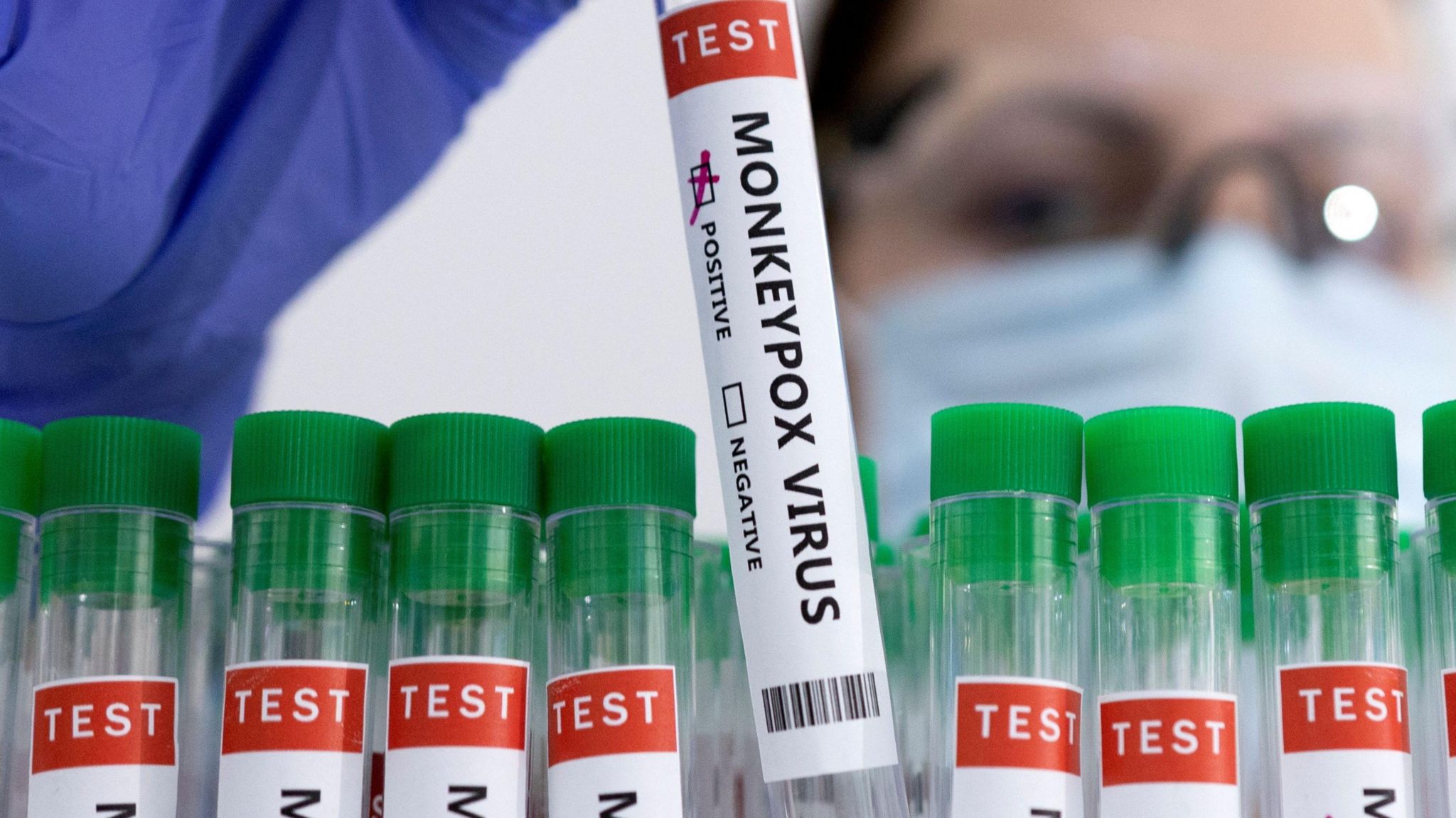
Authorities in the Democratic Republic of Congo have responded to a significant rise in mpox cases and the emergence of a more virulent strain by approving the use of two new vaccines.
Since the beginning of last year, Congo has reported over 20,000 cases of mpox, resulting in more than 1,000 deaths, primarily affecting children. Mpox, a viral infection transmitted through close contact, presents flu-like symptoms and can lead to pus-filled lesions, with severe cases proving fatal.
The World Health Organization (WHO) and scientists recently highlighted a new, more dangerous strain spreading in Congo’s South Kivu province. In response, regulatory authorities have granted emergency use authorisation for two vaccines: Jynneos, developed by Bavarian Nordic, and LC16, produced by KM Biologics. This decision follows rigorous evaluation by relevant authorities and stakeholders involved in the authorisation process.




Congo, one of the world’s poorest countries, first reported a human case of mpox in 1970 but has historically lacked widespread access to vaccines or treatments for the disease, except through limited clinical trials. The recent approval of these vaccines represents a significant step forward in addressing the public health crisis posed by the mpox outbreak.
As the country grapples with this surge, the deployment of these vaccines is expected to be a crucial measure in curbing the spread of the virus and reducing the mortality rate associated with the new strain. The international community and health organisations continue to monitor the situation closely, offering support and resources to aid Congo in its fight against mpox.