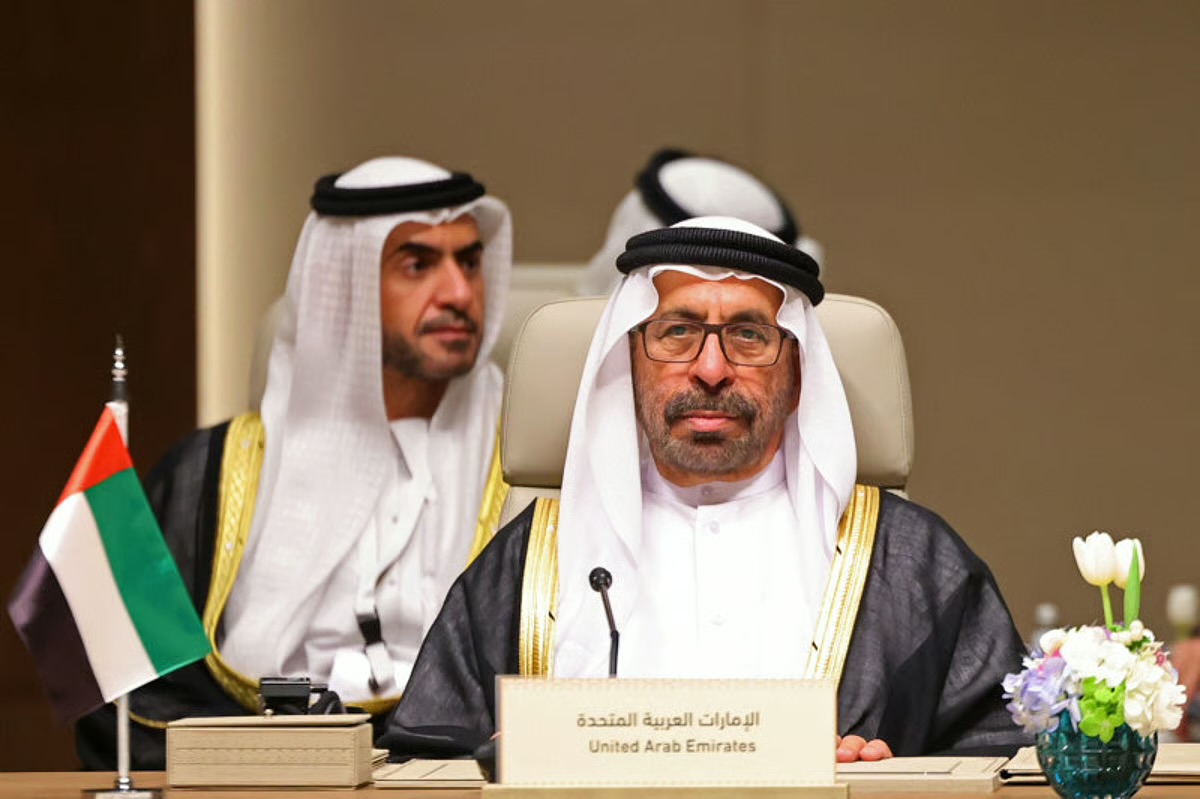
The Secretary General of the League of Arab States, Ahmed Aboul Gheit, has condemned a series of missile and drone strikes attributed to Iran targeting energy infrastructure in the Gulf, warning that the developments risk deepening instability across an already volatile region.
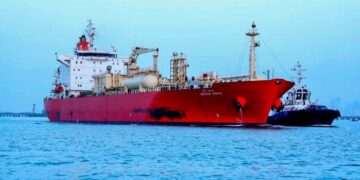
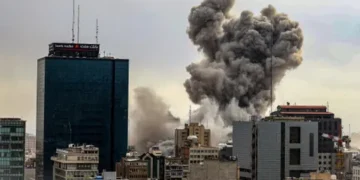
In a statement issued from Cairo, Aboul Gheit described the reported strikes on Qatar’s Ras Laffan Industrial City as a breach of international law and a violation of principles governing relations between neighbouring states. According to Xinhua, the attack caused fires and significant damage at the facility, which is central to Qatar’s liquefied natural gas production and export capacity.
Qatari authorities confirmed that emergency services were deployed to contain fires at Ras Laffan, located approximately 80 kilometres north of Doha. Independent reporting by Al Jazeera similarly noted that the site sustained material damage, underscoring the vulnerability of critical energy infrastructure in the Gulf.




The Arab League statement also referenced missile activity targeting Saudi Arabia and the United Arab Emirates. Saudi officials reported that air defence systems intercepted multiple ballistic missiles directed towards Riyadh. These incidents form part of a broader pattern of escalation that has unfolded over recent weeks.
Regional dynamics appear to be shaped by a sequence of retaliatory actions. Reports from PBS and other international outlets indicate that Iranian strikes followed earlier attacks on Iranian energy assets, attributed to Israel, within the context of heightened tensions involving the United States and its regional partners. Iranian officials had previously signalled that infrastructure linked to what they describe as a network of allied military and economic interests could become targets in the event of further escalation.
Aboul Gheit characterised the targeting of oil and gas installations as a dangerous development with potentially far reaching consequences for regional security and global energy markets. He expressed solidarity with Gulf states and affirmed their right to respond within the framework of international law.
At the same time, the League’s position has drawn attention for its selective framing of responsibility. While the statement strongly criticised Iranian actions, it did not explicitly address the preceding strikes on Iranian territory that appear to have contributed to the current cycle of retaliation. This omission reflects a broader pattern in regional diplomacy, where responses to escalation often mirror existing political alignments.
For African observers, the situation carries implications that extend beyond the Middle East. Gulf energy corridors remain integral to global supply chains that affect fuel pricing, food systems and industrial production across African economies. Disruptions in liquefied natural gas exports from facilities such as Ras Laffan may have downstream effects on energy access and economic stability in parts of the continent.
Moreover, the unfolding crisis highlights the continued interconnectedness of geopolitical tensions and resource governance. African states, many of which are navigating their own energy transitions and infrastructure development challenges, are likely to monitor these developments closely, particularly as they relate to sovereignty, external intervention and the protection of strategic assets.
As tensions persist, the emphasis from multiple quarters remains on preventing further escalation. However, the absence of a unified and consistently applied framework for accountability continues to complicate prospects for de escalation, reinforcing the need for more inclusive and balanced diplomatic engagement.