

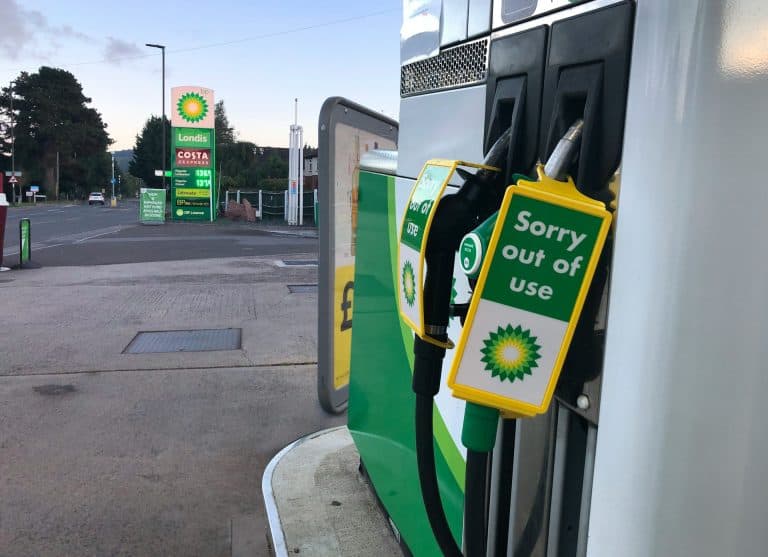
South Africa has sought to reassure the public that its fuel supply remains stable in the short term, even as heightened geopolitical tensions in the Middle East continue to unsettle global energy markets.
In a statement issued on 19 March, the Department of Mineral and Petroleum Resources indicated that sufficient fuel stocks are currently available across the country. The department noted that consignments secured for March and early April had been arranged prior to the recent escalation in global uncertainty, and that deliveries are already under way to sustain national demand.
The assurance comes against the backdrop of South Africa’s structural position as a net importer of both crude oil and refined petroleum products. This reliance on international markets exposes the country to fluctuations in global oil prices and currency movements. As the department acknowledged, sustained increases in international benchmark prices, combined with volatility in the rand, are likely to place upward pressure on domestic fuel costs in the coming months.



Authorities stated that they are actively coordinating with industry stakeholders to diversify supply sources and mitigate potential disruptions. This includes securing additional volumes of crude oil and refined fuels from a broader range of trading partners. According to the department, this approach forms part of a wider risk management strategy designed to enhance resilience in an increasingly uncertain global energy environment.
South Africa’s energy landscape reflects wider continental dynamics, where many African economies remain dependent on imported refined products despite possessing significant hydrocarbon resources. Efforts to expand refining capacity and strengthen regional supply chains have been ongoing across the continent, including initiatives linked to the African Continental Free Trade Area, which aims to deepen intra African trade and industrial cooperation.
At the same time, market volatility linked to geopolitical developments in major oil producing regions continues to reverberate across African economies. Analysts have noted that supply disruptions or price shocks in global markets can have disproportionate effects on import dependent countries, shaping inflation trajectories and fiscal planning.
The department’s statement underscores the importance of both immediate supply management and longer term structural reforms. While current deliveries are expected to stabilise supply in the near term, the broader challenge of reducing vulnerability to external shocks remains a central policy concern.

Further information on South Africa’s energy policy framework can be accessed through the Department of Mineral and Petroleum Resources, which outlines ongoing strategies to balance energy security, affordability and sustainability.
For now, officials have emphasised that there is no immediate cause for concern regarding fuel availability, even as global conditions remain fluid and closely monitored.


