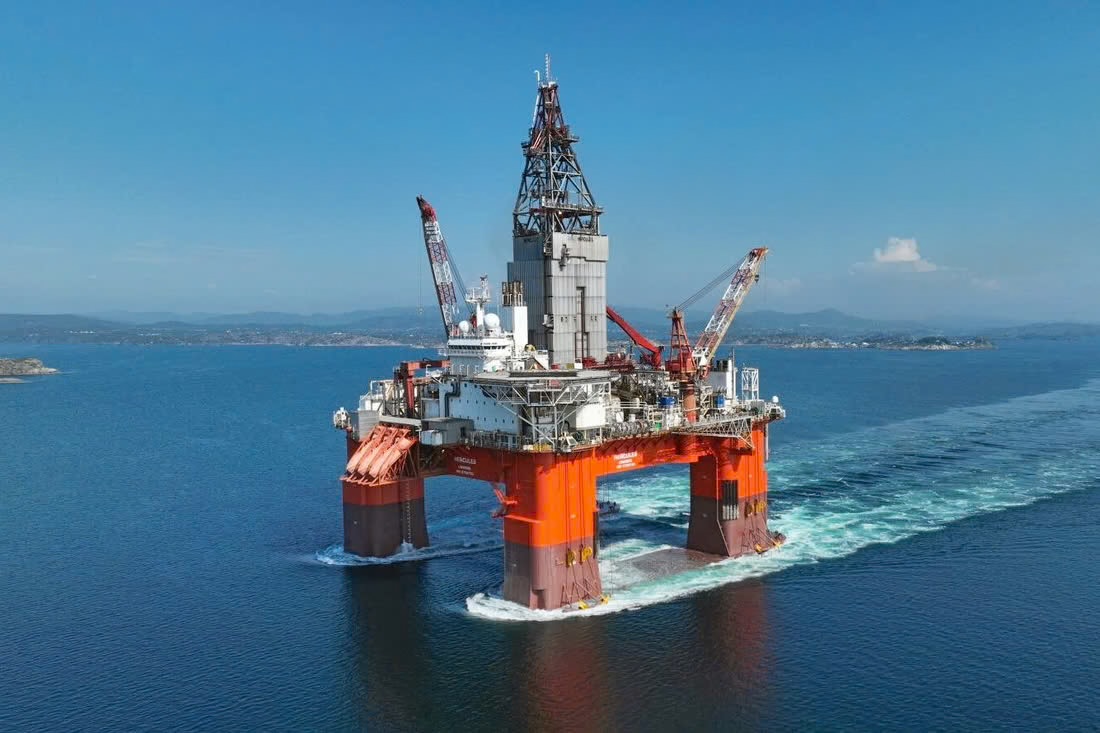
Angola has commenced gas production from the Quiluma field, marking a significant development in the country’s evolving energy landscape and signalling a broader strategic shift towards non associated gas resources. The project forms part of the New Gas Consortium, the country’s first initiative dedicated exclusively to non associated gas, and is operated by Azule Energy, a joint venture between BP and Eni.
The development, confirmed in recent reporting by Reuters, brings together a consortium that includes Sonangol, TotalEnergies and the Cabinda Gulf Oil Company. This configuration reflects a blend of national stewardship and international investment that continues to shape Angola’s hydrocarbons sector.
Initial production at Quiluma is expected to reach approximately 150 million standard cubic feet per day, with projections indicating an increase to around 330 million standard cubic feet per day by the end of 2026. These figures position the project as a notable contributor to Angola’s gas output, which has historically been dominated by associated gas linked to oil extraction. According to the US Energy Information Administration, a significant proportion of Angola’s gas has traditionally been reinjected or flared, highlighting the structural importance of dedicated gas developments.



The New Gas Consortium is aligned with efforts to stabilise and expand feedstock supply to the Angola LNG facility in Soyo, a critical node in the country’s export infrastructure. By advancing non associated gas production, Angola aims to improve supply reliability, reduce flaring and reinforce its role within global liquefied natural gas markets. This direction is consistent with broader continental priorities that position gas as a transitional resource capable of supporting industrialisation and energy access.
The Quiluma project also reflects a gradual recalibration in Angola’s energy policy. While oil continues to underpin fiscal revenues, there has been increasing emphasis on diversification within the hydrocarbons sector, supported by regulatory adjustments designed to attract investment into gas exploration and infrastructure. The participation of Sonangol alongside multinational operators illustrates an approach that seeks to balance national interests with external technical expertise.

This shift unfolds within a wider global context marked by evolving energy security concerns. Recent geopolitical tensions affecting strategic shipping routes, including renewed calls by the United States administration to ensure safe passage through the Strait of Hormuz, have underscored the importance of diversified supply chains. For African producers such as Angola, these developments present both opportunity and complexity as global demand patterns continue to shift.
From a regional standpoint, Angola’s move towards non associated gas resonates with developments across southern Africa, where several countries are exploring gas as part of a broader and more adaptable energy mix. The Quiluma project therefore carries implications beyond national boundaries, contributing to ongoing discussions around energy sovereignty, regional integration and equitable resource governance.
BP has indicated that Quiluma forms part of a wider portfolio of projects, with plans to deliver multiple major start ups globally by 2027. Within Angola, however, the emphasis on gas reflects a measured effort to balance economic priorities with changing global energy expectations, while positioning African producers as active participants in shaping future energy systems.