For decades, Africa’s health systems have been shaped, at times strengthened and at times constrained, by donor funding. External partners have played a critical role in expanding access to HIV treatment, reducing malaria deaths and improving child survival. Yet as the continent’s population surges and its disease burden evolves, a harder truth is emerging: donor-led models are not built to sustain the health needs of 1.4bn people.
A transition is overdue. Africa must move decisively towards a new model anchored in domestic investment, innovative financing and the strategic mobilisation of its global diaspora.
A promise unfulfilled
In 2001, African leaders made a landmark commitment in the Abuja Declaration to allocate at least 15 per cent of national budgets to health. It was a recognition that the wellbeing of citizens cannot be outsourced.



More than two decades on, that pledge remains largely unmet. Only a handful of countries have consistently reached the target. Health systems across the continent remain underfunded, overstretched and highly exposed to shocks, from pandemics to fiscal crises, just as external assistance begins to plateau or decline.
Africa can no longer afford to defer reform until the next emergency exposes these vulnerabilities. Sustainable, domestically anchored financing is no longer aspirational; it is essential.
Progress at risk
The continent has made notable gains towards Sustainable Development Goal 3. HIV infections have declined, child mortality has fallen and immunisation coverage has improved. These achievements demonstrate what coordinated political will and financing can deliver.
But momentum is fragile. Africa remains off track to achieve universal health coverage by 2030. Rapid population growth continues to outpace infrastructure. Workforce shortages persist. Out-of-pocket spending remains high, pushing millions into poverty. Facilities are ageing, diagnostic capacity is limited and donor support for key programmes is becoming less certain.

Without a shift in financing and system design, these pressures will deepen inequality and stall progress.
From programmes to systems
The World Health Organization has long argued that durable health outcomes depend on strong systems rather than fragmented interventions. The priorities are clear: strengthen primary care, invest in the health workforce, expand financial protection, address social determinants of health and improve governance.
What is less clear, and more urgent, is how these priorities will be financed.
Africa’s overlooked advantage
One answer lies in an underutilised asset: Africa’s diaspora.
African professionals abroad are leaders in medicine, finance, technology and innovation. Collectively, they remit more than $50bn annually, exceeding foreign direct investment in many countries. Yet these flows are overwhelmingly directed towards short-term household needs rather than long-term system building.
This represents a missed opportunity.
With the right structures, diaspora capital could be channelled into health insurance schemes, hospital infrastructure, digital platforms, workforce development and medical technology. Such investment would not be philanthropic; it would be strategic, aligning financial returns with national development.
Properly mobilised, diaspora financing could expand coverage, modernise facilities, strengthen specialist care and accelerate innovation across health systems.
A new financing compact
The path forward lies in a blended model: government-led, private-sector enabled and diaspora-powered.
Governments must provide policy direction, regulatory clarity and accountability. The private sector can expand capacity and efficiency. Financial institutions can structure viable investment vehicles. Technology innovators can transform service delivery. Diaspora communities can supply capital, expertise and global networks.
Together, these actors can shift Africa from fragmented, donor-dependent programmes to resilient, locally owned health ecosystems.

A moment for leadership
Africa does not lack resources. It lacks alignment.
The continent has the talent, capital and global reach to transform its health systems. What is required now is political courage: to prioritise health in national budgets, to embrace new financing mechanisms and to build partnerships that reflect Africa’s long-term interests rather than short-term gaps.
The choice is stark. Future generations will either inherit systems that are self-reliant and resilient, or ones that remain exposed to every external shock.
Africa’s health future cannot be outsourced. It must be built, financed and led from within.
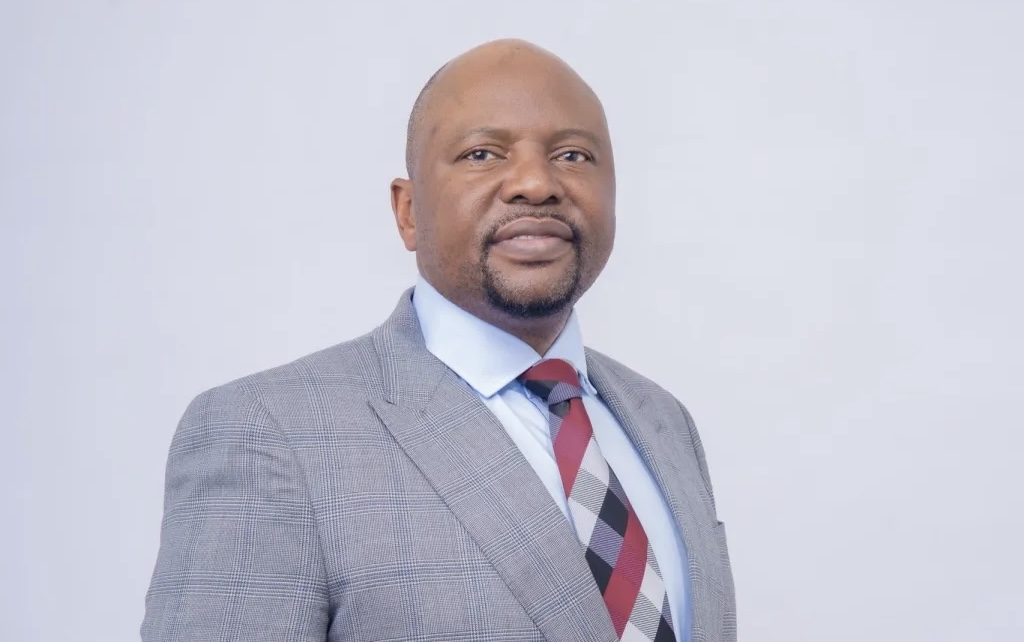
Written by Marshall Gore a Board Chairman, Diaspora Meds; healthcare strategist and advocate for sustainable African health financing The views expressed are those of the author and do not necessarily reflect those of the Southern African Times.