Dining out has become an increasingly integral part of urban life across African nations, serving as a reflection not only of lifestyle preferences but also of wider economic, social, and cultural dynamics. In 2025, the relative cost of meals in restaurants and bars continued to rise across many parts of the continent, pointing to broader shifts in inflation, tourism, purchasing power, and the growth of the service economy.
According to Numbeo’s 2025 Restaurant Price Index, a comparative metric where New York City represents the baseline value of 100, several African countries have witnessed notable increases in restaurant prices over the past year. The index reflects the average cost of dining out across a country and offers a comparative lens on affordability. While Nigeria, Africa’s most populous nation, placed 17th with a relatively low index of 21.6, the top ten most expensive countries for dining out reveal a diverse landscape of culinary economies.
Topping the list is Cameroon, with a Restaurant Price Index of 42.2. The country retains its first-place position from 2024, underscoring a sustained pattern of elevated food prices in urban centres such as Douala, Yaoundé, and Buea. Cameroon’s dining landscape is shaped by a mix of traditional meals such as ndolé, poulet DG, and ekwang, alongside a growing number of international eateries. The high costs are supported by a mature dining culture, urbanisation, and the expansion of service-oriented businesses in key cities.




Mozambique follows in second place with an index of 37.1. Though slightly down from its 2024 score of 37.6, the country remains among the continent’s costliest destinations for restaurant dining. Cities like Maputo and Beira continue to exhibit strong tourism-driven demand, which, coupled with the country’s rich culinary heritage—including dishes like piri-piri prawns and matata—sustains elevated prices. Upscale venues such as SALT Restaurant in Maputo typify the country’s sophisticated coastal gastronomy scene.

In Zimbabwe, the average cost of dining out has increased significantly, placing the country third in Africa with an index of 33.2. This marks a dramatic rise from its eighth position in 2024. While traditional dishes such as sadza and peanut stews remain widespread, urban areas like Harare and Bulawayo are experiencing rapid diversification in food offerings, with restaurants blending local and international cuisines. Establishments such as Victoria 22 and Alo Alo in Harare exemplify this trend.
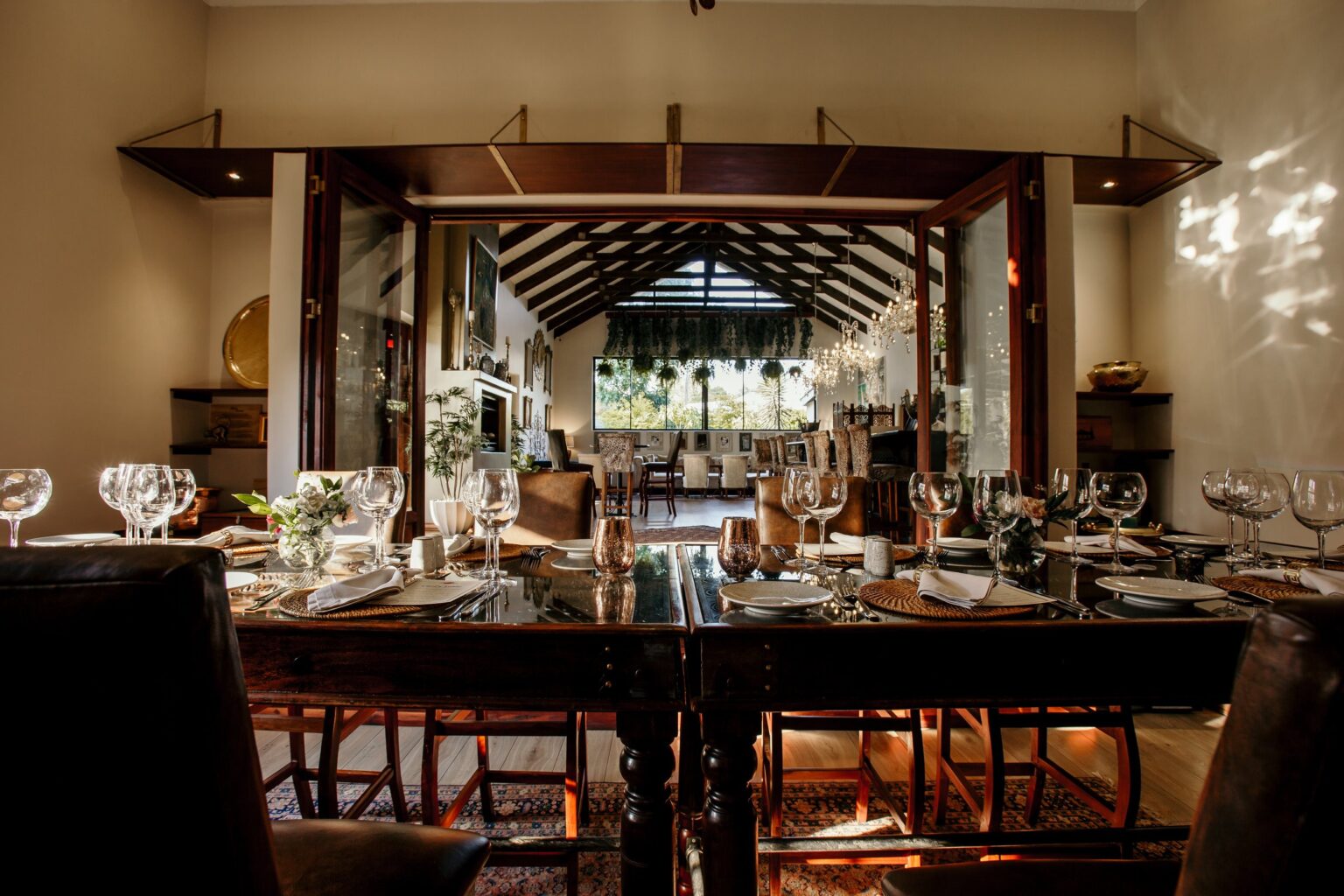
Ivory Coast ranks fourth with an index of 32.2, up from fifth in 2024. The rise is fuelled by continued development in urban areas like Abidjan and San Pedro, where dining establishments are becoming more cosmopolitan in both menu and clientele. Dishes such as garba, poisson braisé, and kédjénou remain staples, but modern rooftop venues and gourmet experiences—like those found at The Rooftop Abidjan—underscore a growing fusion in culinary offerings.

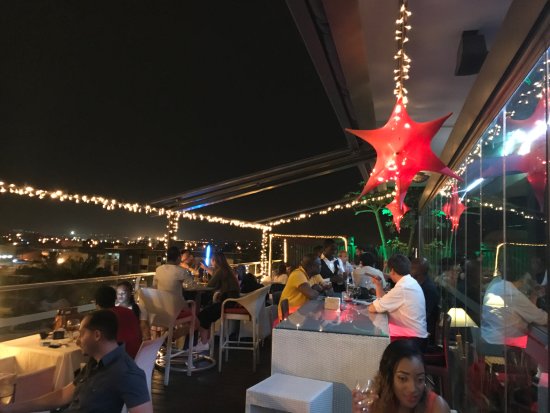
Ghana has seen the sharpest increase in West Africa, climbing from tenth in 2024 to fifth in 2025, with its index rising from 22.9 to 30.1. The nation’s food culture, built around richly seasoned stews served with starches like fufu, kenkey, and waakye, is undergoing a transformation as cities such as Accra and Kumasi expand their upscale dining options. Venues such as La Chaumière and The Venue in East Legon reflect this convergence of traditional and international culinary experiences.
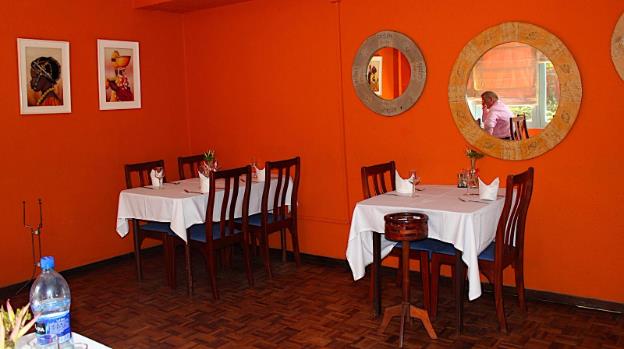
Mauritius, with a score of 29.9, ranks sixth and continues to exhibit a steady climb in dining costs. This island nation’s diverse culinary influences—rooted in Indian, Chinese, French, and Creole traditions—are evident in both its street food and luxury restaurant scenes. Establishments such as Le Château de Bel Ombre offer high-end, heritage-driven experiences in historic estates, while bustling markets and coastal eateries serve dholl puri, biryani, and boulettes to locals and tourists alike.

South Africa comes in seventh with an index of 29.3. Although the country has dropped three positions since 2024, restaurant prices remain elevated across its major metropolitan centres—Cape Town, Johannesburg, Durban, and Pretoria. The country’s dynamic culinary identity, marked by braai culture, bobotie, biltong, and Cape Malay dishes, continues to draw both domestic and international interest. Restaurants such as Karibu and Ons Huisie blend heritage flavours with contemporary presentation.
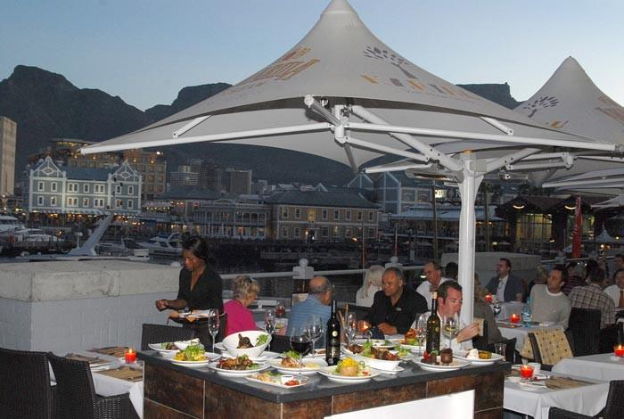
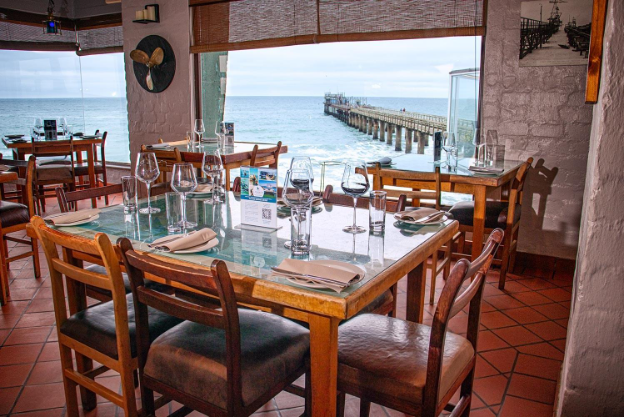
Namibia takes eighth place with a Restaurant Price Index of 28.9. While it has dropped two spots since 2024, prices have still marginally increased. Namibian cuisine often includes game meats and traditional dishes such as mahangu porridge and potjiekos, alongside German colonial influences like bratwurst and sauerkraut. Notable dining venues include The Tug in Swakopmund and Droombos outside Windhoek, which offer regionally sourced menus and a fusion of traditional and modern gastronomy.
Kenya, in ninth position with an index of 25.0, marks one of the most dramatic upward movements, having climbed ten spots from 2024. This sharp rise points to inflationary pressures, increased urban demand, and the tourism sector’s recovery. Kenyan staples like nyama choma, ugali, and sukuma wiki are now served alongside a growing range of global cuisines, especially in cities like Nairobi and Mombasa. Venues such as Mawimbi and Tamarind Brasserie illustrate the country’s increasingly international restaurant landscape.

Completing the list is Botswana, which ranks tenth with a Restaurant Price Index of 24.9. The country’s food culture revolves around staples such as seswaa, bogobe, and morogo. Urban centres like Gaborone and Maun have witnessed a gradual rise in international culinary options, often aligned with tourism infrastructure. Restaurants such as Sanitas and Rodizio Brazilian Grill highlight the diversity in the nation’s dining scene.

The 2025 data underscores a continent-wide evolution in dining economics, driven by a complex interplay of inflation, globalisation, tourism, and changing consumer expectations. Restaurant prices are increasingly becoming a barometer for broader socioeconomic trends across Africa, offering insights not only into affordability but also into evolving lifestyles, supply chains, and culinary identities.