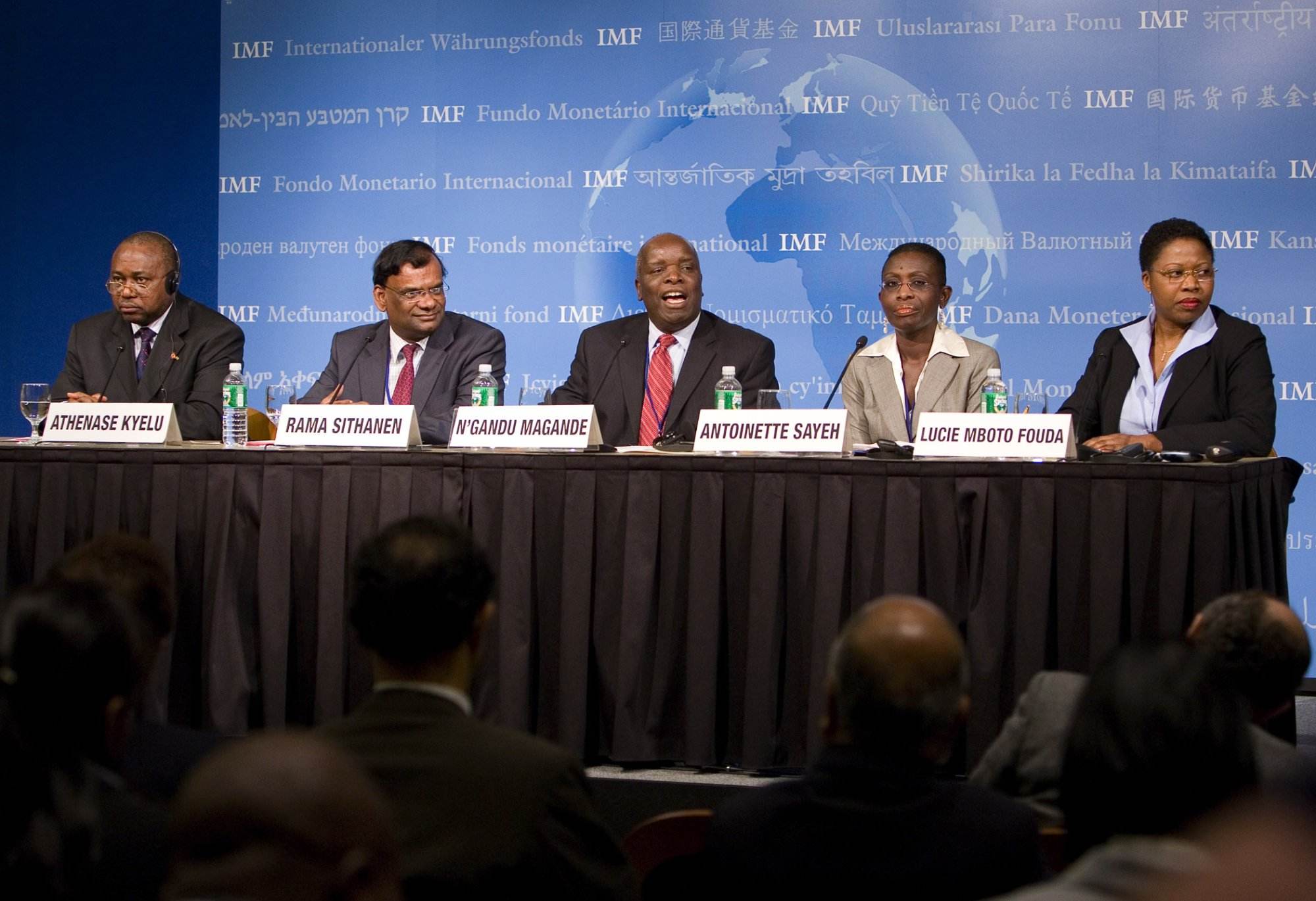
The upcoming board of governors meeting hosted by the World Bank presents African governments with a crucial opportunity to address pressing challenges faced by the continent, including debt, inflation, war, and geo-economic fragmentation.
However, African governors often struggle to keep their issues on the agenda and face difficulties in advocating for their interests effectively. This article examines the challenges and opportunities African governments encounter in global governance meetings and argues for the need to adopt a more strategic and collective approach to strengthen their leverage.
Challenges Faced by African Governments:



African governments face several challenges when engaging in global governance meetings. One challenge is the lack of a unified agenda and the absence of intense intra-Africa consultation before these gatherings. Many African finance ministers often come to these meetings with separate agendas, which weakens their leverage and diminishes their ability to effectively advocate for their interests.
Additionally, the absence of a common African position on critical issues, such as debt, further hampers their ability to influence decision-making processes.
Another challenge is the complex issue of debt. The current common framework for debt resolution is not working effectively, and there is no clear African position on amending it or creating a successor mechanism. This has led to a financing purgatory for African countries, with some struggling to pay salaries and facing limited market access.
The recent proposal by China that multilateral development banks share in haircuts has faced resistance from other shareholders and the World Bank, and African governments’ stance on this issue is not yet clear. The lack of a unified and proactive approach in engaging with China on debt resolution denies Africa a voice in shaping the outcome.
Opportunities for African Governments:
Despite the challenges, there are opportunities for African governments in global governance meetings. One crucial opportunity is to collectively engage with China on debt resolution. Rather than letting individual countries make their case, African countries could come together through the African Union or other regional configurations to develop a unified African position on the Common Framework.
This would enable Africa to have a stronger voice in shaping the outcome of debt resolution discussions and ensure that the continent’s interests are effectively represented.
Another opportunity is the allocation of Special Drawing Rights (SDRs) through the African Development Bank. While the ultimate goal is to have SDRs directly lent to African sovereigns, in the short term, African governments can press for the successful implementation of the pilot program through the African Development Bank. This could provide much-needed liquidity to African countries and contribute to their economic recovery.
The Need for a Strategic and Collective Approach:
To overcome the challenges and fully utilize the opportunities in global governance meetings, African governments need to adopt a more strategic and collective approach. This includes intense intra-Africa consultation before global gatherings to develop a common agenda and position on critical issues. African countries should proactively engage with China on debt resolution, either through regional configurations or the African Union, to collectively advocate for their interests and ensure a more favorable outcome.
Additionally, African governments should actively push for the successful implementation of SDRs through the African Development Bank and work towards a long-term goal of direct SDR lending to African sovereigns.
Conclusion:
In conclusion, African governments face challenges in effectively advocating for their interests in global governance meetings. However, there are opportunities to overcome these challenges by adopting a more strategic and collective approach.

By developing a unified agenda, engaging with China collectively, and proactively advocating for SDRs through the African Development Bank, African governments can strengthen their leverage and ensure that their issues are effectively addressed in global governance discussions.
Only through a united and proactive approach can Africa maximize its voice and influence in shaping the outcomes of global governance meetings.

Farai Ian Muvuti is the Chief Executive Officer of The Southern African Times and is also a policy advisor to the African Business Chamber.