Wednesday, June 10, 2026
  • Login
The Southern African Times
  • Home
  • Southern Africa
  • Business
    • African Start ups
    • African Continental Free Trade Area
  • Technology
    • Lifestyle
      • Health
      • Culture
      • Food and Drink
      • Entertainment
  • Opinion
  • Sports
  • SAT Jobs
    • Events
  • About Us
    • Advertise with Us
    • Contact Us
No Result
View All Result
  • Home
  • Southern Africa
  • Business
    • African Start ups
    • African Continental Free Trade Area
  • Technology
    • Lifestyle
      • Health
      • Culture
      • Food and Drink
      • Entertainment
  • Opinion
  • Sports
  • SAT Jobs
    • Events
  • About Us
    • Advertise with Us
    • Contact Us
No Result
View All Result
The Southern African Times
No Result
View All Result
Home Analysis

Zimbabwe is open for business, but it’s more than that…

by SAT Reporter
April 24, 2021
in Analysis, Opinion
0
Zimbabwe is open for business, but it’s more than that…

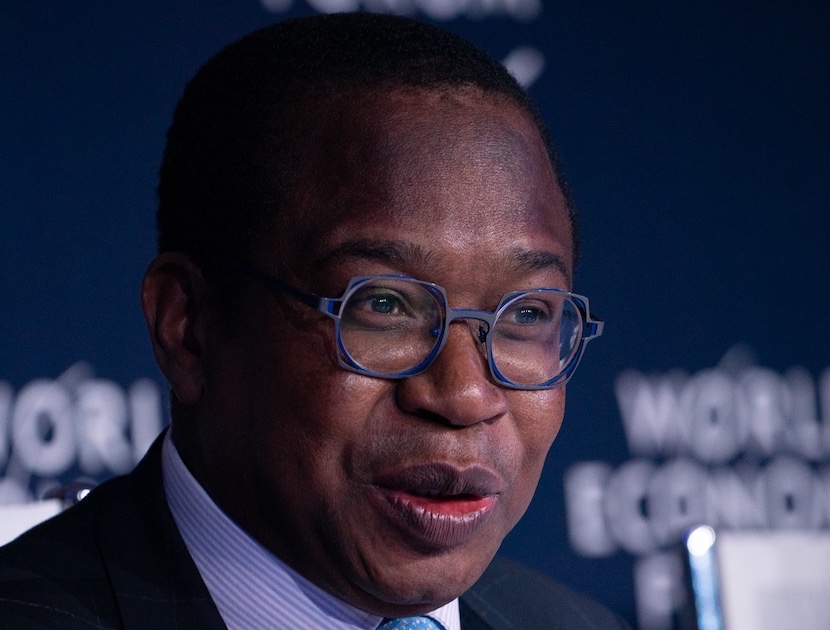
Mthuli Ncube, Minister of Finance and Economic Development of Zimbabwe speaking during the Session "The Debt Time Bomb " in "Issue Briefing Room" at the Annual Meeting 2019 of the World Economic Forum in Davos, January 23, 2018. Copyright by World Economic Forum / Greg Beadle

The nation has risen 21 places in the World Bank’s global ease of doing business rankings over the past three years, and 31 places over the past five

On becoming president at the onset of the new Zimbabwean dispensation, one of President Emmerson Mnangagwa’s first — and most memorable — quotes was that “Zimbabwe is open for business”.

This, in and of itself, was a significant statement. Up until that point Zimbabwe had been closed off to the investors of the world as a result of its global isolation, dysfunctional economy, anti-business policies and general scepticism of the West.


ADVERTISEMENT

So, while the president’s statement was seen by some as “just words”, in reality it was much more than that. It was a recognition of the centrality of foreign investment and the free market in creating jobs, fostering inclusive growth and ensuring sustainable economic development.

It was an acknowledgment of the urgent need for reform. And it was a signal to the investors of the world that this truly was a new Zimbabwe with a new way of doing things.

“Open for Business” was a rallying call for the transformation of the Zimbabwean economy. Investors heard the president’s call and were impressed by his sincerity and commitment.

Of course, issuing a rallying call such as this was just the first step. To be convinced to invest their hard earned resources in Zimbabwe — until then seen as a prohibitively risky investment destination — businesspeople needed not only to hear intent, but to see action.

As with any field, the marketplace for investment is an extremely crowded one. Across the world, not just in the developing world, nations, regions and even cities are competing to attract investment. For example, when Amazon announced that it planned to expand its corporate headquarters, more than 200 cities in the US, Canada and Mexico offered tax breaks, expedited construction approvals, and made promises of infrastructure improvements and other incentives in a bid to attract the company. According to reports, New York — the world’s financial centre — had to offer more than $1.5bn in tax breaks and more than $300m in cash to attract Amazon.          

Zimbabwe is being marketed to the global business community as an attractive and competitive investment location

Closer to home, companies looking to invest in Africa see a highly competitive marketplace, with countries such as Mauritius, Rwanda, Botswana, Kenya and Ghana, as well as SA, having worked for decades to position themselves as hospitable destinations for foreign investment. Social media giant Twitter’s recent decision to open its first African office in Ghana was not accidental, but rather the outcome of a lengthy period of reforms, investment and lobbying from the Ghanaian government.

Judging from where Zimbabwe was in 2017, it had a lot of catching up to do. The good news is that over the past three years this gap has been narrowed and — through the Transitional Stabilisation Programme, a step-by-step road map for economic recovery and reform — the country has made big strides forward. Through determination, commitment and discipline, Zimbabwe has put its economic house in order: it has balanced the budget, cut unnecessary expenditure, run a balance of payments surplus, floated its own currency and seen it settle, and brought inflation under control.

Importantly, Zimbabwe has risen 21 places in the World Bank’s global ease of doing business rankings over the past three years, and 31 places over the past five, leapfrogging countries such as Ethiopia, Tanzania and Algeria. This improvement has not been missed by the global business community.

With this basis, and a record of action to match its rhetoric, last week saw the first ever Zimbabwe Global Investor Roadshow. The roadshow, in Cape Town, is designed to showcase the deep-rooted reforms and progress the country has made over the past few years. Through it, Zimbabwe is being marketed to the global business community as an attractive and competitive investment location. The roadshow also explains the benefits of the new Victoria Falls Stock Exchange as a hard currency investment platform. The plan is, at a future stage, to take the roadshow around the world, with a focus on London and New York.

Already, representatives have met with a series of prominent businesses and investors from across the region, and the feedback has been extremely positive. With the country’s commitment to reform, impressive economic performance and positive outlook for 2021, there is a real belief that Zimbabwe is turning the corner and becoming an increasingly attractive investment destination. Its government is committed to live up to this faith, and to ensure this vision becomes a reality.

As the country celebrates its 41st independence day, we must all acknowledge that Zimbabwe at 41 is a far cry from Zimbabwe at 37, just four years ago. The gloom of 2017 has been replaced by a genuine sense of optimism. Optimism that the conditions are finally in place for the country to fulfil its potential, and for its people to thrive. It is this message that is being taken to the investors of the world with the knowledge that their investments will expedite the process and bring Zimbabwe ever closer to fulfilling the dreams of its founders.

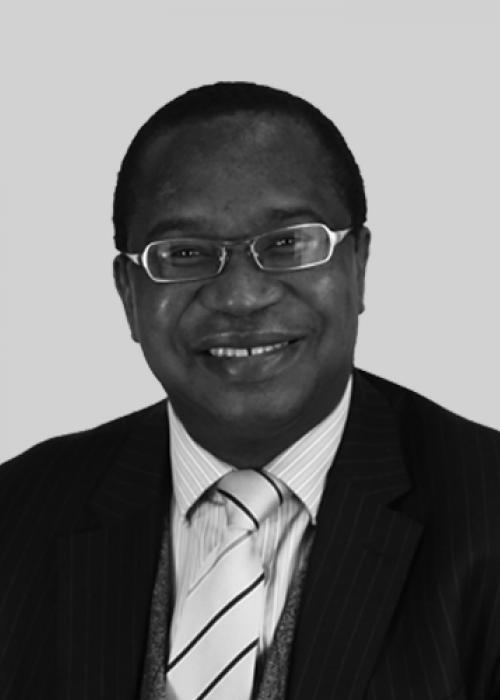
Mthuli Ncube is the Minister of Finance in Zimbabwe and a Visiting Professor at the Saïd Business School, University of Oxford. He has a background in academia, banking, investments and public policy.


Previous Post

World leaders pledge climate cooperation despite other rifts

Next Post

Djokovic triumphs in opening match at Serbia Open

SAT Reporter

Related Posts

Faith, Miracles and the Crisis of Religious Authenticity
Opinion

Faith, Miracles and the Crisis of Religious Authenticity

by Brendan Amadi
June 10, 2026
How DRC President Leveraged Geopolitics to Secure Political Survival
Opinion

How DRC President Leveraged Geopolitics to Secure Political Survival

by Dr. Alex Ntung
June 9, 2026
Zimbabwe’s Child Online Safety Moment and Why It Matters Beyond 2030
Opinion

Zimbabwe’s Child Online Safety Moment and Why It Matters Beyond 2030

by Kundai Vambe
June 5, 2026
The Southern African Times Announces 2026 Editorial Recognition List (Shortlist Phase)
The Editorial Board

The Southern African Times Announces 2026 Editorial Recognition List (Shortlist Phase)

by The Editorial Board
June 2, 2026
Education and the Making of Responsible Citizens
Opinion

Education and the Making of Responsible Citizens

by Brendan Amadi
June 2, 2026
Next Post
Djokovic triumphs in opening match at Serbia Open

Djokovic triumphs in opening match at Serbia Open

Browse by Category

  • Africa AI
  • African Continental Free Trade Area
  • African Debt
  • African Start ups
  • Agriculture
  • AI Africa
  • Algeria
  • All News
  • Analysis
  • Angola
  • Arts / Culture
  • Asia
  • Botswana
  • BOTSWANA
  • BREAKING NEWS
  • BRICS
  • Burkina Faso
  • Burundi
  • Business
  • Business
  • Business Wire
  • Cameroon
  • Central Africa
  • Chad
  • China
  • Climate Change
  • Climate Changev
  • Community
  • Congo Republic
  • Conservation
  • Côte d’Ivoire
  • COVID 19
  • CRYPTOCURRENCY
  • Culture
  • Democratic Republic of Congo
  • Diplomacy
  • Eastern Africa
  • Economic Development
  • Economy
  • Education
  • Egypt
  • Elections 2024
  • Energy
  • Entertainment
  • Environment
  • Eritrea
  • Ethiopia
  • Europe
  • Fashion
  • Feature
  • Finance
  • Financial Inclusion
  • Food
  • Food and Drink
  • Foods
  • GABON
  • Ghana
  • Global
  • Global Africa
  • Guinea
  • Health
  • Humanitarian Aid
  • Immigration
  • in Southern Africa
  • International news
  • International Relations
  • Investment
  • Ivory Coast
  • Just In
  • Kenya
  • Lesotho
  • Libya
  • Life Style
  • Lifestyle
  • Literature
  • Malawi
  • Malawi
  • Mali
  • Markets
  • Mauritius
  • Middle East
  • Mining in Africa
  • Morocco
  • Mozambique
  • Namibia
  • niger
  • Niger
  • Nigeria
  • North Africa
  • North-Eastern Africa
  • Obituaries
  • Obituary
  • Opinion
  • PARTNER CONTENT
  • Politics
  • Property
  • Racism
  • Rwanda
  • Rwanda
  • SADC
  • SAT Interviews
  • SAT Investigation
  • SAT Jobs
  • Saudi Arabia
  • Senegal
  • Seychelles
  • Somaliland
  • South Africa
  • South Sudan
  • Sports
  • Startup Africa
  • STOCK EXCHANGE
  • Sudan
  • Sustainability
  • Sustainablity
  • Tanzania
  • Technology
  • Telecommunications
  • The Editorial Board
  • The Power Of She
  • Togo
  • Trade
  • Travel
  • Travel
  • Tunisia
  • Uganda
  • Uncategorized
  • Wealth
  • West Africa
  • World
  • World
  • ZAMBIA
  • Zambia
  • ZIMBABWE
  • Zimbabwe

Browse by Tags

#NewsUpdate #SouthAfrica #SouthernAfricanTimes #TheSouthernAfricanTimes AfCFTA africa African Continental Free Trade Area African development African Development Bank African economies African economy African Union Agriculture Angola Botswana China Climate change Cyril Ramaphosa Economic Development economic growth energy transition governance IMF industrialisation Inflation Infrastructure Infrastructure Development International relations Investment Kenya Mozambique Namibia news Nigeria Regional Integration renewable energy Rwanda SADC South Africa Southern Africa sustainable development Tanzania United States Zambia Zimbabwe
ADVERTISEMENT

WHO WE ARE

The Southern African Times is a regional bloc digital newspaper that covers Southern African and world news. The paper also gives a nuanced analysis on news and covers a wide range of reporting which include sports, entertainment, foreign affairs, arts and culture.

Welcome Back!

Login to your account below

Forgotten Password?

Retrieve your password

Please enter your username or email address to reset your password.

Log In
  • Home
  • Southern Africa
  • Business
    • African Start ups
    • African Continental Free Trade Area
  • Technology
    • Lifestyle
      • Health
      • Culture
      • Food and Drink
      • Entertainment
  • Opinion
  • Sports
  • SAT Jobs
    • Events
  • About Us
    • Advertise with Us
    • Contact Us
Not enough quota to unlock this post
Unlock left : 0
Are you sure want to cancel subscription?