Tanzania’s Songo Songo natural gas block is producing an average of 84.7 million cubic feet of gas per day, according to the country’s Deputy Minister of Energy, Salome Makamba, underscoring the continued strategic importance of domestic gas resources in supporting East Africa’s energy and industrial ambitions.
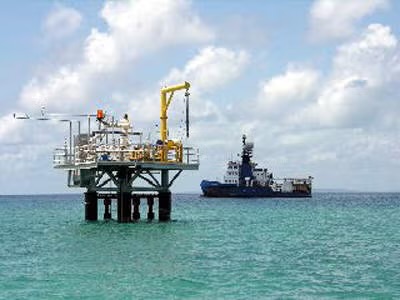
Addressing parliament in Dodoma on Tuesday, Makamba said that a total of 12 wells have so far been drilled at the offshore gas field. Of these, nine were developed by the state owned Tanzania Petroleum Development Corporation, while three were drilled by Pan African Energy Tanzania, the private operator involved in the project.
The Songo Songo gas field, located off Tanzania’s southern coastline, remains one of the country’s most significant energy assets and continues to supply natural gas for electricity generation and industrial use, particularly in Dar es Salaam and other urban centres linked to the national pipeline network.



Makamba told legislators that production levels are currently aligned with national demand requirements, reflecting Tanzania’s broader efforts to strengthen energy reliability while supporting industrial growth and domestic economic expansion. Natural gas has become increasingly central to Tanzania’s energy mix over the past two decades, particularly as the country seeks to reduce pressure on hydropower systems that are often vulnerable to climate related disruptions.
The deputy minister also confirmed that the government is in discussions with Pan African Energy Tanzania regarding a possible extension of the project’s development licence, which is due to expire in October 2026. According to Makamba, the negotiations are intended to ensure continuity of production and operational stability at a facility regarded as critical to national energy security.
The Songo Songo project occupies a distinctive place in Tanzania’s modern economic history as the country’s first commercial natural gas development. Since commercial operations began, the field has played a central role in powering thermal electricity plants and supporting industrial users across key sectors of the economy.
Across Africa, governments continue to debate how natural gas can be utilised within broader development frameworks that seek to balance industrialisation, energy access and climate commitments. Tanzania’s experience reflects wider continental conversations around the use of domestic resources to address infrastructure deficits, expand manufacturing capacity and improve access to reliable electricity for growing populations.
While global energy transitions continue to shape international financing and investment patterns, several African states have argued that natural gas remains an important transitional resource for economies where large sections of the population still face limited access to affordable and dependable energy. Tanzania has increasingly positioned its gas reserves within this context, emphasising domestic utilisation alongside long term export potential.

According to official figures from the government and energy sector stakeholders, Tanzania possesses substantial natural gas reserves, primarily concentrated in offshore and southern regions including Songo Songo and Mnazi Bay. These reserves have contributed to the expansion of gas fired electricity generation capacity and the development of energy intensive industries within the country.
The ongoing discussions over the future of the Songo Songo licence are likely to be closely watched both within Tanzania and across the region, as governments continue exploring how resource governance, infrastructure investment and public private partnerships can contribute to long term energy resilience and economic transformation.