Thursday, April 30, 2026
  • Login
The Southern African Times
  • Home
  • Southern Africa
  • Business
    • African Start ups
    • African Continental Free Trade Area
  • Technology
    • Lifestyle
      • Health
      • Culture
      • Food and Drink
      • Entertainment
  • Opinion
  • Sports
  • SAT Jobs
    • Events
  • About Us
    • Advertise with Us
    • Contact Us
No Result
View All Result
  • Home
  • Southern Africa
  • Business
    • African Start ups
    • African Continental Free Trade Area
  • Technology
    • Lifestyle
      • Health
      • Culture
      • Food and Drink
      • Entertainment
  • Opinion
  • Sports
  • SAT Jobs
    • Events
  • About Us
    • Advertise with Us
    • Contact Us
No Result
View All Result
The Southern African Times
No Result
View All Result
Home Energy

Ethiopia Restores Diesel Supply Following Global Fuel Disruptions

by SAT Reporter
April 30, 2026
in Energy
0
Ethiopia Restores Diesel Supply Following Global Fuel Disruptions

Ethiopia has restored its diesel supply to pre disruption levels following weeks of strain linked to instability in global fuel markets, reflecting both immediate policy responses and longer term shifts in energy strategy across the continent. The development highlights how African economies continue to navigate external shocks while advancing domestic resilience through diversified energy systems and regional logistics networks.

According to government sources cited by The Southern African Times, Ethiopia’s daily diesel supply has returned to approximately nine million litres after falling to nearly half that volume at the height of the disruption. The reduction had been attributed to supply chain pressures and rising prices associated with tensions in the Middle East, a region that remains central to global fuel flows. The restoration follows the arrival of renewed shipments routed through neighbouring Djibouti, a critical gateway for Ethiopia’s fuel imports via the Port of Djibouti, as outlined by the Ethiopian Customs Commission in its broader trade facilitation framework.

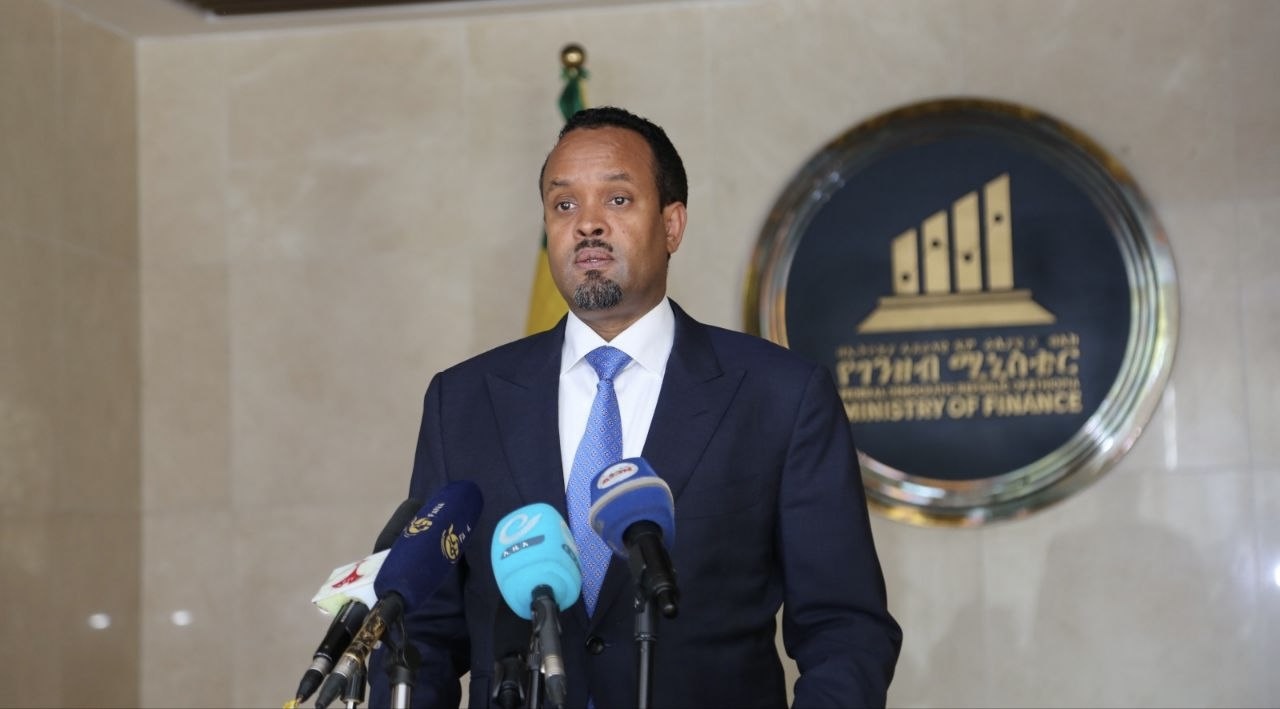
Officials within the Ministry of Finance, including Finance Minister Ahmed Shide, indicated that the government implemented special procurement measures to secure fuel supplies at elevated international prices, seeking to stabilise domestic availability while cushioning economic impacts. At the peak of the shortage, daily supply had dropped to around 4.5 million litres, placing pressure on transport, agriculture, and industrial sectors that are heavily dependent on diesel.


ADVERTISEMENT

Statements from the Office of the Prime Minister confirm that Ethiopia is currently allocating approximately 20 billion birr each month in fuel subsidies, equivalent to about 128 million United States dollars. These measures are intended to mitigate inflationary pressures and protect household purchasing power during a period of global price volatility. The scale of the subsidy reflects a broader trend across African economies, many of which have adopted fiscal interventions to shield domestic markets from external energy shocks, as discussed in regional analyses by the African Development Bank.

Government communication channels have also confirmed that supplies of gasoline and jet fuel have remained stable throughout the disruption, suggesting targeted management of strategic reserves and prioritisation across fuel categories. Distribution of diesel supplies resumed across regions following the arrival of shipments, signalling a return to operational normalcy in key sectors.

Beyond the immediate response, Ethiopian authorities have emphasised the role of domestic energy investments in strengthening resilience. Recent expansion in hydroelectric, wind, solar, and geothermal capacity has reduced reliance on imported fossil fuels for electricity generation. Initiatives such as the Grand Ethiopian Renaissance Dam, detailed by Ethiopian Electric Power, are part of a broader continental shift towards renewable energy systems that can buffer economies against global commodity volatility.

The episode underscores the interconnected nature of African economies with global energy markets, while also highlighting the agency of governments in managing disruptions through regional partnerships and domestic policy tools. Ethiopia’s reliance on Djibouti for fuel logistics illustrates the importance of cross border infrastructure and cooperation in sustaining economic stability across the Horn of Africa.

At the same time, the response reflects a nuanced balance between short term fiscal intervention and long term structural transformation. While subsidies provide immediate relief, they also carry budgetary implications that require careful management, particularly in economies pursuing development priorities across multiple sectors.

The restoration of diesel supply is therefore not only a logistical achievement but also part of a broader narrative of adaptation and resilience. It illustrates how African states are responding to global uncertainties while advancing context specific strategies that reflect regional realities and development trajectories.

Tags: African economiesdiesel supplyDjibouti portenergy resilienceEthiopiafuel crisisfuel subsidiesHorn of AfricaMinistry of Finance EthiopiaOffice of the Prime Minister Ethiopiarenewable energy Africa
Previous Post

ArcelorMittal reports resilient first quarter with Africa driven mining growth

Next Post

Namibia Mining Revenue Surges Despite Output Decline in 2025

SAT Reporter

Related Posts

Kumba Iron Ore Advances Renewable Energy Strategy Through Envusa Partnership
Energy

Kumba Iron Ore Advances Renewable Energy Strategy Through Envusa Partnership

by SAT Reporter
April 26, 2026
Angola Awards 72 Million Dollar Luanda Power Project
Angola

Angola Awards 72 Million Dollar Luanda Power Project

by SAT Reporter
April 25, 2026
Botswana launches 500 MW solar and battery project in Maun
Botswana

Botswana launches 500 MW solar and battery project in Maun

by SAT Reporter
April 25, 2026
Zambia advances energy diversification with major solar and storage investment
Energy

Zambia advances energy diversification with major solar and storage investment

by SAT Reporter
April 23, 2026
China Solar Exports to Africa Surge as Continent Navigates Energy Transition
Energy

China Solar Exports to Africa Surge as Continent Navigates Energy Transition

by SAT Reporter
April 21, 2026
Next Post
Namibia Mining Revenue Surges Despite Output Decline in 2025

Namibia Mining Revenue Surges Despite Output Decline in 2025

Browse by Category

  • Africa AI
  • African Continental Free Trade Area
  • African Debt
  • African Start ups
  • Agriculture
  • AI Africa
  • Algeria
  • All News
  • Analysis
  • Angola
  • Arts / Culture
  • Asia
  • BOTSWANA
  • Botswana
  • BREAKING NEWS
  • BRICS
  • Burkina Faso
  • Burundi
  • Business
  • Business
  • Business Wire
  • Cameroon
  • Central Africa
  • Chad
  • China
  • Climate Change
  • Climate Changev
  • Community
  • Congo Republic
  • Conservation
  • Côte d’Ivoire
  • COVID 19
  • CRYPTOCURRENCY
  • Culture
  • Democratic Republic of Congo
  • Diplomacy
  • Eastern Africa
  • Economic Development
  • Economy
  • Education
  • Egypt
  • Elections 2024
  • Energy
  • Entertainment
  • Environment
  • Eritrea
  • Ethiopia
  • Europe
  • Fashion
  • Feature
  • Finance
  • Financial Inclusion
  • Food
  • Food and Drink
  • Foods
  • GABON
  • Ghana
  • Global
  • Global Africa
  • Guinea
  • Health
  • Immigration
  • in Southern Africa
  • International news
  • International Relations
  • Investment
  • Ivory Coast
  • Just In
  • Kenya
  • Lesotho
  • Libya
  • Life Style
  • Lifestyle
  • Literature
  • Malawi
  • Malawi
  • Mali
  • Markets
  • Mauritius
  • Middle East
  • Mining in Africa
  • Morocco
  • Mozambique
  • Namibia
  • Niger
  • niger
  • Nigeria
  • North Africa
  • North-Eastern Africa
  • Obituaries
  • Obituary
  • Opinion
  • PARTNER CONTENT
  • Politics
  • Property
  • Racism
  • Rwanda
  • Rwanda
  • SADC
  • SAT Interviews
  • SAT Investigation
  • SAT Jobs
  • Saudi Arabia
  • Senegal
  • Seychelles
  • Somaliland
  • South Africa
  • South Sudan
  • Sports
  • Startup Africa
  • STOCK EXCHANGE
  • Sudan
  • Sustainability
  • Sustainablity
  • Tanzania
  • Technology
  • Telecommunications
  • The Editorial Board
  • The Power Of She
  • Togo
  • Trade
  • Travel
  • Travel
  • Tunisia
  • Uganda
  • Uncategorized
  • Wealth
  • West Africa
  • World
  • World
  • Zambia
  • ZAMBIA
  • ZIMBABWE
  • Zimbabwe

Browse by Tags

#NewsUpdate #SouthAfrica #SouthernAfricanTimes #TheSouthernAfricanTimes AfCFTA africa African Continental Free Trade Area African development African Development Bank African economies African economy African Union Agriculture Angola Botswana Business China Climate change Cyril Ramaphosa Economic Development economic growth energy transition fiscal policy industrialisation Inflation Infrastructure Infrastructure Development International relations Investment Kenya Mozambique Namibia news Nigeria Regional Integration renewable energy Rwanda SADC South Africa Southern Africa sustainable development Tanzania United States Zambia Zimbabwe
ADVERTISEMENT

WHO WE ARE

The Southern African Times is a regional bloc digital newspaper that covers Southern African and world news. The paper also gives a nuanced analysis on news and covers a wide range of reporting which include sports, entertainment, foreign affairs, arts and culture.

Welcome Back!

Login to your account below

Forgotten Password?

Retrieve your password

Please enter your username or email address to reset your password.

Log In

  • Home
  • Southern Africa
  • Business
    • African Start ups
    • African Continental Free Trade Area
  • Technology
    • Lifestyle
      • Health
      • Culture
      • Food and Drink
      • Entertainment
  • Opinion
  • Sports
  • SAT Jobs
    • Events
  • About Us
    • Advertise with Us
    • Contact Us
Are you sure want to unlock this post?
Unlock left : 0
Are you sure want to cancel subscription?