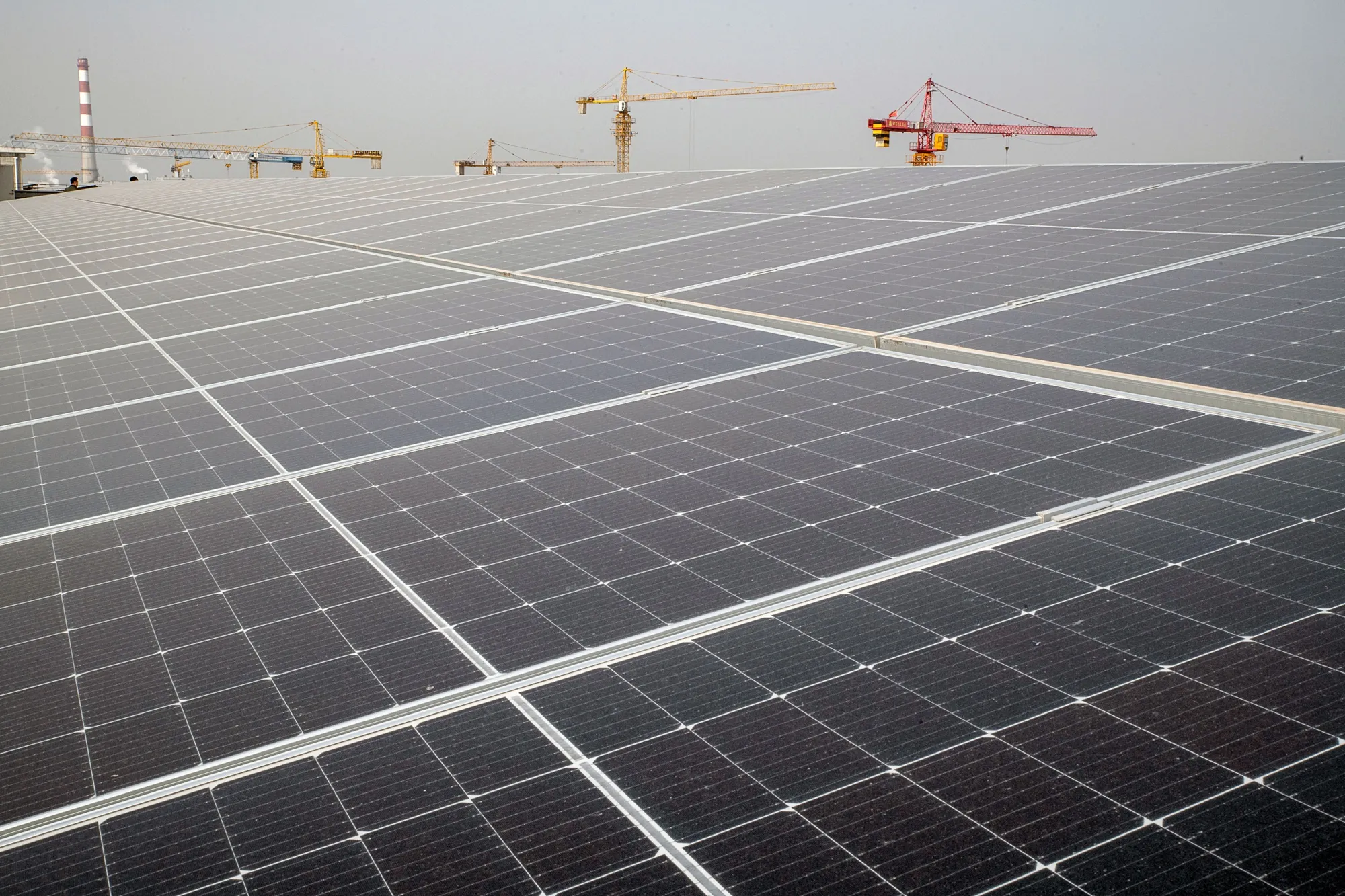
Zambia has formally commenced construction of a large scale solar photovoltaic and battery energy storage facility in Chongwe District, marking a significant development in the country’s evolving energy strategy. The project, situated at the Leopard Hill Solar Generation Station near Lusaka, combines 250 megawatts of solar generation capacity with a 150 megawatt battery storage system, representing an estimated investment of 315 million United States dollars.
President Hakainde Hichilema, speaking at the launch, framed the initiative as part of a broader effort to strengthen energy security and enhance resilience within the national grid. Zambia’s electricity system has historically depended heavily on hydropower, which accounts for the majority of installed capacity. However, recurring drought conditions and climate variability across the Zambezi basin have exposed structural vulnerabilities in this reliance, prompting policy shifts towards diversification.
The integration of battery storage alongside solar generation reflects a growing continental trend towards hybrid renewable systems capable of addressing intermittency. By storing excess energy during periods of high solar output and dispatching it during peak demand, the Leopard Hill facility is expected to contribute to improved grid stability and more consistent electricity supply.



The project is being developed through a partnership involving Globeleq, Kyindu Resources Limited and the state utility ZESCO Limited. Such public private collaboration has become increasingly central to infrastructure delivery across southern Africa, particularly in capital intensive sectors such as energy. Government officials indicated that the project’s progression was facilitated by regulatory and policy reforms aimed at enhancing investor confidence and streamlining project development frameworks.

Zambia’s energy transition agenda is also shaped by regional dynamics. The Southern African Power Pool has underscored the importance of cross border electricity trade in balancing supply and demand across member states. In this context, investments in generation capacity and grid stability have implications beyond national boundaries, contributing to wider regional energy integration.
Estimates from national energy authorities suggest that Zambia possesses substantial solar potential, with the capacity to generate up to 1000 megawatts from photovoltaic sources under current assessments. Projects such as the Chisamba solar developments, alongside Leopard Hill, are expected to incrementally expand generation capacity and diversify the national energy mix.
Beyond technical considerations, the Leopard Hill project is anticipated to generate employment opportunities during both construction and operational phases, while supporting local economic activity. It also reflects sustained engagement from international partners, including financing and technical cooperation linked to energy transition initiatives and infrastructure development.

While the long term performance of hybrid systems in Zambia’s specific operating context will require continued evaluation, the project illustrates a broader shift across the continent towards adaptable and diversified energy systems. In moving beyond a singular dependence on hydropower, Zambia’s approach aligns with a wider African discourse that emphasises resilience, sustainability and locally grounded development pathways.