Saturday, June 27, 2026
  • Login
The Southern African Times
  • Home
  • Southern Africa
  • Business
    • African Start ups
    • African Continental Free Trade Area
  • Technology
    • Lifestyle
      • Health
      • Culture
      • Food and Drink
      • Entertainment
  • Opinion
  • Sports
  • SAT Jobs
    • Events
  • About Us
    • Advertise with Us
    • Contact Us
No Result
View All Result
  • Home
  • Southern Africa
  • Business
    • African Start ups
    • African Continental Free Trade Area
  • Technology
    • Lifestyle
      • Health
      • Culture
      • Food and Drink
      • Entertainment
  • Opinion
  • Sports
  • SAT Jobs
    • Events
  • About Us
    • Advertise with Us
    • Contact Us
No Result
View All Result
The Southern African Times
No Result
View All Result
Home West Africa Nigeria

Nigeria Approves $2.4 Billion Power Sector Debt Settlement to Stabilise Electricity Supply

by SAT Reporter
April 8, 2026
in Nigeria, West Africa
0
Nigeria Approves $2.4 Billion Power Sector Debt Settlement to Stabilise Electricity Supply

Nigeria’s federal government has approved a substantial financial intervention aimed at resolving longstanding liabilities in its electricity sector, in a move that reflects both the structural challenges of power reform and broader efforts to stabilise energy systems across the continent.

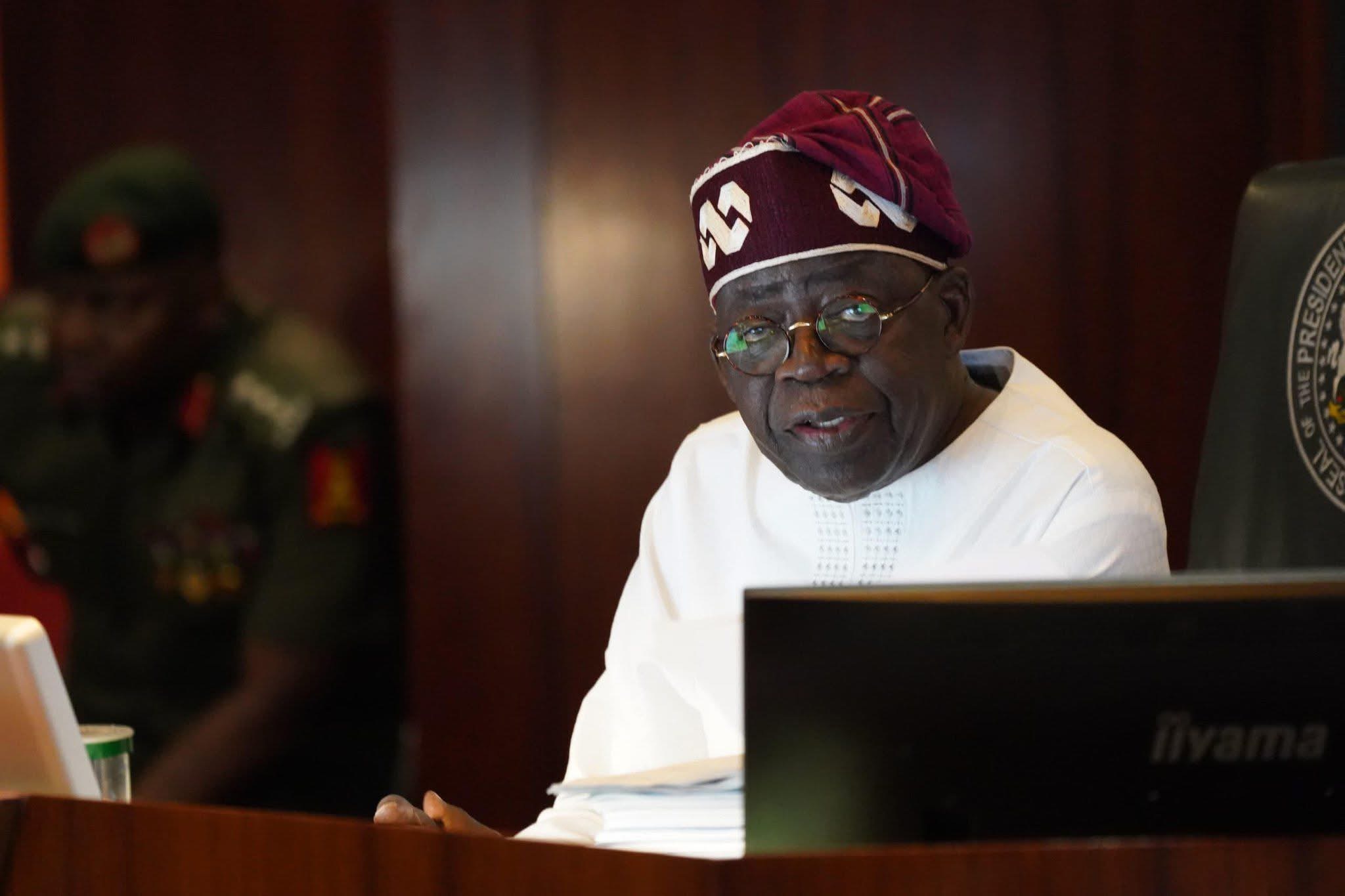
President Bola Tinubu has authorised the settlement of approximately ₦3.3 trillion in accumulated debts owed to participants across the power value chain, covering obligations incurred between February 2015 and March 2025. According to official statements released by the presidency and reported by Reuters, the initiative follows a comprehensive review of legacy debts that have constrained the sector for more than a decade.

The Nigerian Electricity Supply Industry has faced persistent liquidity shortfalls since its partial privatisation in 2013, with generation companies, gas suppliers, and distribution firms often operating under conditions of delayed payments and tariff shortfalls. These structural imbalances have contributed to unreliable electricity supply in Africa’s most populous country, despite significant installed generation capacity.


ADVERTISEMENT

Government spokesperson Bayo Onanuga indicated that implementation of the repayment plan is already underway. Fifteen power generation companies have signed settlement agreements amounting to roughly ₦2.3 trillion. The government has reportedly mobilised ₦501 billion in initial funding, with over ₦223 billion already disbursed to stakeholders.

The programme forms part of the broader Power Sector Financial Reforms Programme, which seeks to improve financial transparency and restore operational viability across the electricity value chain. Analysts note that resolving legacy debt is widely viewed as a prerequisite for attracting new investment into generation and transmission infrastructure, particularly in contexts where private sector participation has been hindered by uncertain revenue flows.

Olu Arowolo Verheijen, Special Adviser on Energy to the President, framed the initiative as part of a wider reform trajectory. She emphasised that the settlement is intended not only to clear arrears but also to rebuild trust among market participants, including gas suppliers whose inputs are critical to thermal generation. Her remarks align with ongoing policy measures that include metering reforms and the gradual implementation of service reflective tariffs, which aim to link electricity pricing more closely to supply quality.

Across Africa, similar financial and governance constraints continue to affect power sectors, from utility debt burdens in Southern Africa to tariff and subsidy challenges in East and West Africa. In this context, Nigeria’s intervention may be interpreted as part of a broader continental pattern in which governments are attempting to reconcile social affordability with the financial sustainability of energy systems.

The Nigerian government has stated that improved liquidity is expected to enhance generation stability and, over time, improve electricity reliability for households and businesses. The administration has also indicated that a second phase of the programme is expected to commence in the second quarter of 2026.

While the long term impact of the intervention remains to be seen, the scale of the commitment underscores the centrality of electricity reform to economic development strategies across the continent. Reliable power supply continues to be closely linked to industrial productivity, employment creation, and the expansion of small and medium enterprises, particularly in rapidly urbanising economies.

Tags: Africa Energydebt settlementEconomic DevelopmentElectricityenergy reformInfrastructureNigeriapower sectorTinubu administrationutilities
Previous Post

Zimbabwe Achievers Awards UK 2026 Nominees Revealed

Next Post

South Africa Seeks to Tighten Immigration Rules in Policy Shift

SAT Reporter

Related Posts

Obi Secures Presidential Ticket, Sets Up Fresh Showdown With Tinubu
Nigeria

Obi Secures Presidential Ticket, Sets Up Fresh Showdown With Tinubu

by SAT Reporter
June 2, 2026
Senegal shake up complicates IMF talks and rattles markets
Senegal

Senegal shake up complicates IMF talks and rattles markets

by SAT Reporter
May 27, 2026
Eni approves 4 billion dollar expansion of Ivory Coast oil project
Ivory Coast

Eni approves 4 billion dollar expansion of Ivory Coast oil project

by SAT Reporter
May 26, 2026
Nigeria growth eases in first quarter despite reform push
Nigeria

Nigeria growth eases in first quarter despite reform push

by SAT Reporter
May 26, 2026
Tinubu secures APC ticket, sets sights on second term
Nigeria

Tinubu secures APC ticket, sets sights on second term

by SAT Reporter
May 25, 2026
Next Post
South Africa Seeks to Tighten Immigration Rules in Policy Shift

South Africa Seeks to Tighten Immigration Rules in Policy Shift

Browse by Category

  • Africa AI
  • African Continental Free Trade Area
  • African Debt
  • African Start ups
  • Agriculture
  • AI Africa
  • Algeria
  • All News
  • Analysis
  • Angola
  • Arts / Culture
  • Asia
  • BOTSWANA
  • Botswana
  • BREAKING NEWS
  • BRICS
  • Burkina Faso
  • Burundi
  • Business
  • Business
  • Business Wire
  • Cameroon
  • Central Africa
  • Chad
  • China
  • Climate Change
  • Climate Changev
  • Community
  • Congo Republic
  • Conservation
  • Côte d’Ivoire
  • COVID 19
  • CRYPTOCURRENCY
  • Culture
  • Democratic Republic of Congo
  • Diplomacy
  • Eastern Africa
  • Economic Development
  • Economy
  • Education
  • Egypt
  • Elections 2024
  • Energy
  • Entertainment
  • Environment
  • Eritrea
  • Ethiopia
  • Europe
  • Fashion
  • Feature
  • Finance
  • Financial Inclusion
  • Food
  • Food and Drink
  • Foods
  • GABON
  • Ghana
  • Global
  • Global Africa
  • Guinea
  • Health
  • Humanitarian Aid
  • Immigration
  • in Southern Africa
  • International news
  • International Relations
  • Investment
  • Ivory Coast
  • Just In
  • Kenya
  • Lesotho
  • Libya
  • Life Style
  • Lifestyle
  • Literature
  • Malawi
  • Malawi
  • Mali
  • Markets
  • Mauritius
  • Middle East
  • Mining in Africa
  • Morocco
  • Mozambique
  • Namibia
  • Niger
  • niger
  • Nigeria
  • North Africa
  • North-Eastern Africa
  • Obituaries
  • Obituary
  • Opinion
  • PARTNER CONTENT
  • Politics
  • Property
  • Racism
  • Rwanda
  • Rwanda
  • SADC
  • SAT Interviews
  • SAT Investigation
  • SAT Jobs
  • Saudi Arabia
  • Senegal
  • Seychelles
  • Somaliland
  • South Africa
  • South Sudan
  • Sports
  • Startup Africa
  • STOCK EXCHANGE
  • Sudan
  • Sustainability
  • Sustainablity
  • Tanzania
  • Technology
  • Telecommunications
  • The Editorial Board
  • The Power Of She
  • Togo
  • Trade
  • Travel
  • Travel
  • Tunisia
  • Uganda
  • Uncategorized
  • Wealth
  • West Africa
  • World
  • World
  • Zambia
  • ZAMBIA
  • ZIMBABWE
  • Zimbabwe

Browse by Tags

#NewsUpdate #SouthAfrica #SouthernAfricanTimes #TheSouthernAfricanTimes AfCFTA africa African Continental Free Trade Area African development African Development Bank African economies African economy African Union Agriculture Angola Botswana China Climate change Cyril Ramaphosa Economic Development economic growth energy transition fiscal policy governance industrialisation Inflation Infrastructure Infrastructure Development International relations Investment Kenya Mozambique Namibia news Nigeria Regional Integration renewable energy Rwanda SADC South Africa Southern Africa sustainable development Tanzania United States Zambia Zimbabwe
ADVERTISEMENT

WHO WE ARE

The Southern African Times is a regional bloc digital newspaper that covers Southern African and world news. The paper also gives a nuanced analysis on news and covers a wide range of reporting which include sports, entertainment, foreign affairs, arts and culture.

Welcome Back!

Login to your account below

Forgotten Password?

Retrieve your password

Please enter your username or email address to reset your password.

Log In
  • Home
  • Southern Africa
  • Business
    • African Start ups
    • African Continental Free Trade Area
  • Technology
    • Lifestyle
      • Health
      • Culture
      • Food and Drink
      • Entertainment
  • Opinion
  • Sports
  • SAT Jobs
    • Events
  • About Us
    • Advertise with Us
    • Contact Us
Not enough quota to unlock this post
Unlock left : 0
Are you sure want to cancel subscription?