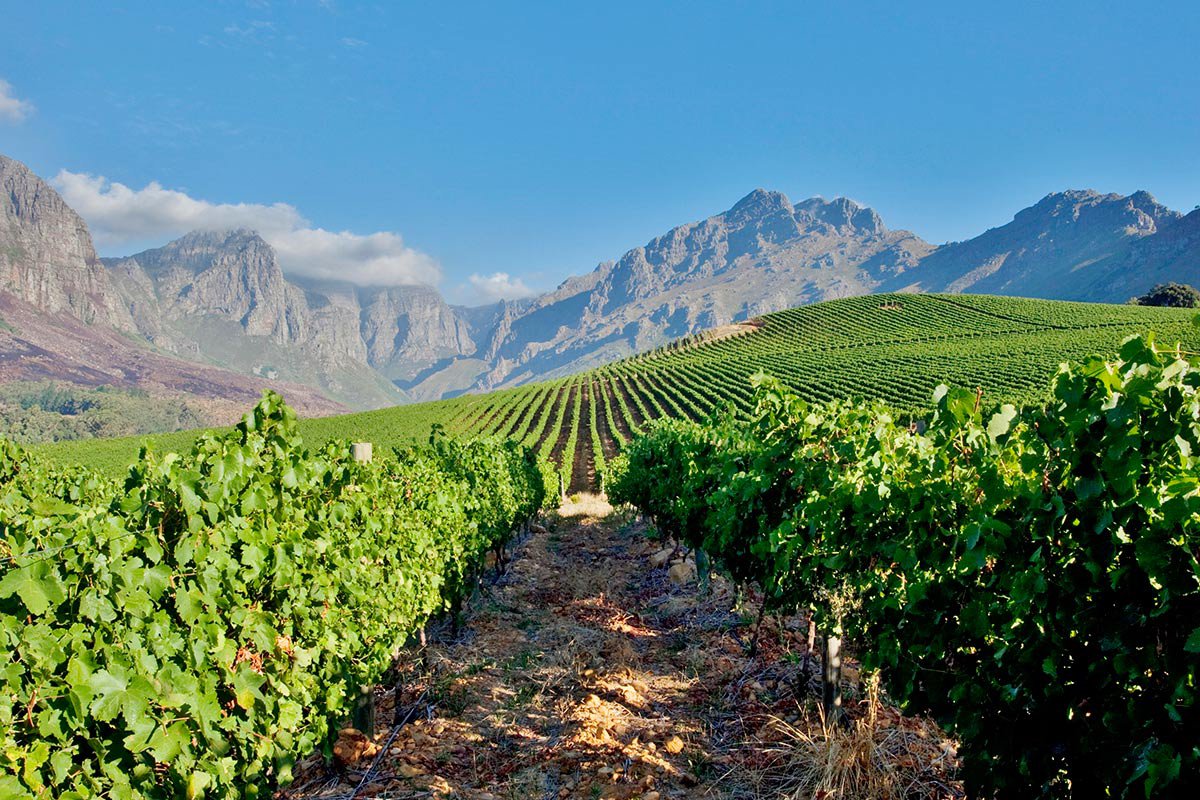
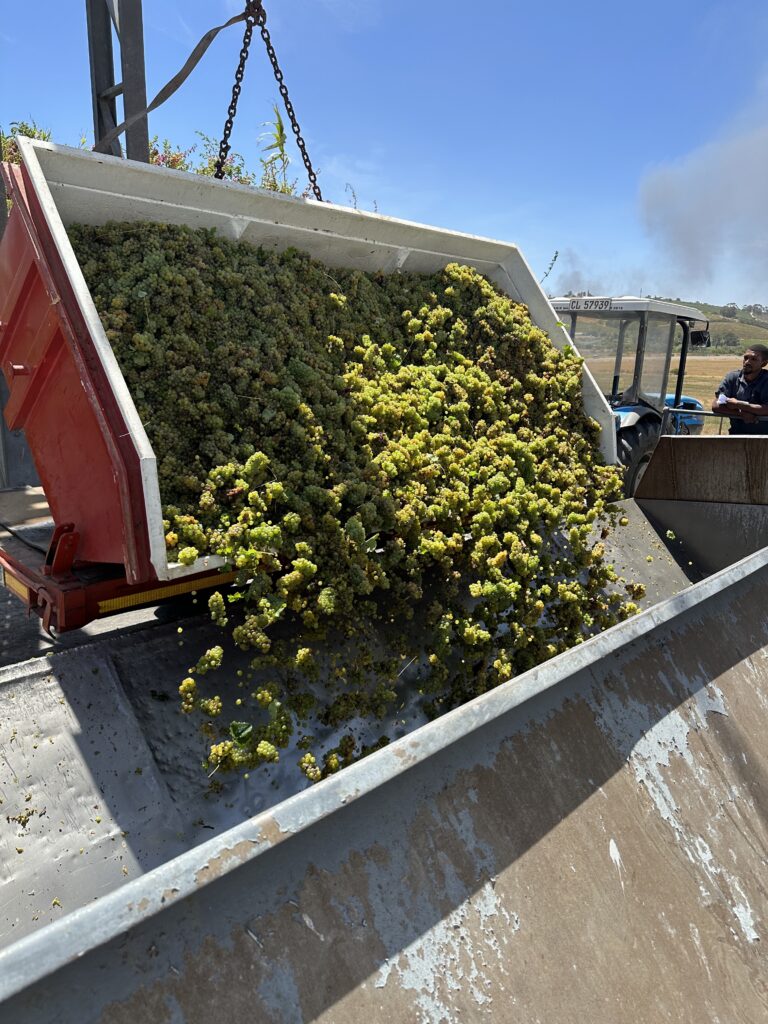
In the vineyards of the Western Cape, the close of harvest has brought a familiar rhythm of bottling and dispatch. Yet beyond the cellars of estates such as Diemersdal, a broader recalibration is under way. China’s decision to extend zero tariff treatment to imports from more than 50 African countries from May 2026 is being read not simply as a bilateral development, but as part of a wider reconfiguration of global trade relationships.
The measure, announced within the framework of Forum on China Africa Cooperation engagements, is expected to apply to a wide range of goods, particularly agricultural products. Analysis of China Africa trade flows suggests that tariff barriers have historically constrained the diversification of African exports, with many countries remaining dependent on raw commodities. The removal of duties, in theory, creates space for value added sectors such as wine, processed foods, and specialised agricultural products to gain greater market access.
For South Africa, whose wine industry is deeply embedded in global export networks, the implications are immediate but also indicative of longer term structural questions. The country ranks among the leading wine exporters globally, with production concentrated in the Western Cape and a long established presence in European markets. However, diversification towards Asia has been uneven, shaped by fluctuating demand, exchange rate movements, and policy constraints.



China occupies a distinctive position within this landscape. As research on the development of the Chinese wine industry and trade indicates, the country has experienced rapid growth in wine consumption over the past two decades, albeit with notable volatility. Imported wines have played a central role in this expansion, though demand is sensitive to economic cycles, regulatory changes, and shifting consumer preferences.
Tariffs have been one such determinant. Comparative studies of global wine markets show that trade policy can significantly alter competitive dynamics. When tariffs on Australian wine were increased in recent years, for example, import patterns shifted in favour of other suppliers. Conversely, preferential access has historically enabled certain exporters to secure market share. In this context, the extension of zero tariff treatment to African producers introduces a new competitive variable.
For estates in South Africa, the potential benefits are tangible. Lower tariffs may reduce retail prices in China, making South African wines more accessible to consumers and more attractive to importers. Yet the effects are unlikely to be uniform. Research on agricultural trade between China and Africa highlights that tariff reductions alone do not guarantee export growth. Factors such as logistics, branding, distribution networks, and regulatory compliance remain critical.
There is also a question of scale. While South Africa’s wine industry is relatively developed, much of the continent’s agricultural production remains fragmented. The zero tariff policy applies across 53 countries, each with different capacities and export profiles. In this sense, the initiative can be read as both an opportunity and a test of Africa’s broader ambitions around export diversification.
From a global perspective, the policy reflects a shifting trade environment in which traditional centres of demand are being complemented by emerging markets and new forms of economic partnership. Europe remains the principal destination for South African wine, supported by longstanding trade agreements and established consumer bases. However, growth in Asian markets, particularly China, has prompted exporters to reassess their strategies.
This recalibration is occurring against a backdrop of wider uncertainty in global trade. Geopolitical tensions, supply chain disruptions, and evolving regulatory regimes have all contributed to a more complex trading environment. Studies of global agricultural trade suggest that such conditions can amplify the impact of policy changes, including tariff adjustments, by altering relative competitiveness across regions.
Within China itself, consumption patterns continue to evolve. While red wine has traditionally dominated, reflecting cultural preferences, there is evidence of gradual diversification. Urban consumers, particularly younger cohorts, are engaging with a broader range of wine styles and origins. This shift has created opportunities for producers able to differentiate their offerings, whether through varietal distinctiveness, pricing strategies, or branding.
South Africa’s Pinotage, often described as uniquely associated with the country’s viticultural heritage, illustrates this potential. At the same time, the industry’s competitive positioning has long been linked to value for money, a factor that may become more pronounced if tariffs are removed. Lower costs at the border could translate into greater flexibility in pricing, allowing producers to navigate both entry level and premium segments.
Yet the opportunities presented by tariff liberalisation must be considered alongside structural constraints. Logistics remain a persistent challenge. Although South Africa benefits from established shipping routes, port efficiency and transport costs continue to influence export performance. In addition, the regulatory environment in destination markets, including labelling requirements and quality standards, can shape access in ways that tariffs alone do not address.


There are also broader developmental considerations. The extension of zero tariff access aligns with ongoing discussions about how African economies can move up value chains and reduce dependence on primary commodities. Wine, as a processed agricultural product, sits within this narrative. However, ensuring that benefits are distributed across producers, including smaller and historically marginalised participants, remains an open question.
The policy also intersects with continental initiatives such as the African Continental Free Trade Area, which aims to deepen intra African trade. While the immediate focus is on exports to China, there is a parallel conversation about strengthening regional markets and building resilience within the continent. In this context, external partnerships are one component of a more complex economic strategy.
For observers in the United Kingdom and elsewhere, the development offers insight into the evolving geography of trade. It highlights the increasing importance of South South linkages and the role of policy in shaping new commercial pathways. At the same time, it underscores the enduring relevance of traditional factors such as quality, reputation, and market knowledge.

As South African wineries prepare for the next export cycle, the introduction of zero tariffs is likely to be approached with cautious pragmatism. It presents an opportunity to re engage with a major market, but also a reminder that competitiveness is multifaceted. The experience of the past decade suggests that access alone is not sufficient. Success will depend on how effectively producers navigate a landscape defined as much by consumer behaviour and global trends as by policy shifts.
In this sense, the activity in the vineyards of the Western Cape can be seen as part of a broader story. It is a story not only about wine, but about how African producers position themselves within an interconnected and changing global economy, where opportunities are expanding, but so too are the complexities that shape them.