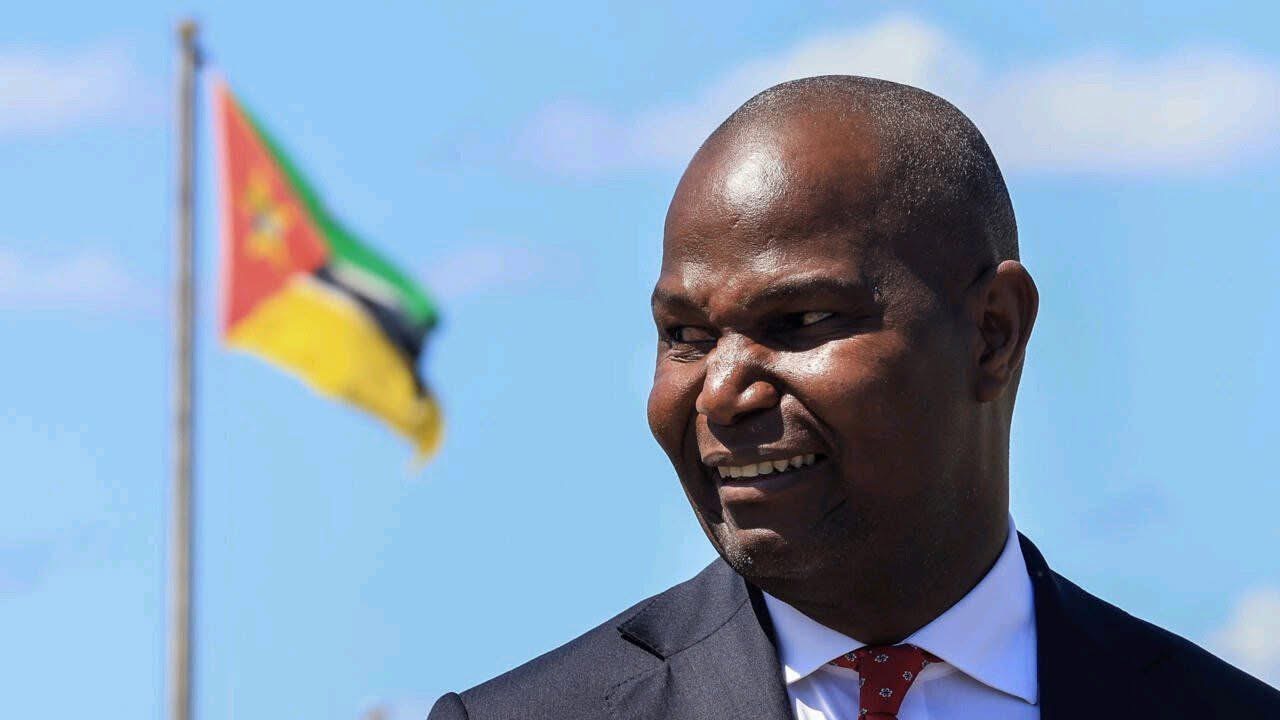
Mozambique’s full repayment of its outstanding obligations to the International Monetary Fund in March 2026 represents a notable development in the country’s evolving fiscal trajectory, with potential implications for both domestic policy space and broader regional financial dynamics.
According to data published by the International Monetary Fund, Mozambique’s credit outstanding, which stood at just over 514 million Special Drawing Rights at the beginning of March 2026, was reduced to zero by the end of the month. Reporting by Agência de Informação de Moçambique confirms that the country was the only one among 85 listed in the Fund’s monthly credit movement report to have fully extinguished its balance within that period.
This development closes a complex chapter in Mozambique’s recent financial engagement with the Bretton Woods institution. In 2022, the IMF approved an Extended Credit Facility arrangement valued at approximately 468 million United States dollars to support macroeconomic stability and structural reform. However, the programme was suspended in April 2025 after four disbursements amounting to roughly 343 million dollars, reflecting concerns over fiscal governance and implementation challenges.



The full repayment of this debt does not erase the structural pressures that have shaped Mozambique’s economic landscape over the past decade. The country continues to contend with the cumulative effects of climate related shocks, including repeated cyclones that have disrupted infrastructure and livelihoods, alongside a protracted insurgency in Cabo Delgado province that has affected investment and energy development. These intersecting pressures have underscored the importance of external financing while also exposing the vulnerabilities associated with it.
Within this context, the clearance of IMF obligations may be understood less as an endpoint and more as a recalibration of Mozambique’s financial positioning. By settling its outstanding liabilities, Maputo potentially strengthens its institutional credibility in future negotiations with multilateral lenders. This could prove consequential as the government explores avenues for renewed financial support to sustain recovery efforts and advance long term development priorities.

From a regional perspective, Mozambique’s repayment also invites reflection on the diverse fiscal strategies being pursued across the African continent. While debt distress remains a central concern for several economies, others are seeking to renegotiate terms, diversify financing sources, or, as in this case, reduce exposure to multilateral debt altogether. These approaches highlight the heterogeneity of African economic governance and the need to situate national developments within broader continental realities rather than singular narratives of vulnerability.
At the same time, analysts caution that the symbolic value of a cleared IMF balance sheet should not be overstated. Sustainable economic resilience will depend on continued reforms, transparent fiscal management, and the capacity to translate resource wealth, particularly from natural gas developments, into inclusive growth. The interplay between sovereignty in economic decision making and engagement with global financial institutions remains a defining feature of this process.
Mozambique’s repayment thus represents a moment of fiscal consolidation that carries both practical and symbolic weight. It signals an effort to reframe external financial relationships on more favourable terms while navigating the enduring challenges that shape the country’s development pathway. In doing so, it contributes to a broader African discourse centred on agency, resilience, and the re articulation of economic narratives grounded in lived realities across the continent.