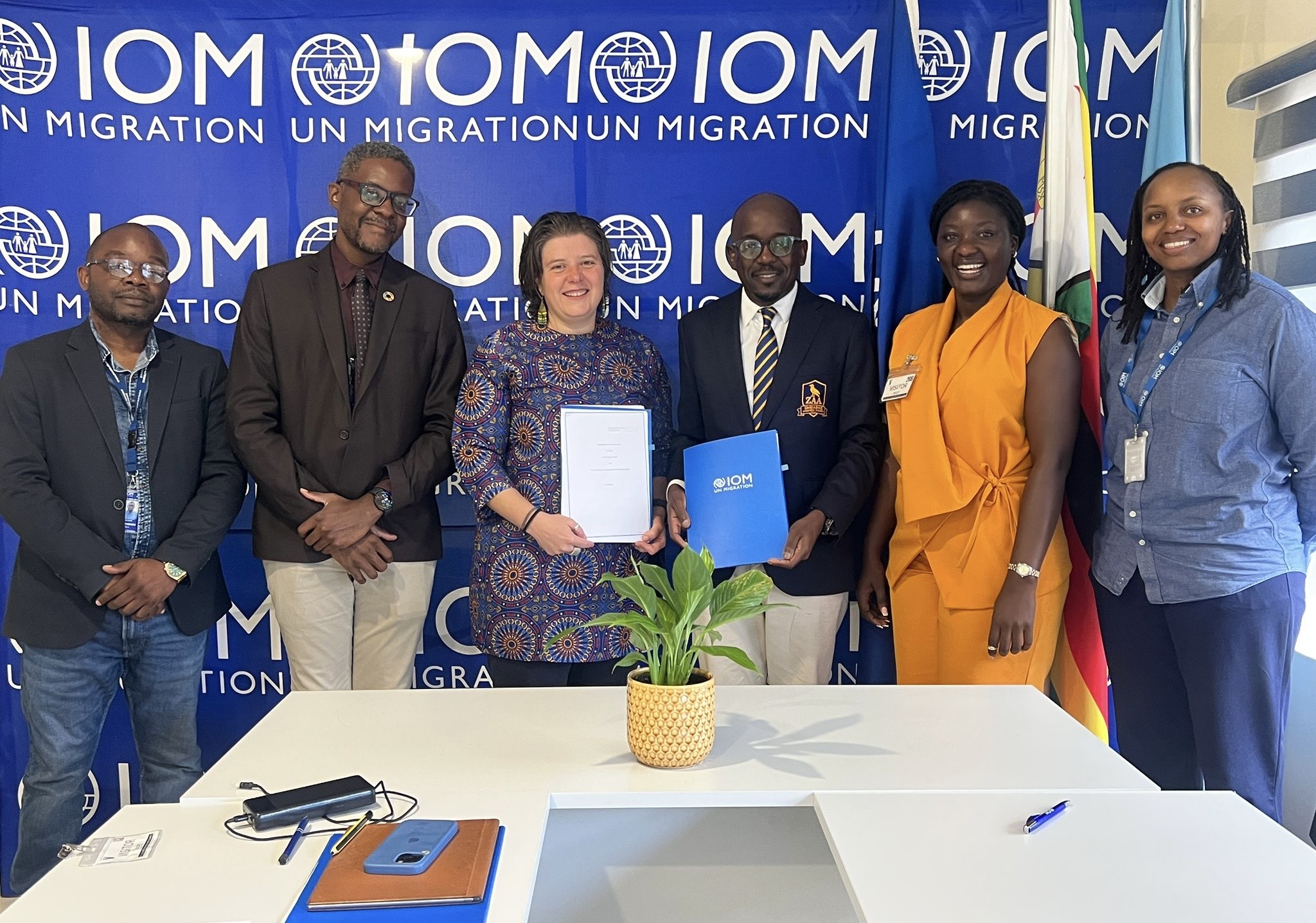
The Zimbabwe Achievers Awards has entered into a formal partnership with the International Organization for Migration, marking a development in ongoing efforts to strengthen diaspora engagement in Zimbabwe and across the region. The agreement, structured as a memorandum of understanding, was signed by Conrad Mwanza, President of the Zimbabwe Achievers Awards, and Diana Cartier, Head of Mission for the International Organization for Migration in Zimbabwe.
The collaboration reflects a convergence of institutional priorities around migration and development. The International Organization for Migration, a United Nations agency, has a longstanding mandate to support safe, orderly and dignified migration while advancing development outcomes. The Zimbabwe Achievers Awards, established to recognise and connect members of the Zimbabwean diaspora, has increasingly positioned itself as a platform for dialogue, investment and transnational collaboration. Further details on both organisations can be accessed through the Zimbabwe Achievers Awards and the International Organization for Migration Zimbabwe.
According to information released at the signing, the memorandum outlines cooperation in areas that include joint diaspora focused initiatives, convening of forums and events, and strengthening communication on migration related issues. It also places emphasis on promoting more balanced and evidence based narratives around migration, particularly those that recognise the contributions of African diasporas to economic and social development.




This partnership emerges within a broader continental context in which remittances, skills transfer and transnational networks continue to play a significant role in shaping development trajectories. Across Africa, diaspora communities are increasingly recognised not only as sources of financial flows but also as actors in knowledge exchange, entrepreneurship and policy dialogue. In Zimbabwe, diaspora remittances have consistently contributed to household incomes and macroeconomic stability, reinforcing the relevance of structured engagement frameworks.
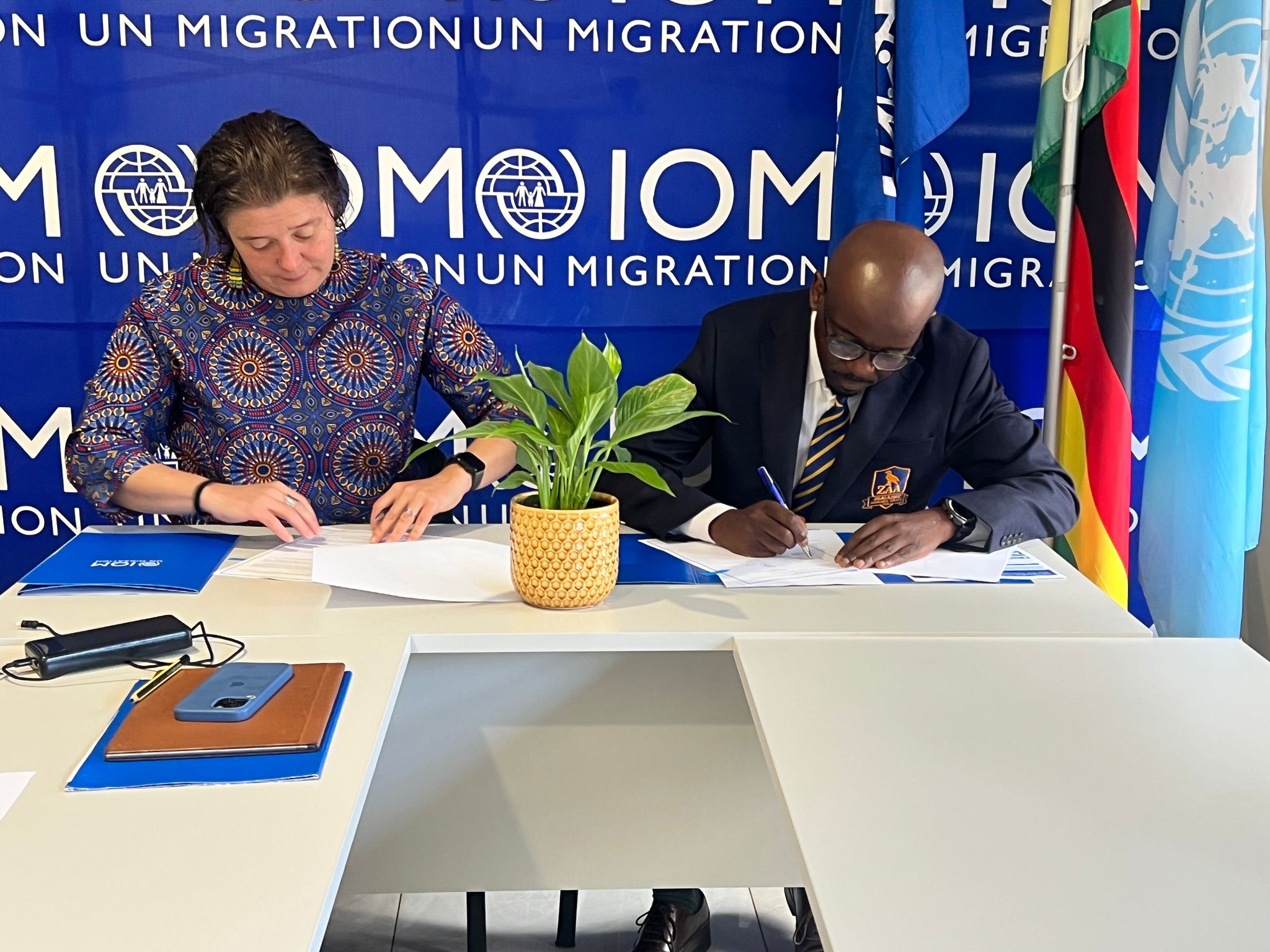
Statements made at the signing reflect a shared institutional framing of diaspora engagement as a development asset. Conrad Mwanza noted that the agreement provides an opportunity to further mobilise Zimbabweans living abroad as contributors to national development processes. Diana Cartier indicated that the collaboration aligns with the International Organization for Migration’s operational priorities, particularly in supporting member states to harness migration for sustainable development.
While the memorandum does not constitute a legally binding treaty, it establishes a framework for coordination and future programming. Its significance lies in its potential to facilitate more systematic engagement between state aligned multilateral actors and diaspora led platforms. Such coordination has often been identified as a gap in migration governance, where fragmented initiatives can limit long term impact.
The agreement also reflects a shifting discourse within African migration policy spaces. Increasingly, there is recognition of the need to move beyond reductive portrayals of migration that focus solely on crisis or loss. Instead, there is a growing emphasis on agency, circularity and the complex ways in which mobility intersects with development. Within this framing, diaspora communities are not positioned as external to national processes but as integral participants in them.
In practical terms, the partnership is expected to support the development of platforms for dialogue and collaboration that extend beyond Zimbabwe’s borders, engaging regional and global stakeholders. This may include convenings that bring together policymakers, private sector actors and diaspora representatives, as well as initiatives aimed at enhancing public understanding of migration dynamics.
The memorandum signals an institutional acknowledgement of the evolving role of diasporas in shaping contemporary African futures. Its outcomes will likely depend on the extent to which proposed initiatives translate into sustained engagement and measurable development outcomes. For now, it represents a formal step towards aligning diaspora networks with broader policy and development agendas in Zimbabwe and the Southern African region.