The Democratic Republic of Congo and South Africa are set to resume formal discussions in April 2026 over the long delayed Inga 3 hydropower project, signalling renewed political and institutional momentum behind one of Africa’s most ambitious energy initiatives. The planned engagement in Kinshasa is expected to revisit existing bilateral arrangements while exploring an expanded electricity trade framework between the two countries.
At the centre of the discussions is a proposal to increase South Africa’s prospective electricity imports from the project from 2,500 megawatts to approximately 5,000 megawatts. This adjustment reflects both South Africa’s ongoing efforts to stabilise its domestic energy supply and a broader regional emphasis on strengthening interconnected power systems through the Southern African Power Pool, a platform designed to facilitate cross border electricity exchange across multiple African states.
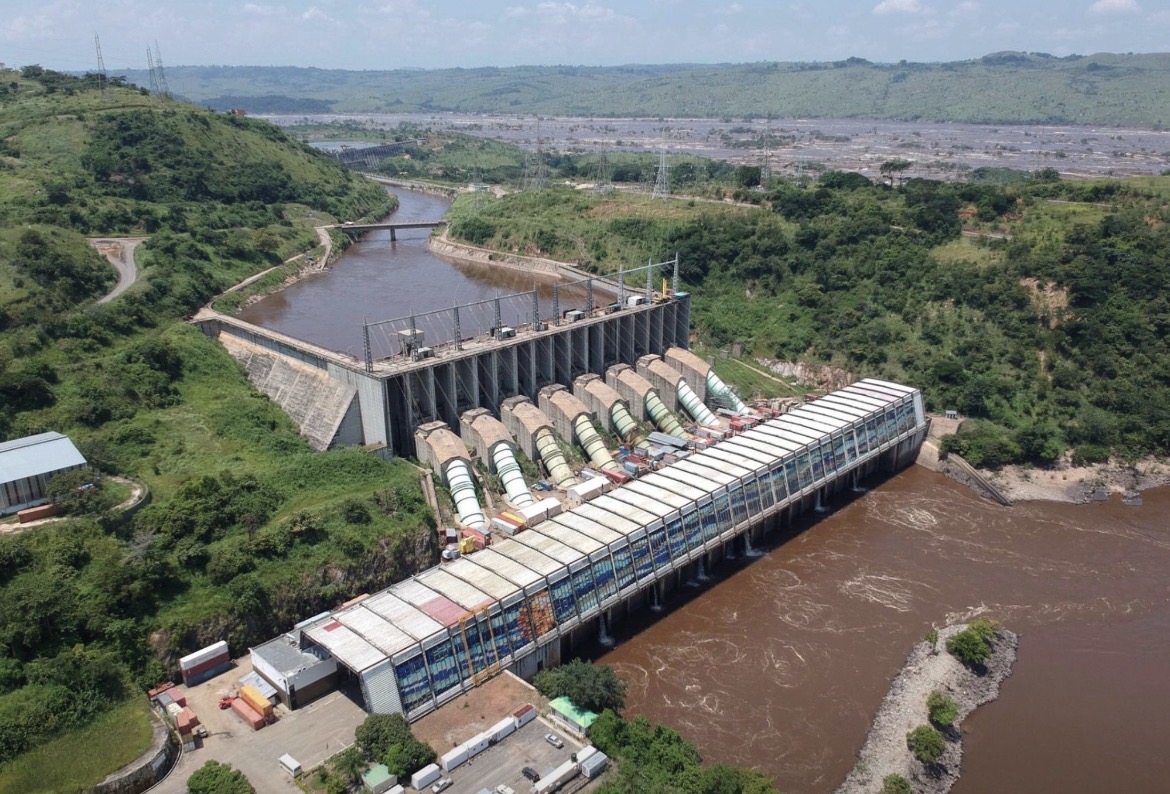
The Inga 3 project forms part of a wider development vision associated with the Grand Inga scheme on the Congo River, a site widely recognised for its substantial hydropower potential. According to the World Bank, the Inga complex represents one of the largest untapped sources of renewable energy globally, with the capacity to contribute significantly to Africa’s long term electricity needs if developed in phases. Current design options for Inga 3 indicate a generation range of between approximately 4,800 megawatts and 11,000 megawatts, depending on the final configuration adopted.



Recent developments suggest a gradual consolidation of technical and financial support for preparatory phases of the project. The World Bank has committed up to 1 billion US dollars over a ten year period under its Inga 3 Development Programme, with initial funding approved in 2025 to support feasibility studies, environmental assessments, and social safeguard planning. In parallel, the Agence Française de Développement entered into a memorandum of understanding with the Democratic Republic of Congo in early 2026, aimed at strengthening institutional capacity and advancing technical coordination.

Despite these advances, the project remains at a pre investment stage. The overall cost of Inga 3 is estimated to exceed 10 billion US dollars, with additional transmission infrastructure likely to raise total expenditure further. Proposed timelines remain indicative, with construction frequently projected to begin between 2028 and 2032, and initial electricity generation anticipated in the subsequent decade, subject to financing arrangements and final approvals.
The potential impact of the project extends beyond bilateral cooperation. If realised, Inga 3 could contribute to reshaping regional electricity flows across central, eastern, and southern Africa, supporting industrial development, urbanisation, and broader economic integration. Its scale has positioned it as a cornerstone within continental discussions on energy transition pathways that prioritise both renewable resources and regional collaboration.
At the same time, the project continues to generate discussion among policymakers, civil society organisations, and affected communities. Key considerations include the environmental implications for the Congo River ecosystem, the management of social impacts such as population displacement, and the equitable distribution of benefits within the Democratic Republic of Congo. Previous iterations of the project have encountered delays linked to governance frameworks, investor confidence, and alignment among stakeholders, highlighting the complexity of delivering infrastructure at this scale.
The forthcoming talks between the Democratic Republic of Congo and South Africa therefore reflect both continuity and reassessment. While the technical ambition of Inga 3 remains unchanged, its future trajectory will likely depend on how effectively it reconciles regional energy needs with local realities, financial sustainability, and inclusive development objectives. In this regard, the project continues to embody both the promise and the challenges associated with large scale infrastructure development across the African continent.