Mozambique’s flagship aluminium smelter, Mozal, has suspended production after failing to secure electricity at a price deemed viable for continued operations, underscoring structural challenges in Southern Africa’s energy intensive industries and their interdependence with regional power systems.
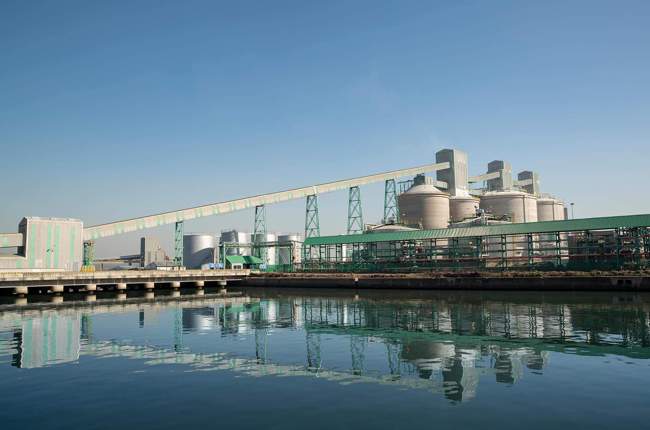
Located near Maputo and majority owned by the Australian mining group South32, Mozal has for over two decades been a central pillar of Mozambique’s industrial economy. The facility requires approximately 960 megawatts of electricity to operate at full capacity, a demand that exceeds current supply capabilities within the region. According to reporting by Xinhua, negotiations to secure electricity beyond the expiry of its existing agreement in March 2026 did not yield a pricing structure that would allow the smelter to remain internationally competitive.
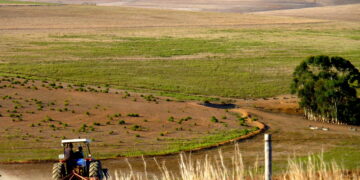
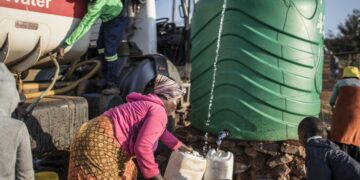
The constraints reflect a convergence of regional energy pressures. Mozambique’s Cahora Bassa hydropower system, historically a cornerstone of electricity supply in Southern Africa, has faced reduced output linked in part to drought conditions affecting water levels. At the same time, South Africa’s state utility Eskom, itself contending with generation shortfalls and infrastructure strain, has indicated it is unable to meet Mozal’s additional demand. These dynamics highlight the interconnected nature of energy systems across the Southern African Power Pool and the vulnerability of large industrial consumers to climatic variability and infrastructural limitations.



Mozal confirmed that it has transitioned into a care and maintenance phase, halting the production and export of aluminium ingots. While such a status preserves the facility for potential future restart, local reporting suggests that resumption of operations could take at least twelve months, contingent on the availability of competitively priced electricity and broader market conditions.
The economic implications are expected to be significant. Mozal has been one of Mozambique’s largest sources of export revenue and is estimated to account for roughly 40 percent of industrial output in Maputo Province. Government spokesperson Inocencio Impissa noted that the suspension could directly affect approximately 1100 workers, with a further 5000 livelihoods linked indirectly through supply chains and associated services. These figures illustrate the broader social and economic footprint of large scale industrial projects in the region, where employment ecosystems often extend well beyond the immediate site of production.
From a continental perspective, the situation reflects ongoing tensions between industrialisation ambitions and infrastructural realities. Aluminium smelting is among the most electricity intensive industrial processes globally, and its viability is closely tied to stable and affordable energy supply. Across Africa, countries seeking to move up value chains in mineral processing face similar constraints, balancing export driven industrial strategies with the need to expand and climate proof energy systems.

Mozambique’s position as one of Africa’s leading aluminium producers has been closely associated with Mozal’s operations, which began in the early 2000s as a flagship post war investment. The current suspension therefore raises broader questions about the sustainability of such anchor projects in contexts where energy systems remain vulnerable to both environmental shocks and regional supply imbalances.
At the same time, the development invites a more nuanced reading that situates Mozambique within a wider African discourse on resource governance, industrial policy and energy sovereignty. Rather than a singular narrative of disruption, the moment reflects an inflection point at which long term strategies around renewable energy diversification, regional power integration and industrial resilience may be reassessed.
No alternative operator has yet been identified for the facility, and discussions between stakeholders are expected to continue. The trajectory of Mozal will likely depend not only on tariff negotiations but also on the evolution of Southern Africa’s energy landscape and the capacity of regional institutions to align industrial demand with sustainable supply.