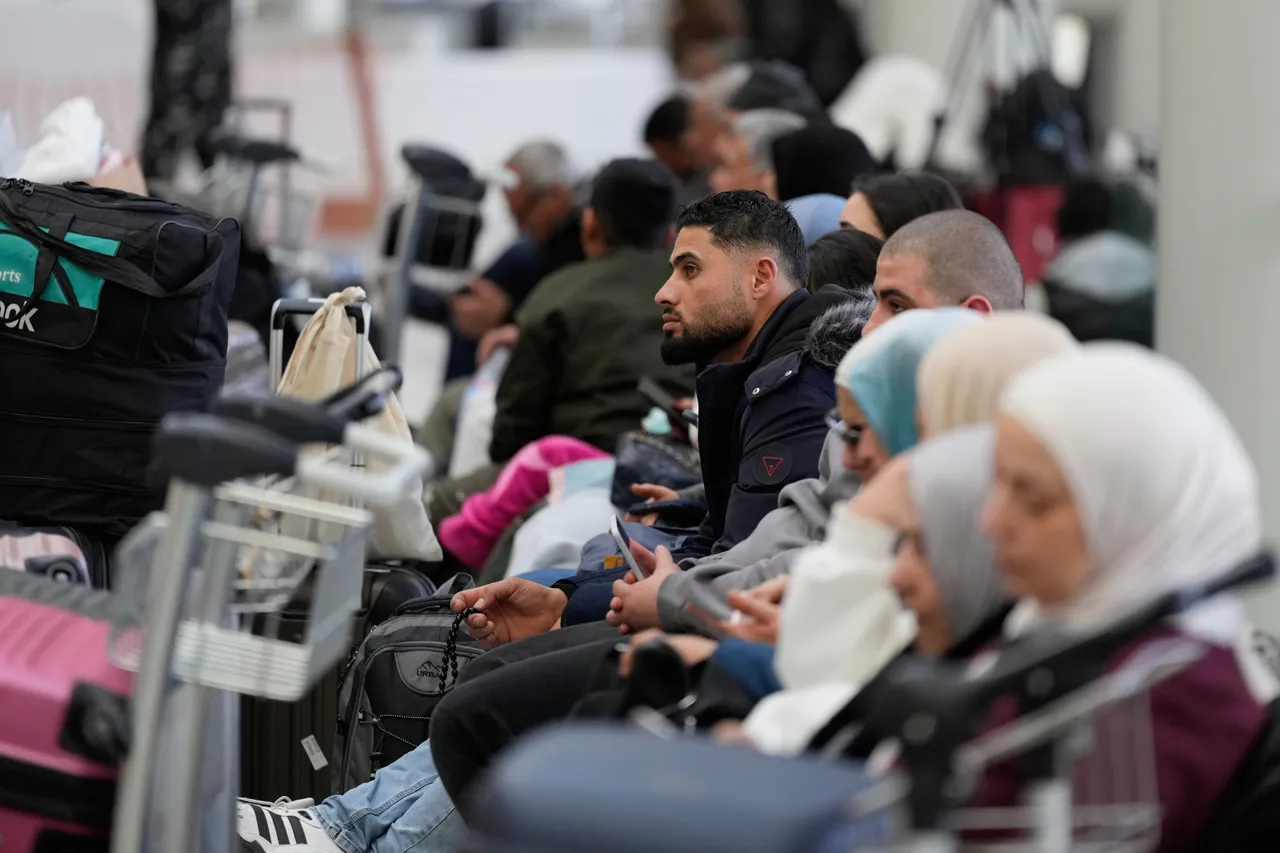
The Government of Zambia has initiated preparations to evacuate its nationals from parts of the Middle East following a sharp deterioration in regional security conditions linked to escalating hostilities involving Iran, Israel and the United States.
Addressing parliament in Lusaka, Minister of Foreign Affairs and International Cooperation Mulambo Haimbe confirmed that authorities have begun coordinating evacuation measures for Zambian citizens living in countries affected by the conflict. The ministry is currently responding to an urgent case involving a Zambian family of five residing in Iraq’s Kurdistan region, where arrangements are being considered to facilitate their safe departure.
According to the minister, Zambian diplomatic missions in the region are working closely with relevant partners to establish safe transit routes while monitoring the rapidly evolving security situation. Preparations are being coordinated through Zambia’s diplomatic representations in Cairo and Ankara, which are assessing possible evacuation corridors and logistical requirements.



Haimbe also stated that officials are attempting to establish contact with a Zambian national believed to be residing in Iran, as authorities seek to verify their situation and ensure appropriate support if required.
The government said it has not received any confirmed reports of injuries or fatalities involving Zambian nationals since the escalation began.

Regional tensions intensified after coordinated United States and Israeli strikes targeted sites in Iran. According to reporting by Reuters, the strikes reportedly killed Iran’s Supreme Leader Ayatollah Ali Khamenei along with senior military figures and civilians, a development that has further destabilised an already fragile geopolitical environment. Iranian authorities subsequently launched missile and drone attacks directed at Israel and several United States military installations across the Middle East, according to coverage by Al Jazeera and The New York Times.
The rapidly unfolding confrontation has raised concerns among governments across the world about the safety of their nationals in the region. Several states have begun reviewing contingency plans to assist citizens should the conflict widen.
For Zambia, the situation highlights the broader realities of an increasingly interconnected world in which African citizens live, study and work across multiple regions. Haimbe noted that Zambians are present in several Middle Eastern countries, including students, professionals and diplomatic personnel, making coordination between embassies and government departments essential.
All Zambian missions in the region have been instructed to update registers of citizens under their jurisdiction, maintain regular communication with nationals and submit detailed evacuation scenarios outlining possible costs and logistical considerations.
The measures, officials say, are precautionary but necessary in a volatile security environment.
African governments have increasingly prioritised the welfare of their diaspora communities, particularly in times of international crisis. Zambia’s response reflects a broader continental recognition that African citizens abroad remain an integral part of national and regional communities whose safety and dignity require consistent diplomatic attention.
While the situation continues to develop, Lusaka has emphasised that its approach remains centred on safeguarding citizens while working through diplomatic channels and international partners to ensure safe passage where necessary.
Officials say further updates will be provided as assessments of the security situation continue and as authorities verify the locations and needs of Zambian nationals across the affected region.