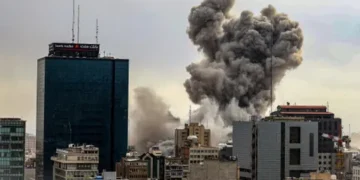
The intensification of hostilities between the United States, Israel and Iran has generated significant diplomatic reverberations across Africa, exposing the varied strategic calculations that shape the continent’s engagement with global power politics. As military exchanges continue to affect the Gulf region and shipping routes surrounding the Strait of Hormuz, African governments are articulating responses that reflect geography, economic exposure, diaspora connections and differing interpretations of international law.
In the Horn of Africa, official reactions have tended to align closely with Gulf states that host large African migrant communities and maintain deep commercial and security relationships across the Red Sea corridor. Authorities in Somaliland condemned Iranian strikes on Gulf countries, framing their position in terms of sovereignty and regional stability. This stance is consistent with Somaliland’s expanding economic partnership with the United Arab Emirates, particularly regarding the development of Berbera Port. Israel’s recognition of Somaliland has further reshaped diplomatic dynamics in the region, adding to a complex matrix of political incentives tied to recognition, investment and security cooperation.
Somalia expressed solidarity with several Gulf states affected by Iranian retaliation, while its diplomatic language reflected existing sensitivities in relations with the United Arab Emirates. Ethiopia’s leadership publicly condemned attacks on Kuwait and reaffirmed support for Gulf stability. For Addis Ababa, the issue carries economic significance. Millions of Ethiopians reside and work in Gulf countries, and remittances represent a vital source of foreign exchange. According to the World Bank, remittance inflows form a substantial component of GDP in several African economies, reinforcing the interdependence between African labour markets and Gulf economic structures.



Kenya adopted one of the clearest positions in condemning strikes on Gulf states and warning that further escalation risks destabilising international peace and security. Nairobi maintains close security cooperation with Western governments and longstanding diplomatic and trade relations with Gulf monarchies. Maritime security in the Red Sea and the protection of commercial shipping lanes remain central to Kenya’s broader strategic calculations, particularly given the importance of Indian Ocean trade routes to East African economies.
Further south, responses have emphasised international legal principles. South Africa framed its position through reference to Article 51 of the United Nations Charter, which addresses the inherent right of self defence. Pretoria reiterated that anticipatory self defence remains contested within international law and underscored the necessity of multilateral authorisation for the use of force. South Africa’s emphasis on legal norms aligns with its longstanding foreign policy orientation, which frequently foregrounds multilateralism and rule based order as safeguards for smaller states within an unequal international system.
Senegal articulated similar concerns regarding unilateral military action undertaken without explicit United Nations mandate. Dakar’s position reflects a broader African diplomatic tradition that regards international law as both normative principle and strategic shield. For many African states, adherence to multilateral frameworks is intertwined with historical experience of external intervention and the defence of sovereignty.

In West Africa, caution has predominated. Nigeria called for restraint and strict adherence to international law without directly attributing responsibility to any single actor. Abuja’s position reflects a balancing act shaped by security cooperation with Western partners, commercial engagement with Gulf states and a complex domestic social fabric sensitive to Middle Eastern developments. Ghana and The Gambia adopted similarly measured language, focusing on de escalation and the safety of their nationals abroad.
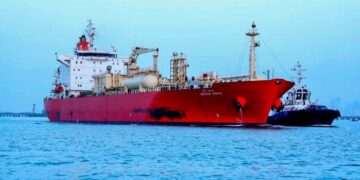
Economic exposure remains a central concern across the continent. The Strait of Hormuz is a critical artery for global energy flows, and any sustained disruption has implications for fuel prices, inflation and currency stability in net importing African economies. Recent market analysis reported by international financial observers has indicated that oil prices are highly responsive to developments affecting Hormuz shipping lanes. Oxford Economics has cautioned that immediate risks to African states are likely to be concentrated in higher oil prices and exchange rate pressures.
At the same time, oil exporting African countries such as Nigeria and Angola could experience short term fiscal relief from elevated prices, illustrating the uneven distribution of economic consequences across the continent. SBM Intelligence, a Lagos based risk consultancy, has observed that tactical military developments may not preclude prolonged asymmetric responses, which could extend uncertainty in global energy and shipping markets.
Security analysts have also noted that installations associated with external powers could become symbolic targets in an expanded conflict environment. Developments relating to the Chagos Archipelago, including negotiations concerning sovereignty and the status of the Diego Garcia base, have attracted renewed scrutiny within the context of broader Indian Ocean geopolitics. These debates intersect with continental discussions on decolonisation and territorial integrity.
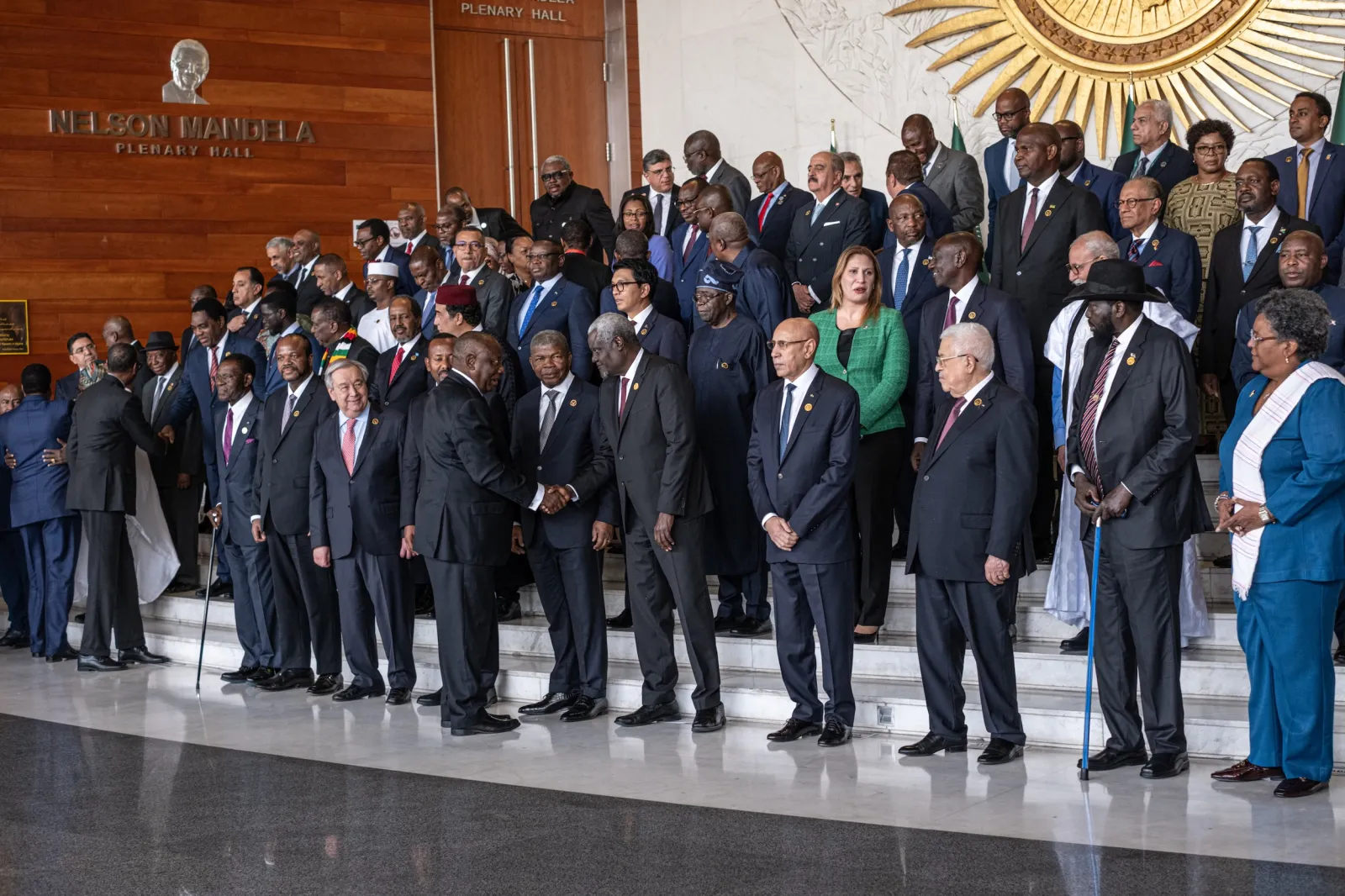
The African Union, established in 2002 as the successor to the Organisation of African Unity, has consistently affirmed principles of sovereignty, peaceful dispute resolution and non interference. While individual member states have articulated differentiated responses to the present crisis, these shared principles continue to inform continental diplomacy.
Africa’s reactions to the conflict reveal neither uniform alignment nor passive observation. Rather, they demonstrate a spectrum of strategic positioning shaped by economic interdependence, security cooperation, normative commitments and domestic political considerations. The diversity of responses underscores the continent’s agency in navigating a turbulent international environment. For African governments, the present crisis is not only a distant geopolitical contest but a development with tangible implications for livelihoods, fiscal stability and regional security. In responding, African states are balancing principle and pragmatism within an evolving global order.