Friday, April 17, 2026
  • Login
The Southern African Times
  • Home
  • Southern Africa
  • Business
    • African Start ups
    • African Continental Free Trade Area
  • Technology
    • Lifestyle
      • Health
      • Culture
      • Food and Drink
      • Entertainment
  • Opinion
  • Sports
  • SAT Jobs
    • Events
  • About Us
    • Advertise with Us
    • Contact Us
No Result
View All Result
  • Home
  • Southern Africa
  • Business
    • African Start ups
    • African Continental Free Trade Area
  • Technology
    • Lifestyle
      • Health
      • Culture
      • Food and Drink
      • Entertainment
  • Opinion
  • Sports
  • SAT Jobs
    • Events
  • About Us
    • Advertise with Us
    • Contact Us
No Result
View All Result
The Southern African Times
No Result
View All Result
Home in Southern Africa

Namibia Fast-Tracks Cyber Laws and Rural 5G Expansion

by SAT Reporter
January 27, 2026
in in Southern Africa, Namibia
0
Namibia Fast-Tracks Cyber Laws and Rural 5G Expansion

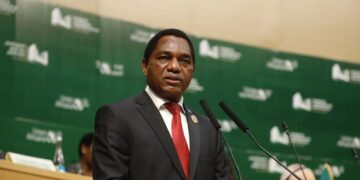
Namibia’s Minister Emma Theofelus

Namibia has announced the acceleration of its national legislative framework to address the growing threat of cybercrime while also committing to the expansion of digital connectivity in rural regions. Speaking in Windhoek during the Ministry of Information and Communication Technology’s annual staff engagement, Minister Emma Theofelus confirmed that the government will resume stakeholder consultations on the draft Cybercrime Bill on 2 February. The bill, which is undergoing a multi-stakeholder review process, is expected to comprehensively address technology-facilitated offences including online harassment, cyberstalking, image-based abuse and the emergent challenges associated with deepfake technologies.

The minister underscored that the legislation will be particularly responsive to issues of gender-based violence, aligning with broader continental efforts to leverage policy as a tool for safeguarding vulnerable populations in digital spaces. This marks a deliberate shift towards more inclusive digital governance that prioritises both security and dignity, reflecting the growing recognition across Africa that digital rights are inherently linked to human rights.

Complementing the cybersecurity agenda, Namibia’s Data Protection Bill has reportedly completed its consultative phase. According to the ministry, the draft is now positioned for resubmission to the Cabinet Committee on Legislation before being tabled in Parliament. The emphasis on data protection reflects a regional and global understanding of privacy as a cornerstone of digital development, especially as African states continue to experience rapid digitalisation. The move also echoes efforts by other African nations such as Kenya, Ghana and Rwanda, who have recently passed or revised their data governance frameworks to safeguard citizen data from misuse and breaches.


ADVERTISEMENT

Beyond regulatory developments, Namibia is also taking substantive strides towards digital equity through infrastructure investment. Over the past two years, the country’s Universal Service Fund has been capitalised with 80 million Namibian dollars, approximately 5 million United States dollars, aimed at addressing systemic connectivity gaps in underserved regions. This financial commitment has already enabled the construction of nine telecommunications towers in rural areas, each offering free internet access to public schools and health clinics within their reach for a period of seven years.

These efforts are complemented by the work of Telecom Namibia, the state-owned telecommunications operator, which has deployed approximately 80 mobile sites under its mobile network expansion project. The fibre-to-home rollout programme, also spearheaded by Telecom Namibia, is reportedly nearing completion. The convergence of these initiatives is consistent with Namibia’s national 5G strategy and aligns with continental objectives articulated under the African Union’s Digital Transformation Strategy, which aspires to universal access to affordable broadband across the continent by 2030.

The planned launch of 5G services in Namibia represents a critical step in achieving this ambition. However, beyond technological sophistication, the government’s approach appears rooted in the recognition that connectivity must be people-centred and development-oriented. By providing infrastructure that facilitates access to essential services in rural communities, the state is working to embed digital inclusion within its national development paradigm.

Minister Theofelus also announced the return of the National ICT Summit in 2026. The forthcoming iteration of the summit will feature a reimagined format, incorporating the National Mega Hackathon to foster innovation among Namibian youth. This approach signals a shift from viewing youth as passive beneficiaries of digital policy to recognising them as active co-creators of the continent’s digital futures. It also reflects broader pan-African sentiments advocating for endogenous innovation ecosystems that challenge extractive digital models and instead prioritise context-specific solutions to local challenges.

The evolving ICT agenda in Namibia is not occurring in isolation. It forms part of a larger continental push to establish African-led governance models that are resilient, inclusive and adaptable to the complexities of the digital age. By foregrounding both legislative reform and infrastructural investment, Namibia joins a growing cohort of African states working to ensure that technological advancement is underpinned by ethical frameworks and public interest mandates.

This dual emphasis on protection and provision, on rights and infrastructure, represents a more holistic approach to digital development. It challenges narrow techno-deterministic narratives often imposed externally and instead centres an African epistemology of care, sovereignty and responsibility in the digital sphere.


Tags: 5G connectivityAfrican digital transformationAfrican governanceAfrican innovationcybercrime legislationdata protectiondigital inclusionEmma Theofelusgender-based violenceICT infrastructureICT policyNamibiapublic policyRural Developmenttechnology in AfricaTelecom NamibiaUniversal Service Fund
Previous Post

Sudanese Forces Reclaim Dilling, Ending Two-Year Siege

Next Post

African Debt Flows to China Now Outpace New Loans, but Scholars Urge Nuance in Interpreting Trend

SAT Reporter

Related Posts

Julius Malema Sentenced to Five Years in Firearm discharge case
South Africa

Julius Malema Sentenced to Five Years in Firearm discharge case

by Leo Muzivoreva
April 16, 2026
Namibia Reports Significant Decline in Wildlife Crime Following Intensified Enforcement
Conservation

Namibia Reports Significant Decline in Wildlife Crime Following Intensified Enforcement

by SAT Reporter
April 12, 2026
Zambia Maintains Fertiliser Stability Despite Global Disruptions
in Southern Africa

Zambia Maintains Fertiliser Stability Despite Global Disruptions

by SAT Reporter
April 12, 2026
4,496 South Africans Admitted as US Refugees in Six Months
in Southern Africa

4,496 South Africans Admitted as US Refugees in Six Months

by SAT Reporter
April 12, 2026
Flooding Halts Rail Traffic Along Angola’s Lobito Corridor
Angola

Flooding Halts Rail Traffic Along Angola’s Lobito Corridor

by SAT Reporter
April 12, 2026
Next Post
African Debt Flows to China Now Outpace New Loans, but Scholars Urge Nuance in Interpreting Trend

African Debt Flows to China Now Outpace New Loans, but Scholars Urge Nuance in Interpreting Trend

Browse by Category

  • Africa AI
  • African Continental Free Trade Area
  • African Debt
  • African Start ups
  • Agriculture
  • AI Africa
  • Algeria
  • All News
  • Analysis
  • Angola
  • Arts / Culture
  • Asia
  • Botswana
  • BOTSWANA
  • BREAKING NEWS
  • BRICS
  • Burkina Faso
  • Burundi
  • Business
  • Business
  • Business Wire
  • Cameroon
  • Central Africa
  • Chad
  • China
  • Climate Change
  • Climate Changev
  • Community
  • Congo Republic
  • Conservation
  • Côte d’Ivoire
  • COVID 19
  • CRYPTOCURRENCY
  • Culture
  • Democratic Republic of Congo
  • Diplomacy
  • Eastern Africa
  • Economic Development
  • Economy
  • Education
  • Egypt
  • Elections 2024
  • Energy
  • Entertainment
  • Environment
  • Eritrea
  • Ethiopia
  • Europe
  • Fashion
  • Feature
  • Finance
  • Financial Inclusion
  • Food
  • Food and Drink
  • Foods
  • GABON
  • Ghana
  • Global
  • Global Africa
  • Guinea
  • Health
  • Immigration
  • in Southern Africa
  • International news
  • International Relations
  • Ivory Coast
  • Just In
  • Kenya
  • Lesotho
  • Libya
  • Life Style
  • Lifestyle
  • Literature
  • Malawi
  • Malawi
  • Mali
  • Markets
  • Mauritius
  • Middle East
  • Mining in Africa
  • Morocco
  • Mozambique
  • Namibia
  • Niger
  • niger
  • Nigeria
  • North Africa
  • North-Eastern Africa
  • Obituaries
  • Obituary
  • Opinion
  • PARTNER CONTENT
  • Politics
  • Property
  • Racism
  • Rwanda
  • Rwanda
  • SADC
  • SAT Interviews
  • SAT Investigation
  • SAT Jobs
  • Saudi Arabia
  • Senegal
  • Seychelles
  • South Africa
  • South Sudan
  • Sports
  • Startup Africa
  • STOCK EXCHANGE
  • Sudan
  • Sustainability
  • Sustainablity
  • Tanzania
  • Technology
  • Telecommunications
  • The Editorial Board
  • The Power Of She
  • Togo
  • Trade
  • Travel
  • Travel
  • Tunisia
  • Uganda
  • Uncategorized
  • Wealth
  • West Africa
  • World
  • World
  • Zambia
  • ZAMBIA
  • ZIMBABWE
  • Zimbabwe

Browse by Tags

#NewsUpdate #SouthAfrica #SouthernAfricanTimes #TheSouthernAfricanTimes AfCFTA africa African Continental Free Trade Area African development African Development Bank African economies African economy African Union Agriculture Angola Botswana Business China Climate change Cyril Ramaphosa Economic Development economic growth energy transition fiscal policy food security industrialisation Inflation Infrastructure Development International relations Investment Kenya Mozambique Namibia news Nigeria Regional Integration renewable energy Rwanda SADC South Africa Southern Africa sustainable development Tanzania United States Zambia Zimbabwe
ADVERTISEMENT

WHO WE ARE

The Southern African Times is a regional bloc digital newspaper that covers Southern African and world news. The paper also gives a nuanced analysis on news and covers a wide range of reporting which include sports, entertainment, foreign affairs, arts and culture.

Welcome Back!

Login to your account below

Forgotten Password?

Retrieve your password

Please enter your username or email address to reset your password.

Log In

  • Home
  • Southern Africa
  • Business
    • African Start ups
    • African Continental Free Trade Area
  • Technology
    • Lifestyle
      • Health
      • Culture
      • Food and Drink
      • Entertainment
  • Opinion
  • Sports
  • SAT Jobs
    • Events
  • About Us
    • Advertise with Us
    • Contact Us
Are you sure want to unlock this post?
Unlock left : 0
Are you sure want to cancel subscription?