A Canadian mining company is preparing to restart graphite production in Namibia as global competition intensifies around the supply chains that underpin electric vehicles and energy storage technologies.
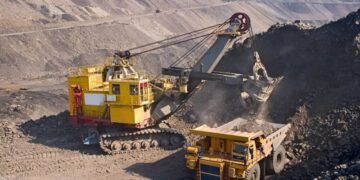
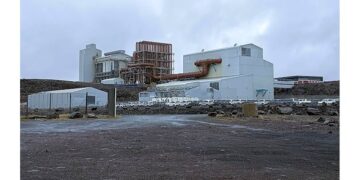
Northern Graphite has confirmed that it intends to resume operations at the Okanjande graphite mine in central Namibia by the end of next year, following several years under care and maintenance. The mine, which began production in 2016, was placed on hold in 2018 amid unfavourable market conditions. Northern Graphite acquired the asset from French industrial minerals group Imerys in 2022 and has since been advancing plans to bring it back into production.
Graphite is a critical mineral in lithium ion batteries, forming the bulk of the anode material used in electric vehicles, grid storage systems and consumer electronics. While Africa holds a significant share of the world’s natural graphite reserves, the continent remains underrepresented in the higher value stages of battery manufacturing. Namibia joins countries such as Mozambique, Madagascar and Tanzania in hosting commercially viable graphite deposits, placing it within a rapidly evolving global minerals landscape.



The decision to restart Okanjande follows Northern Graphite’s agreement with Saudi Arabia based Al Obeikan Group to develop a battery anode material plant in the kingdom. The proposed facility, to be built at Yanbu Industrial City on the Red Sea coast, is expected to cost approximately 200 million dollars and will rely on graphite concentrate supplied from Namibia. Once operational, Okanjande is projected to deliver around 50,000 tonnes of concentrate annually to the Saudi facility, where it will be refined into high purity anode material for battery manufacturers.
Northern Graphite has indicated that it will invest around 35 million dollars to restart the Namibian mine. Planned upgrades include the construction of a new tailings storage facility, the installation of a solar power plant to support operations, and improvements to water infrastructure. The company estimates that between 200 and 300 jobs will be created locally during operations, a development that aligns with Namibia’s broader objectives around mining led industrial participation and employment.
The company has stated that initial processing will take place in Namibia, with ore containing approximately 5 to 6 percent graphite upgraded on site to a concentrate of around 96 to 97 percent purity. This intermediate processing step allows a degree of value addition to remain within the country, even as further refinement is carried out elsewhere.
Northern Graphite has acknowledged that it assessed the feasibility of locating the anode material plant in southern Africa, including Namibia, before opting for Saudi Arabia. According to the company, the energy and water requirements of a battery anode facility exceed what is currently available at competitive cost in Namibia. Industry estimates suggest such a plant would require in excess of 60 megawatts of continuous power, alongside substantial volumes of water and specialised chemical inputs such as hydrofluoric acid, all of which are more readily accessible within established industrial zones in the Gulf.
Saudi Arabia’s push into battery materials forms part of its wider industrial diversification strategy under Vision 2030, which seeks to reduce reliance on hydrocarbons while positioning the country within emerging clean energy value chains. For African producers, this evolving geography of demand presents both opportunity and constraint. While mineral rich countries such as Namibia remain central to supply, downstream processing and manufacturing continue to gravitate towards regions with deeper infrastructure, capital pools and integrated industrial ecosystems.
The Okanjande restart highlights the structural challenges facing African mining economies as they seek to move beyond extraction into higher value activities. It also underscores the importance of viewing Africa’s role in the energy transition not as peripheral, but as materially foundational. The graphite extracted from Namibian soil will ultimately underpin technologies shaping mobility and energy systems across multiple continents.
For Namibia, the project represents a renewed contribution to global supply chains at a moment of heightened strategic competition over critical minerals. For Africa more broadly, it reinforces the need for long term investment in energy, water and industrial capacity if the continent is to capture a greater share of value from its mineral endowments. The reopening of Okanjande does not resolve these tensions, but it situates Namibia firmly within a global conversation about resources, development and the uneven geographies of the energy transition.