

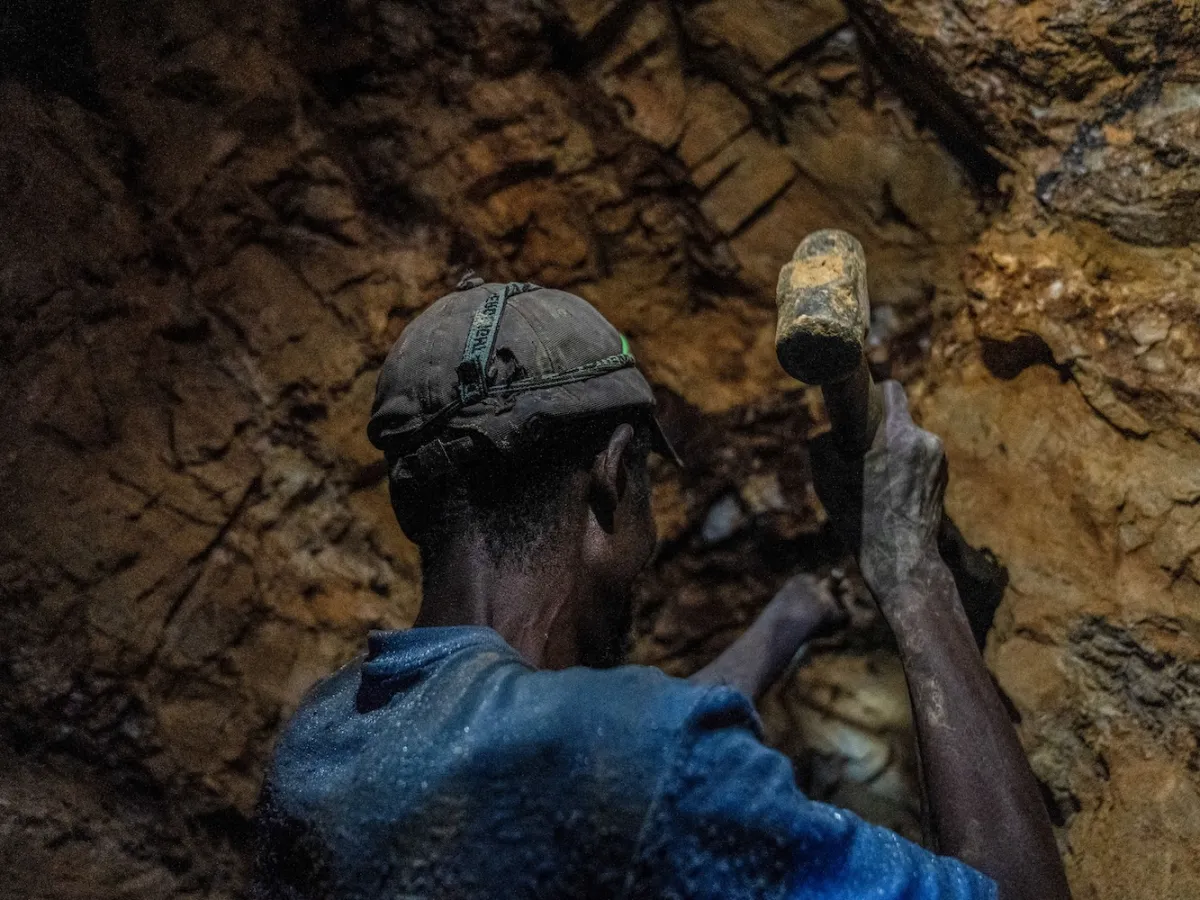
Anew financing instrument designed to integrate artisanal and small scale miners into formal supply chains is set to be piloted in Zambia, reflecting a broader continental effort to reconfigure how mineral wealth is governed, distributed and accounted for.
The proposed stakeholder prosperity bond, developed by advisory firm Veridicor in partnership with Zambia based Metalex Commodities, aims to raise between 100 million and 200 million dollars by the end of the year. The initiative is intended to support the formal integration of artisanal miners through regulated offtake agreements, shared infrastructure and access to equipment.
Artisanal and small scale mining remains a significant source of livelihood across the African continent. Estimates frequently cited in policy and academic literature suggest that the sector supports tens of millions directly and many more indirectly. Yet it continues to operate largely outside formal regulatory systems, limiting state revenues, complicating environmental oversight and often placing miners in precarious economic positions within fragmented supply chains.



The proposed bond introduces a model in which investor returns are linked not to production volumes but to measurable social and environmental outcomes. These include improved labour conditions, reduced environmental harm and enhanced local economic participation. Industrial mining companies are expected to anchor the structure, providing balance sheet support while benefiting from more predictable and transparent sourcing arrangements.
Research across sub Saharan Africa has long pointed to both the potential and the limitations of formalisation efforts. Studies such as Hilson (2020) on the so called Zambia model and subsequent analyses of formalisation frameworks emphasise that while structured integration can improve traceability and state revenues, outcomes depend heavily on governance capacity, access to finance and the inclusivity of policy design. Other work examining Zambia and comparable jurisdictions has noted that formalisation benefits are often unevenly distributed when not accompanied by institutional support and fair market access.
In Zambia, Africa’s second largest copper producer, the presence of artisanal miners within and around industrial concessions has historically created tensions over land use, environmental management and revenue capture. The bond model seeks to reposition these relationships by incorporating artisanal miners into formal supply chains rather than excluding them. Metalex has indicated that it intends to source up to 30 percent of its ore from trained and licensed local miners, suggesting a shift towards hybrid production systems.
The implications extend beyond Zambia. In Zimbabwe, artisanal mining has become central to gold production, contributing a substantial share of national output in recent years. Academic and policy analyses of Zimbabwe’s mining sector have highlighted both the resilience of artisanal networks and the persistent challenges of informality, including unsafe working conditions and limited fiscal capture. Formalisation pathways, including cooperative models and structured offtake arrangements, have been proposed as mechanisms to stabilise incomes and improve regulatory compliance, though implementation has remained uneven.

A financing mechanism that links capital flows to social outcomes may offer an alternative pathway. By embedding accountability within financial structures, such instruments could complement existing regulatory reforms. At the same time, research cautions that financial innovation alone cannot address structural issues such as land access, bureaucratic barriers and market asymmetries that shape artisanal mining economies.
In South Africa, where the mining sector is more industrialised but continues to face unemployment and declining output in certain segments, there is growing interest in how formalised small scale mining could contribute to job creation. Studies on regional labour dynamics suggest that integrating informal miners into legal value chains, supported by training and infrastructure, may provide employment opportunities while reducing illicit activity. However, this would require regulatory adaptation and alignment with existing labour and environmental frameworks.
The emergence of sustainability linked bonds focused on artisanal mining reflects a broader shift in how development finance engages with extractive sectors. Rather than viewing informality solely as a problem to be eradicated, there is increasing recognition of its embeddedness in local economies and its potential role within more inclusive and accountable production systems.
Whether the Zambian pilot can deliver on its stated objectives will depend on execution, transparency and the extent to which local communities are meaningfully included in decision making processes. As similar models are considered in countries such as the Democratic Republic of Congo and Ghana, the initiative may serve as a test case for rethinking how Africa’s mineral wealth is integrated into both local livelihoods and global markets.


