Ugandan authorities shut down internet access and restricted mobile services nationwide on Tuesday, just two days before a presidential election widely expected to extend President Yoweri Museveni’s four decade grip on power.
The Uganda Communications Commission ordered mobile network operators and internet service providers to suspend public internet access from 6 pm local time, citing the need to curb what it described as misinformation, disinformation, electoral fraud and related risks during the sensitive pre election period.
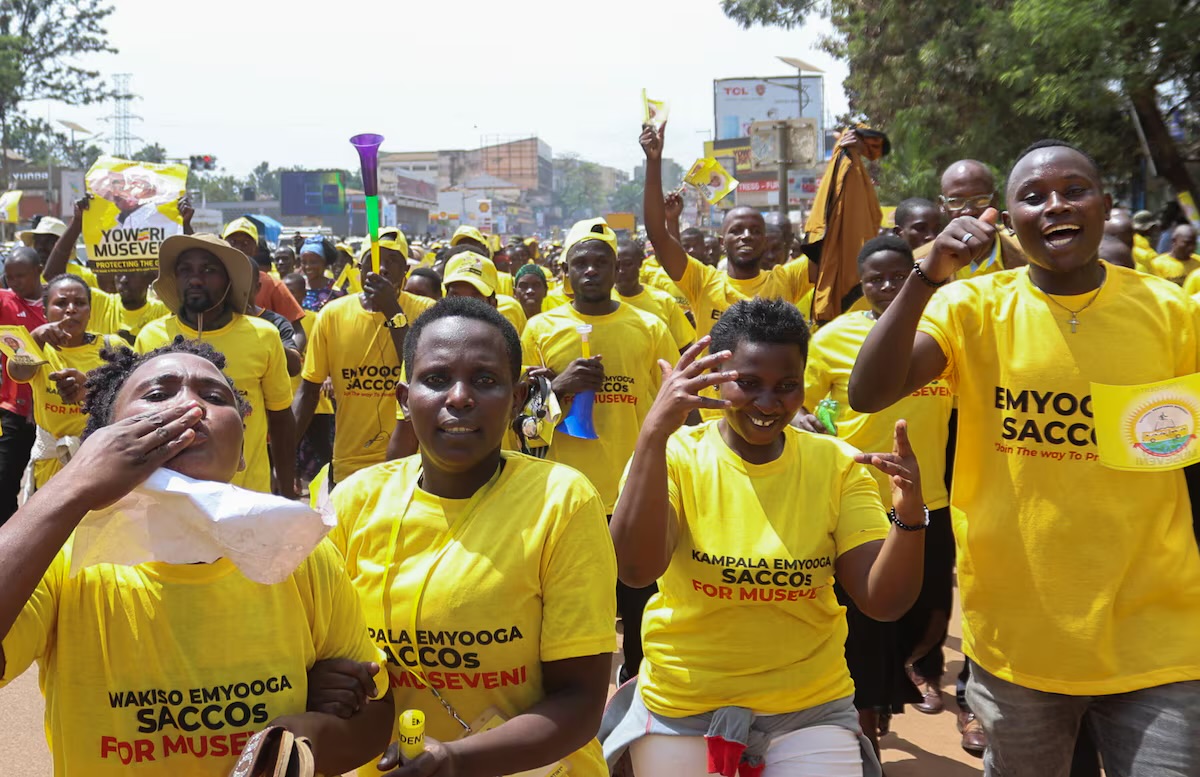
Source: Reuters
Witnesses confirmed that internet services went dark across the country at the appointed hour, echoing similar shutdowns imposed during previous elections. The move has drawn criticism from rights groups and opposition figures, who say it is designed to suppress scrutiny, limit mobilisation and silence dissent.




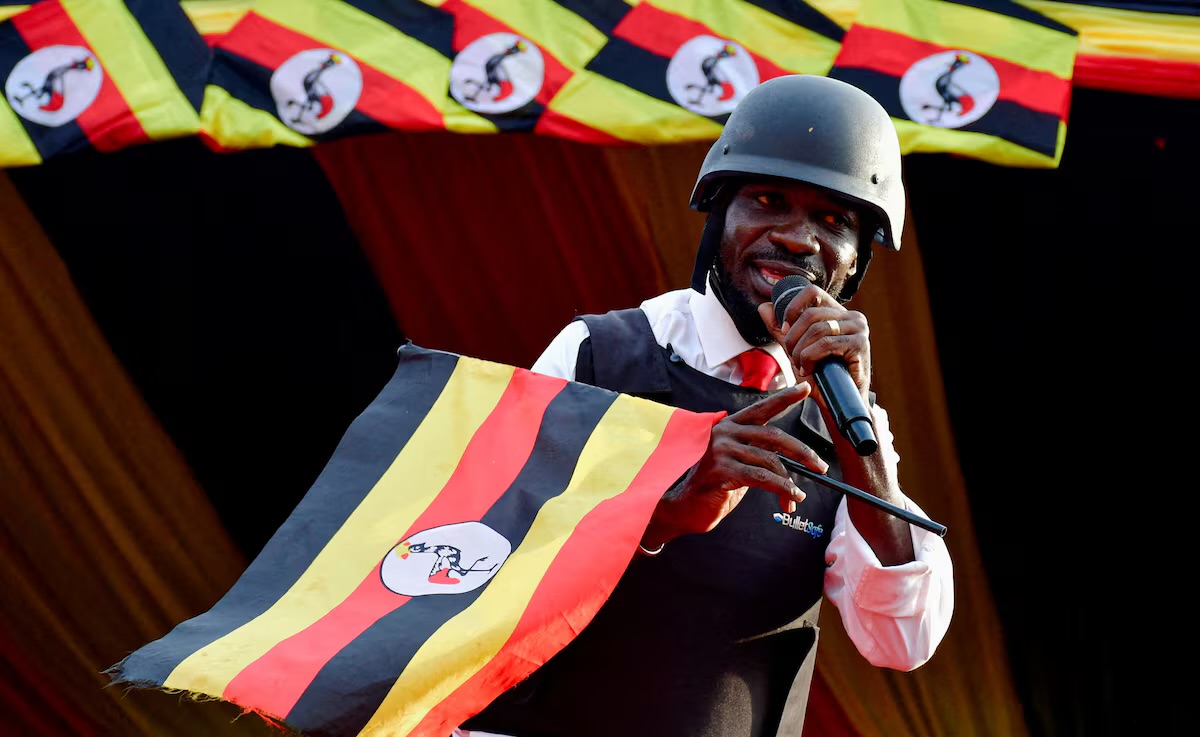
Security forces have detained hundreds of opposition supporters in the run up to Thursday’s vote and have repeatedly used live ammunition and tear gas at campaign events linked to Museveni’s main challenger, pop star turned politician Bobi Wine. Wine, whose real name is Robert Kyagulanyi, has emerged as a powerful symbol for young voters frustrated by unemployment, corruption and entrenched political power.
“The UCC acknowledges the operational challenges this directive may impose and appreciates your full cooperation in upholding national stability during this sensitive period,” the regulator said in a letter to licensed operators dated Tuesday.
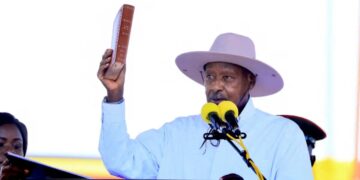
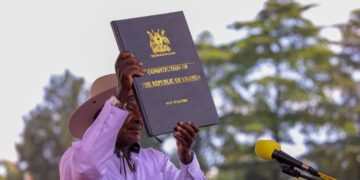
Museveni, 81, has ruled Uganda since 1986 after leading a five year rebellion. He is Africa’s third longest serving head of state and is seeking a seventh term in office. Over the years, his government has amended the constitution to remove both age and term limits, paving the way for his continued rule. Analysts say his tight control over state institutions leaves little chance of an electoral upset in the East African nation of about 46 million people.
The internet shutdown came as authorities also ordered two local human rights organisations to cease operations ahead of the vote. The United Nations Human Rights Office has warned that the election is unfolding in an atmosphere marked by repression and intimidation.
The affected organisations had publicly condemned the alleged arbitrary detention and torture of opposition supporters and journalists. In a letter to one of the groups, Chapter Four Uganda, the state run National Bureau for NGOs said it had been found to be engaged in activities deemed prejudicial to national security and was ordered to halt operations with immediate effect.
The government denies targeting critics and says the measures are necessary to maintain order. However, critics argue that restricting digital communication and closing civic space undermines the credibility of the electoral process and deepens fears of unrest after polling day.