Wednesday, April 29, 2026
  • Login
The Southern African Times
  • Home
  • Southern Africa
  • Business
    • African Start ups
    • African Continental Free Trade Area
  • Technology
    • Lifestyle
      • Health
      • Culture
      • Food and Drink
      • Entertainment
  • Opinion
  • Sports
  • SAT Jobs
    • Events
  • About Us
    • Advertise with Us
    • Contact Us
No Result
View All Result
  • Home
  • Southern Africa
  • Business
    • African Start ups
    • African Continental Free Trade Area
  • Technology
    • Lifestyle
      • Health
      • Culture
      • Food and Drink
      • Entertainment
  • Opinion
  • Sports
  • SAT Jobs
    • Events
  • About Us
    • Advertise with Us
    • Contact Us
No Result
View All Result
The Southern African Times
No Result
View All Result
Home COVID 19 Health

United States Signs Health Agreements Worth $16 Billion Across Africa

by SAT Reporter
January 3, 2026
in Health
0
United States Signs Health Agreements Worth $16 Billion Across Africa

The United States has entered into bilateral health agreements totalling over $16 billion with several African nations following its withdrawal from the World Health Organization. The latest accord, concluded with Côte d’Ivoire, underscores Washington’s growing emphasis on country-to-country health partnerships that blend development aid with national interest-driven strategies.

According to the U.S. Embassy in Abidjan, the five-year partnership with Côte d’Ivoire is valued at approximately $480 million. The initiative is designed to enhance access to essential healthcare services, with a focus on programmes addressing HIV, malaria, tuberculosis, and other infectious diseases. The Ivorian government has pledged to contribute 163 billion CFA francs, estimated at $292 million, representing nearly 60 per cent of the total funding by 2030, Prime Minister Robert Beugré Mambé confirmed during the announcement.

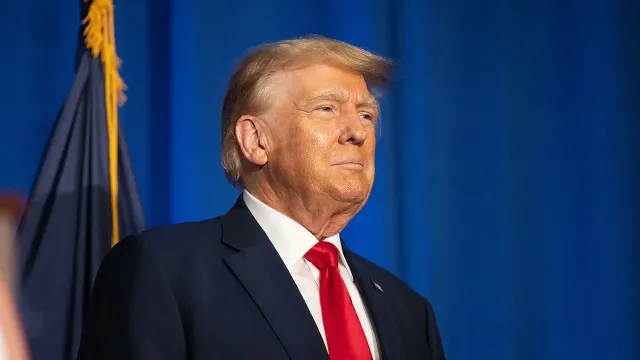
This agreement forms part of a broader framework of health cooperation agreements signed by the U.S. under President Donald Trump’s administration. Similar bilateral partnerships have been concluded with more than a dozen African countries, including Nigeria and Kenya. In Nigeria, the accord includes commitments to combat HIV, tuberculosis, and malaria, with Abuja expected to invest around $3 billion, according to the U.S. Department of State.


ADVERTISEMENT

American officials describe these initiatives as part of the “America First Global Health Strategy,” which they argue is designed to strengthen health security and foster sustainable partnerships. The strategy, according to U.S. representatives, aims to ensure that development assistance aligns with both American and partner nations’ health priorities while maintaining a focus on measurable outcomes.

However, the approach has raised debate among policy experts and civil society organisations. Critics contend that the move towards bilateral health diplomacy risks undermining the multilateral frameworks that have historically shaped global health governance. Some analysts argue that by prioritising direct agreements, the U.S. could inadvertently weaken collective mechanisms of accountability and cooperation established through institutions such as the World Health Organization and the African Centres for Disease Control and Prevention.

In Kenya, a high court temporarily suspended the implementation of a $2.5 billion health agreement pending judicial review. The court instructed the Kenyan government to refrain from sharing medical or epidemiological data with the U.S. while questions regarding data sovereignty and privacy were under consideration.

Ngozi Erondu, an associate fellow at Chatham House, observed that while the bilateral agreements may enhance access to financial and technical resources, they could also reinforce dependency structures. “The strategy aligns health security with industrial competitiveness for Washington but may limit the capacity of African partners to develop autonomous manufacturing and regulatory frameworks,” she noted.

Over fifty African and international civil rights organisations have issued a joint statement urging governments to scrutinise the implications of these partnerships. They caution that the agreements could grant Washington significant leverage, including the potential to curtail or withdraw health assistance in cases of perceived non-compliance. The groups have also raised concerns regarding human rights and data governance, particularly in contexts where digital health systems are expanding rapidly.

U.S. officials have defended the approach, emphasising mutual accountability and shared priorities. Jessica Davis Ba, the U.S. Ambassador to Côte d’Ivoire, stated that the agreement represents a “new generation of health cooperation” that builds upon long-term collaboration. “We are committed to working with our African partners to address major public health challenges while fostering sustainable health systems,” she said.

Observers across the continent view the development as a reflection of Africa’s evolving role in global health diplomacy. Many analysts highlight that while these agreements bring crucial funding, they also underscore the need for African nations to strengthen regional mechanisms and negotiate from positions of greater equity. The challenge, they note, lies in ensuring that international partnerships contribute not only to immediate health outcomes but also to long-term autonomy, capacity building, and the dignity of local health systems.

In the broader context, these developments illustrate a shifting geopolitical landscape in which African nations are increasingly navigating a complex web of bilateral and multilateral partnerships. The emphasis on national ownership and regional solidarity continues to define Africa’s position within the global health order—one that seeks not dependency but interdependence grounded in respect and mutual benefit.

Tags: African governanceCôte d’Ivoiredata sovereigntydevelopment partnershipsglobal health diplomacyhealth systems strengtheningHIV programmesKenyamalaria controlNigeriapublic health policyRegional IntegrationU.S. foreign policyUnited States Africa relations
Previous Post

Zambia Accepts Mining Taxes in Yuan as Chinese Firms Lead Currency Shift

Next Post

Trump’s Illegal Strike on Venezuela Shatters Global Order

SAT Reporter

Related Posts

How the Emergency Help Group Is Strengthening Emergency Response Systems in Zimbabwe
Health

How the Emergency Help Group Is Strengthening Emergency Response Systems in Zimbabwe

by SAT Reporter
April 10, 2026
US weighs HIV aid reductions in Zambia amid mineral access negotiations
Health

US weighs HIV aid reductions in Zambia amid mineral access negotiations

by SAT Reporter
March 18, 2026
Zimbabwe Seeks Diaspora Collaboration on Health Reform
Health

Zimbabwe Seeks Diaspora Collaboration on Health Reform

by SAT Reporter
March 16, 2026
Zambia Halts US Health Deal Over Sovereignty and Mining Link Concerns
Health

Zambia Halts US Health Deal Over Sovereignty and Mining Link Concerns

by SAT Reporter
February 26, 2026
Mozambique Declares Cholera Epidemic as Authorities Launch Mass Vaccination Drive
Health

Mozambique Declares Cholera Epidemic as Authorities Launch Mass Vaccination Drive

by SAT Reporter
February 23, 2026
Next Post
Trump’s Illegal Strike on Venezuela Shatters Global Order

Trump’s Illegal Strike on Venezuela Shatters Global Order

Browse by Category

  • Africa AI
  • African Continental Free Trade Area
  • African Debt
  • African Start ups
  • Agriculture
  • AI Africa
  • Algeria
  • All News
  • Analysis
  • Angola
  • Arts / Culture
  • Asia
  • Botswana
  • BOTSWANA
  • BREAKING NEWS
  • BRICS
  • Burkina Faso
  • Burundi
  • Business
  • Business
  • Business Wire
  • Cameroon
  • Central Africa
  • Chad
  • China
  • Climate Change
  • Climate Changev
  • Community
  • Congo Republic
  • Conservation
  • Côte d’Ivoire
  • COVID 19
  • CRYPTOCURRENCY
  • Culture
  • Democratic Republic of Congo
  • Diplomacy
  • Eastern Africa
  • Economic Development
  • Economy
  • Education
  • Egypt
  • Elections 2024
  • Energy
  • Entertainment
  • Environment
  • Eritrea
  • Ethiopia
  • Europe
  • Fashion
  • Feature
  • Finance
  • Financial Inclusion
  • Food
  • Food and Drink
  • Foods
  • GABON
  • Ghana
  • Global
  • Global Africa
  • Guinea
  • Health
  • Immigration
  • in Southern Africa
  • International news
  • International Relations
  • Investment
  • Ivory Coast
  • Just In
  • Kenya
  • Lesotho
  • Libya
  • Life Style
  • Lifestyle
  • Literature
  • Malawi
  • Malawi
  • Mali
  • Markets
  • Mauritius
  • Middle East
  • Mining in Africa
  • Morocco
  • Mozambique
  • Namibia
  • Niger
  • niger
  • Nigeria
  • North Africa
  • North-Eastern Africa
  • Obituaries
  • Obituary
  • Opinion
  • PARTNER CONTENT
  • Politics
  • Property
  • Racism
  • Rwanda
  • Rwanda
  • SADC
  • SAT Interviews
  • SAT Investigation
  • SAT Jobs
  • Saudi Arabia
  • Senegal
  • Seychelles
  • Somaliland
  • South Africa
  • South Sudan
  • Sports
  • Startup Africa
  • STOCK EXCHANGE
  • Sudan
  • Sustainability
  • Sustainablity
  • Tanzania
  • Technology
  • Telecommunications
  • The Editorial Board
  • The Power Of She
  • Togo
  • Trade
  • Travel
  • Travel
  • Tunisia
  • Uganda
  • Uncategorized
  • Wealth
  • West Africa
  • World
  • World
  • ZAMBIA
  • Zambia
  • Zimbabwe
  • ZIMBABWE

Browse by Tags

#NewsUpdate #SouthAfrica #SouthernAfricanTimes #TheSouthernAfricanTimes AfCFTA africa African Continental Free Trade Area African development African Development Bank African economies African economy African Union Agriculture Angola Botswana Business China Climate change Cyril Ramaphosa Economic Development economic growth energy transition fiscal policy industrialisation Inflation Infrastructure Infrastructure Development International relations Investment Kenya Mozambique Namibia news Nigeria Regional Integration renewable energy Rwanda SADC South Africa Southern Africa sustainable development Tanzania United States Zambia Zimbabwe
ADVERTISEMENT

WHO WE ARE

The Southern African Times is a regional bloc digital newspaper that covers Southern African and world news. The paper also gives a nuanced analysis on news and covers a wide range of reporting which include sports, entertainment, foreign affairs, arts and culture.

Welcome Back!

Login to your account below

Forgotten Password?

Retrieve your password

Please enter your username or email address to reset your password.

Log In

  • Home
  • Southern Africa
  • Business
    • African Start ups
    • African Continental Free Trade Area
  • Technology
    • Lifestyle
      • Health
      • Culture
      • Food and Drink
      • Entertainment
  • Opinion
  • Sports
  • SAT Jobs
    • Events
  • About Us
    • Advertise with Us
    • Contact Us
Are you sure want to unlock this post?
Unlock left : 0
Are you sure want to cancel subscription?