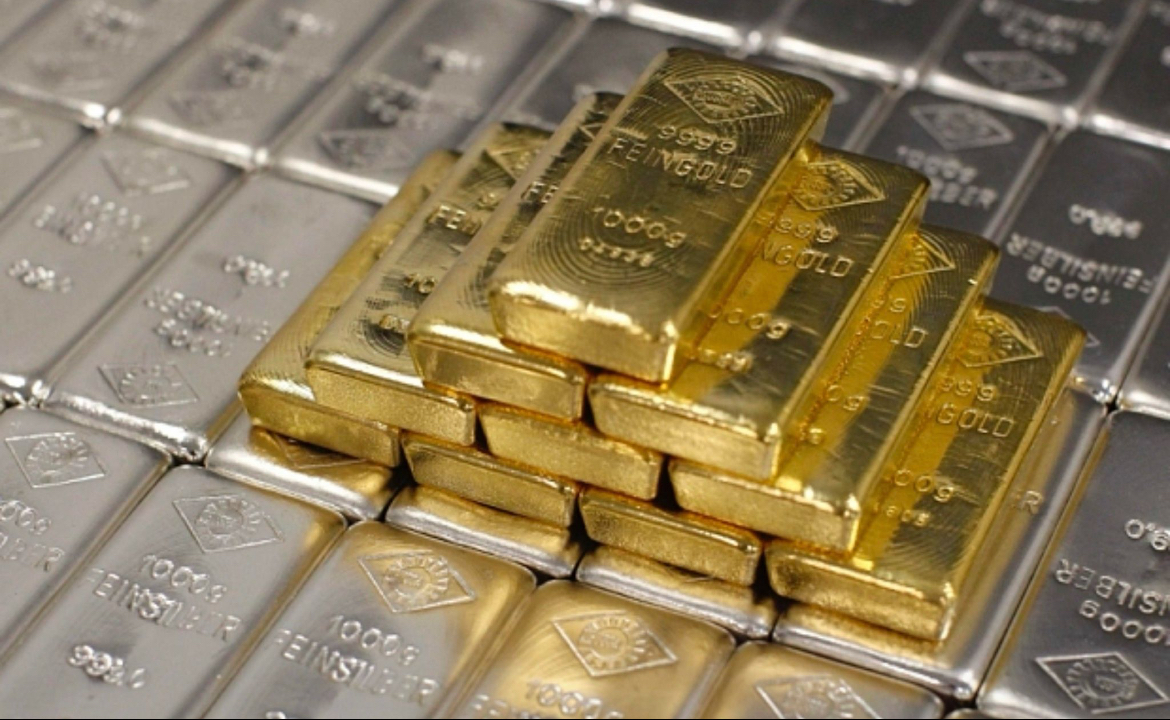
Gold and silver have surged to record levels as intensifying geopolitical tensions and expectations of further interest rate cuts in the United States reshape global financial markets. Gold rose as high as US$4,441 an ounce, surpassing its previous October record of US$4,381, while silver reached nearly US$69 an ounce. Both metals are now on track for their strongest annual performance in over four decades.
Analysts attribute the rise to a combination of lower interest rate expectations, increased central bank purchases, and the renewed appeal of precious metals as safe-haven assets during a period of widespread uncertainty. The United States Federal Reserve is widely anticipated to reduce rates twice in 2026, following signs of slower job growth and subdued inflation in November. These developments have spurred a retreat from interest-bearing assets, reinforcing gold’s role as a store of value.
The latest rally has also been influenced by geopolitical events across multiple regions. The United States has intensified oil sanctions against Venezuela, while tensions between Ukraine and Russia have escalated after an attack on a Russian-linked oil tanker in the Mediterranean. In East Asia, strained relations between Japan and China have further unsettled market sentiment, prompting investors to diversify holdings.



According to strategist Dilin Wu of Pepperstone Group, “today’s rally reflects early positioning around Federal Reserve rate expectations, accentuated by thin year-end liquidity.” Wu added that slower growth data had reinforced speculation of a more accommodative monetary stance.
Gold’s value has increased by approximately 67 per cent since the start of 2025, a movement underpinned by sustained central bank acquisitions and expanding inflows into bullion-backed exchange-traded funds (ETFs). Data from the World Gold Council shows that global holdings in gold ETFs have risen each month this year except May, reflecting broad-based institutional and retail participation.
The so-called debasement trade, which reflects investor concerns about the erosion of fiat currency value due to mounting sovereign debt, has also supported the rally. Investors are increasingly turning away from bonds and currencies perceived as vulnerable to inflationary or political pressures.

Africa, a continent rich in gold and platinum group metals, is likely to experience complex ripple effects from the rally. Higher prices could strengthen export revenues for key producers such as South Africa, Ghana and Sudan, while also inviting renewed investment in exploration and refining. Yet the benefits may be unevenly distributed if production gains are not matched by domestic beneficiation or stronger fiscal frameworks to capture value locally.
Silver, which has advanced by more than 60 per cent in 2025, has been buoyed by speculative inflows and continuing supply constraints following an earlier short squeeze in October. Trading volumes in Shanghai have reached record highs, reflecting China’s dominant role in the global metals trade.
Platinum and palladium have also risen sharply. Platinum climbed above US$2,000 an ounce for the first time since 2008, while palladium reached its highest level in almost three years. Much of this momentum stems from renewed industrial demand, particularly from the automotive and green energy sectors.
Goldman Sachs projects that gold prices could reach US$4,900 an ounce in 2026, suggesting that competition between institutional investors, ETFs, and central banks for limited physical supply may further intensify. Wu of Pepperstone notes that newer market participants, including stablecoin issuers such as Tether Holdings SA and corporate treasuries, have diversified demand sources, reinforcing the long-term resilience of the sector.
Nicholas Frappell, Global Head of Institutional Markets at ABC Refinery, observed that gold’s ascent continues to be driven by “the convergence of monetary easing expectations and geopolitical unease,” citing the evolving security strategies of the Trump administration and global power realignments as key factors.

The broader African perspective highlights both opportunity and caution. While high bullion prices may offer fiscal reprieve for resource-dependent economies, they also underline the necessity for diversification, transparent governance, and strategic investment in refining capacity. African policymakers face a delicate balance between harnessing windfall gains and safeguarding against volatility in commodity-dependent revenues.