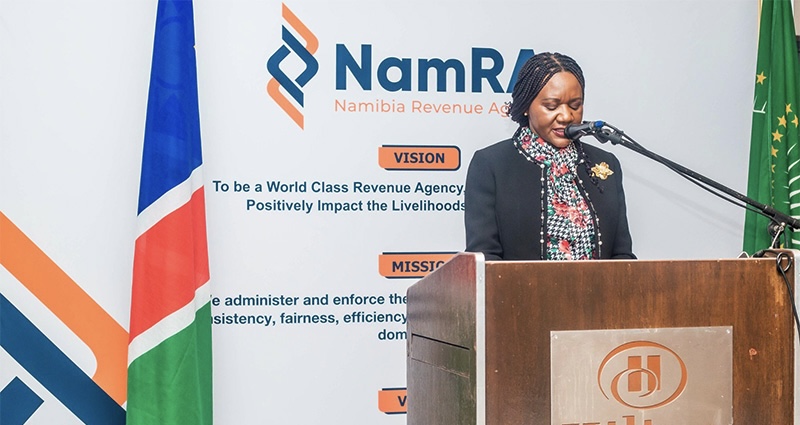
The Namibia Revenue Agency (NamRA) has announced that all importers, exporters, and trade operators will soon be required to use a mandatory Trader Identification Number (TIN) for every customs declaration processed through the country’s customs management system. The initiative will take effect on 1 April 2026, according to an official statement issued on Thursday.
The TIN system will serve as a unique and permanent identifier for individuals and businesses engaged in cross-border trade. According to NamRA, the measure aims to enhance the accuracy of customs data, improve compliance monitoring, and strengthen risk assessment mechanisms within Namibia’s trade ecosystem. This reform is part of the agency’s broader strategy to modernise trade facilitation, promote transparency, and align national practices with international standards established by the World Customs Organization and the Revised Kyoto Convention.
NamRA stated that the implementation of the TIN system reflects Namibia’s commitment to creating an efficient, accountable, and technology-driven customs environment. By adopting the measure, the agency seeks to ensure that trade processes are more secure and that compliance mechanisms are harmonised with global best practices, thereby supporting both regional integration and economic diversification.



Traders who have not yet registered for a TIN will be required to do so prior to engaging in any import or export activities. In addition, customs clearing agents must verify and update their client TIN lists in the customs management system. NamRA emphasised that the system is intended not as a bureaucratic hurdle but as a measure to foster clarity, efficiency, and trust in trade operations.
To ensure a smooth transition, the agency plans to conduct nationwide outreach and training programmes in collaboration with the private sector, including logistics companies, freight forwarders, and trade associations. These sessions will help stakeholders understand the procedural and operational implications of the new system and ensure readiness ahead of the 2026 rollout.
Observers note that this development comes at a time when many African nations are working to enhance digital governance frameworks in trade administration. Similar identification systems have already been introduced in several Southern African Development Community member states, helping to streamline border processes and curb revenue leakages.

Namibia’s approach underscores the growing continental effort to position African trade systems as both transparent and sovereign, rooted in regional realities rather than externally imposed models. This locally grounded policy reform speaks to a larger shift across Africa toward self-defined modernisation, where the goal is not merely compliance with international norms but the cultivation of trade systems that reflect African priorities, efficiency, and dignity.
As Namibia moves toward implementation, NamRA’s commitment to inclusive engagement will be key in ensuring that small and medium enterprises, which form a vital part of the country’s trade ecosystem, are not marginalised but empowered by this digital transformation.