More than 1,500 delegates comprising policymakers, entrepreneurs, researchers, and innovators have convened in Mombasa for the Africa Artificial Intelligence Conference (AIPAC 2025), a four-day gathering that seeks to deepen continental engagement with artificial intelligence (AI) and its diverse applications.
The forum, which opened on 25 August, is designed to provide a platform for knowledge exchange on ethical AI, digital innovation, and the development of homegrown technologies responsive to Africa’s socio-economic contexts. Participants include both regional actors and international experts committed to fostering inclusive digital ecosystems across the continent.
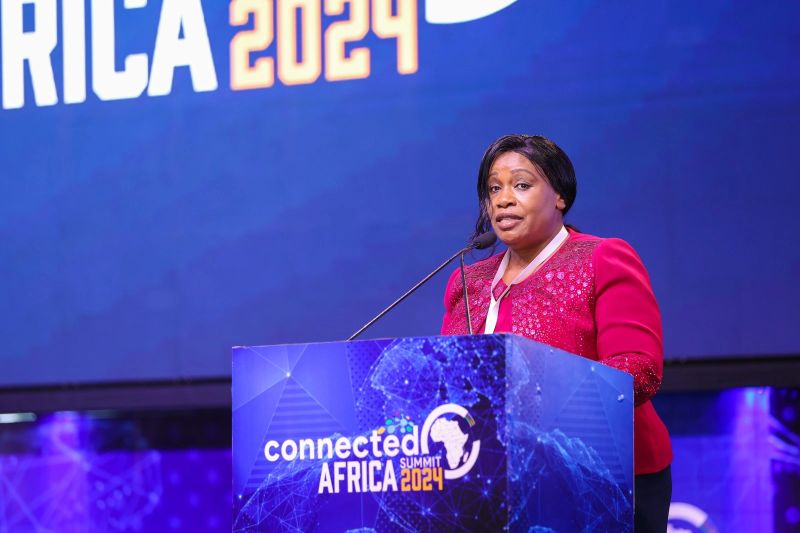
Mary Kerema, Secretary of ICT, E-Government, and the Digital Economy in Kenya’s Ministry of Information, Communications and the Digital Economy, underscored the significance of the conference in light of Kenya’s broader digital transformation strategy. She emphasised that “the country’s AI strategy is anchored on the development of necessary digital infrastructure and data systems to facilitate local AI innovations.”



Kerema further urged African states to prioritise the development of AI solutions rooted in local language datasets, stressing that such approaches are central to ensuring AI tools reflect Africa’s cultural and linguistic diversity rather than replicating external frameworks. This aligns with broader continental initiatives such as the African Union’s Digital Transformation Strategy for Africa (2020–2030), which highlights AI as a key enabler of inclusive growth and sustainable development (African Union, 2020).
According to Harun Katusya, Director and Chair of the AIPAC 2025 Secretariat, the conference seeks to identify pathways through which AI can transform critical sectors including agriculture, healthcare, energy, manufacturing, and the creative industries. By fostering partnerships and research collaboration, Katusya noted, the event aims to position Africa not merely as a consumer of global technologies but as a contributor to their development.

Delegates are also expected to address ethical concerns surrounding AI integration, including risks of algorithmic bias, discrimination, and the importance of transparency in decision-making processes. These conversations echo ongoing debates within the UNESCO Recommendation on the Ethics of Artificial Intelligence (UNESCO, 2021) and are increasingly pertinent as African governments weigh innovation against regulatory safeguards.
The conference comes at a time when African states are accelerating digital transformation agendas. Kenya, Nigeria, Rwanda, and South Africa are among the countries that have launched national AI or data strategies aimed at harnessing technology for development. These initiatives are coupled with continental efforts under the Smart Africa Alliance (Smart Africa, 2025), which promotes harmonised digital policies and investment frameworks to reduce fragmentation across markets.
By foregrounding Africa’s own languages, cultures, and economic realities, experts argue that AI can be mobilised not simply as a technological import but as a tool to strengthen sovereignty, resilience, and social inclusion. As discussions in Mombasa continue, the conference reflects a pan-African aspiration to shape AI trajectories in a way that balances global engagement with local agency.