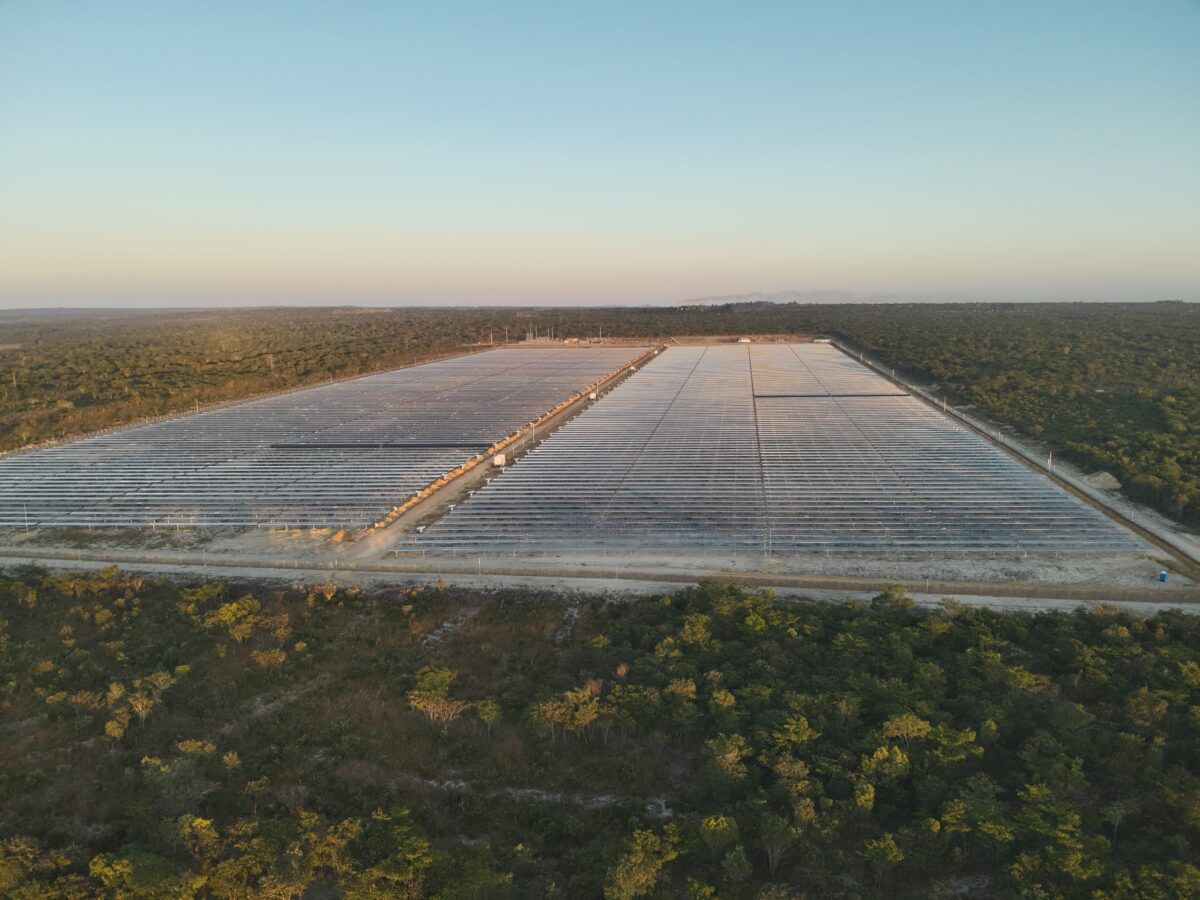
UK-based energy trading firm BB Energy has commissioned a 25 MW merchant solar power plant in central Zambia. This development marks the first instance of a dedicated merchant solar facility participating in trading on the Southern African Power Pool (SAPP), a competitive regional electricity market spanning 12 member countries.
The facility, known as the Mailo solar plant, is owned by BB Energy’s renewable energy subsidiary, Solarcentury Africa, and has been developed, financed, and constructed within a 12-month timeframe. Built by Namibian engineering firm Alensy Energy Solutions, the operational first phase of the project is estimated to supply electricity to approximately 25,000 Zambian households, based on national average consumption levels.
Unlike conventional utility-scale solar projects that rely on fixed power purchase agreements (PPAs), the Mailo plant is structured as a merchant facility. This allows it to sell electricity directly into SAPP’s various trading mechanisms, including the day-ahead, hourly, and intra-day markets, as well as through bilateral contracts with utilities and large industrial consumers. This approach provides greater flexibility and revenue optimisation, while also fostering competitive electricity pricing across the region.



BB Energy has announced that construction is well underway on a second phase of the Mailo project, which will add an additional 35 MW of capacity. This expansion, scheduled for completion within the coming months, is being financed through a $40 million loan facility secured from Standard Bank. A third phase is also planned, ultimately increasing the total installed capacity at the Mailo site to 118 MW by 2027.
In parallel with developments in Zambia, BB Energy is advancing its renewable energy portfolio elsewhere in the region. Construction is progressing at its Gerus solar project in Namibia, a 20 MW installation that reached financial close in October 2024. These efforts form part of Solarcentury Africa’s broader strategy to deliver a 500 MW portfolio of merchant solar assets across the Southern African Development Community (SADC), signalling a shift towards decentralised, privately funded renewable infrastructure.
Stephen Dihwa, Executive Director of the Southern African Power Pool, described the commissioning of the Mailo plant as “a significant step towards accelerating renewable energy generation and advancing sustainable power trading across the region.” His remarks underscore the growing importance of integrating clean energy into regional grids through innovative trading mechanisms.


According to data published by the International Renewable Energy Agency (IRENA), Zambia had installed 196 MW of solar capacity by the end of 2024, up from 134 MW the previous year. The largest grid-connected solar facility in Zambia to date remains the 100 MW Chisamba solar farm, completed in May 2024 by state-owned utility Zesco.
The entry of merchant solar into the SAPP market is viewed as a watershed moment in the region’s energy transition, offering a scalable model for private investment and regional power trading in the renewable sector. As Southern Africa grapples with energy insecurity and seeks to decarbonise its electricity systems, such developments present a viable pathway to greater energy resilience and market integration.