South Africa’s national power utility, Eskom, has restored six generating units following a weekend of widespread failures that necessitated the implementation of Stage 6 load shedding—the most severe level of controlled power cuts. The failures primarily stemmed from technical breakdowns at the Majuba and Camden power stations, exacerbating an already strained electricity grid.
The crisis unfolded on Saturday when Eskom imposed Stage 3 power cuts, removing approximately 3,000 megawatts (MW) from the national grid. However, the situation deteriorated overnight as multiple units failed, pushing the country into Stage 6 power cuts early on Sunday. Eskom’s Group Chief Executive Officer, Dan Marokane, stated that six of the ten units that had gone offline had been restored, with additional units expected to come back online throughout the day.
Marokane reassured the public that Eskom was making progress in stabilising the system, with 3,200 MW of capacity recovered overnight. He further indicated that the power utility aimed to exit this critical stage by the end of the week, depending on the pace of recovery. Should the restoration efforts proceed as planned, Eskom could begin reducing power cuts as early as Monday.
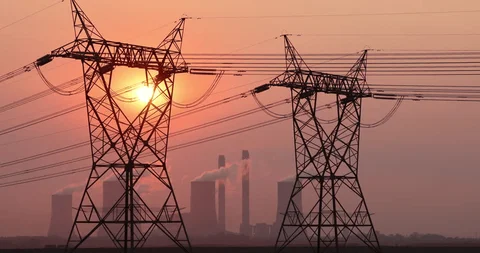
Load shedding has become a recurring challenge for South Africa due to the persistent breakdowns at Eskom’s ageing fleet of coal-fired power stations, which remain the primary source of electricity in the country. The system of rotational power cuts is structured in incremental stages, with Stage 1 representing a reduction of 1,000 MW and Stage 6 being the most severe measure implemented to date.
Eskom’s struggles with infrastructure failures, maintenance backlogs, and operational inefficiencies have significantly impacted businesses and households, highlighting the urgent need for sustainable energy solutions. The power utility continues to work towards mitigating the crisis, but frequent disruptions underscore the fragile state of South Africa’s electricity supply.