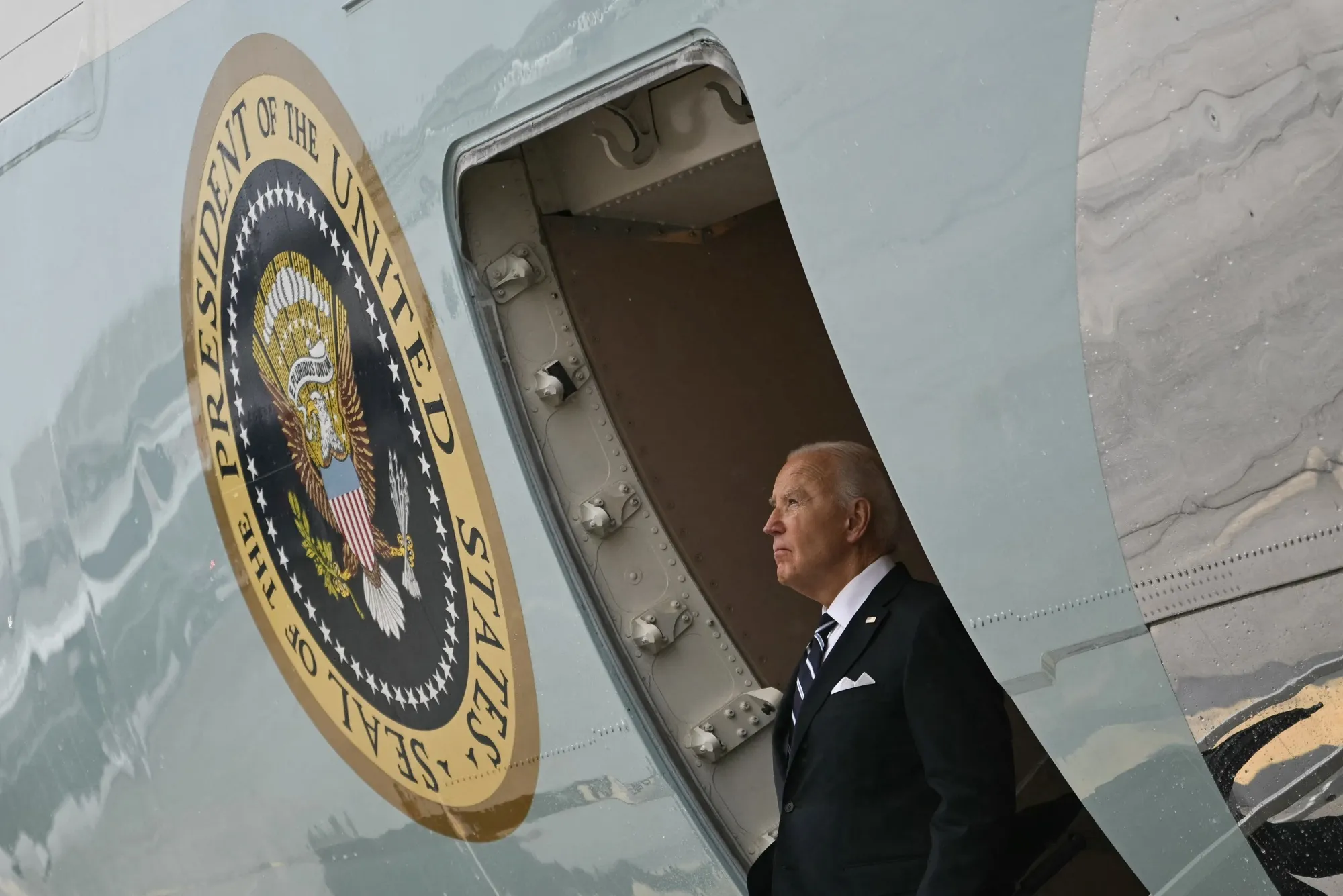
In an international foray intended to underscore U.S. commitment to Africa’s economic transformation, President Joe Biden’s visit to Angola has been overshadowed by his controversial pardon of his son, Hunter Biden.
Arriving in Luanda on Monday, Biden aimed to consolidate support for the Lobito Corridor, a U.S.-backed railway project intended to facilitate the export of critical minerals from the Democratic Republic of Congo and Zambia to the Atlantic coast. The initiative, hailed as a counterbalance to China’s deepening foothold in Africa, also serves as a platform to advance discussions on health, climate, and energy reforms. However, the political fallout from the presidential pardon has threatened to eclipse the official agenda.
The Lobito Corridor, partially funded by a $550 million loan from the U.S. Development Finance Corporation, promises to refurbish an 800-mile rail line extending from Congo to Angola’s Lobito port. This infrastructure, backed by global commodities trader Trafigura, Portugal’s Mota-Engil, and railway operator Vecturis, is central to U.S. efforts to secure access to cobalt and copper—minerals vital for the global transition to clean energy technologies.



While en route to Angola, National Security Spokesperson John Kirby highlighted the project’s transformative potential. “The Lobito Corridor is a cornerstone of our commitment to sustainable and reliable investments in Africa, ensuring economic opportunities that endure,” Kirby stated.
However, press coverage on Air Force One fixated less on the corridor’s implications and more on Hunter Biden’s legal reprieve. Pardoned for tax violations and firearm charges, the younger Biden’s plight has raised questions about potential political repercussions for the president. Karine Jean-Pierre, the White House Press Secretary, largely parried inquiries by reiterating the president’s previously issued statement.

The timing of the pardon has invited scrutiny, as Biden faces a pivotal election year. Critics argue that the decision risks undermining his administration’s moral authority on issues ranging from corruption to governance—an ironic juxtaposition given the strategic focus of his Angola visit.
In Luanda, Biden is set to meet with Angolan President João Lourenço and Zambian President Hakainde Hichilema, with an agenda spanning bilateral trade, health interventions, and climate adaptation strategies. He will also visit Angola’s National Slavery Museum, symbolically linking the African-American experience to the legacy of transatlantic slavery.
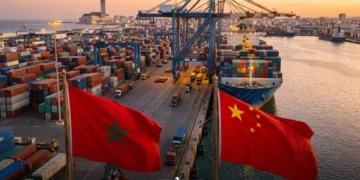
While the White House insists the visit underscores Africa’s geopolitical significance, the shadow of Sino-Angolan cooperation looms large. Beijing’s recent agreement with Tanzania and Zambia to revitalise an alternative railway corridor connecting African minerals to eastern seaports exemplifies its enduring economic clout.
Kirby dismissed speculation of a Cold War redux, emphasising that U.S. investments in Africa are designed to empower local economies without imposing undue financial burdens. “Our aim is not to force a choice between the U.S. and China but to offer credible and transparent partnerships,” he said.
As Biden navigates the political minefield of his son’s pardon, the visit reflects the complex interplay between domestic imperatives and international diplomacy. Angola, a nation poised at the crossroads of Africa’s resource economy and its colonial legacy, finds itself a stage for broader geopolitical contestations.