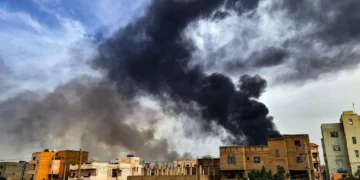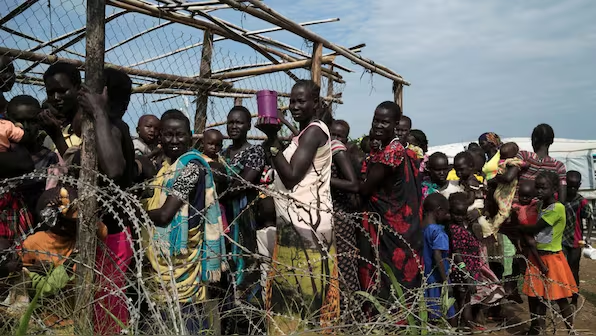
The humanitarian crisis in Sudan, precipitated by a brutal civil war, has reached unprecedented levels, with the World Health Organization (WHO) and other global agencies warning of widespread infectious diseases, acute hunger, and famine. The violence, which has now raged for 16 months, has severely crippled Sudan’s healthcare infrastructure and obstructed the delivery of vital aid.
Widespread Disease Outbreaks
Cholera, a bacterial disease with deadly consequences if untreated, has claimed over 300 lives across the war-torn nation, according to WHO spokesperson Margaret Harris. However, the true toll is likely far higher, with Harris cautioning that the slow pace of reporting has masked the full extent of the crisis. In addition to cholera, outbreaks of measles, malaria, dengue fever, and meningitis are rampant in several regions, further exacerbating the public health disaster.
“Access to healthcare has been significantly hampered,” said Harris, emphasising that attacks on medical facilities and personnel have become frequent. “There is a shortage of medicines, medical supplies, and health workers. Health professionals are not receiving salaries, and the lack of cash is further crippling the healthcare system.”
The World’s Largest Hunger Crisis
Compounding the health emergency is a devastating famine sweeping across the country. Leni Kinzli, spokesperson for the World Food Programme (WFP), described Sudan as home to the “world’s largest hunger crisis.” Of the 25 million Sudanese facing acute hunger, 755,000 are in a state of catastrophic food insecurity, meaning they have exhausted all means of sustenance. Many are surviving by foraging for leaves and grass, a grim marker of the desperation gripping the nation.
In Darfur, a region already ravaged by years of conflict, more than 6 million people are now struggling with food insecurity. The situation is particularly dire in Zamzam camp in North Darfur, where famine has taken hold, threatening thousands of lives.
Aid Blockages and the Political Impasse
Relief efforts have been significantly impeded by the ongoing war between Sudan’s army and the paramilitary Rapid Support Forces (RSF), who control vast swathes of Darfur. In February, the army-aligned government blocked aid from reaching RSF-controlled territories via the Adre border crossing with Chad, citing concerns that the humanitarian corridor was being used to smuggle arms to RSF fighters.
However, in a tentative step forward, Sudan’s sovereign council announced on Thursday that it would temporarily allow the use of the Adre crossing for three months, enabling aid agencies to reach famine-threatened regions in Darfur. International organisations, including the United Nations and Unicef, have been waiting for this development in order to provide critical assistance to millions in need.
The civil war, now in its second year, has devastated the country’s economy and left millions without access to basic necessities. The withdrawal of foreign aid and investment, along with the collapse of government services, has plunged Sudan into an even deeper crisis, with no end to the conflict in sight.