Sudan and South Sudan have pledged to deepen their bilateral cooperation with a renewed focus on energy, oil, trade, and political dialogue, signalling a cautious but significant step toward stabilising relations between the two neighbouring states.
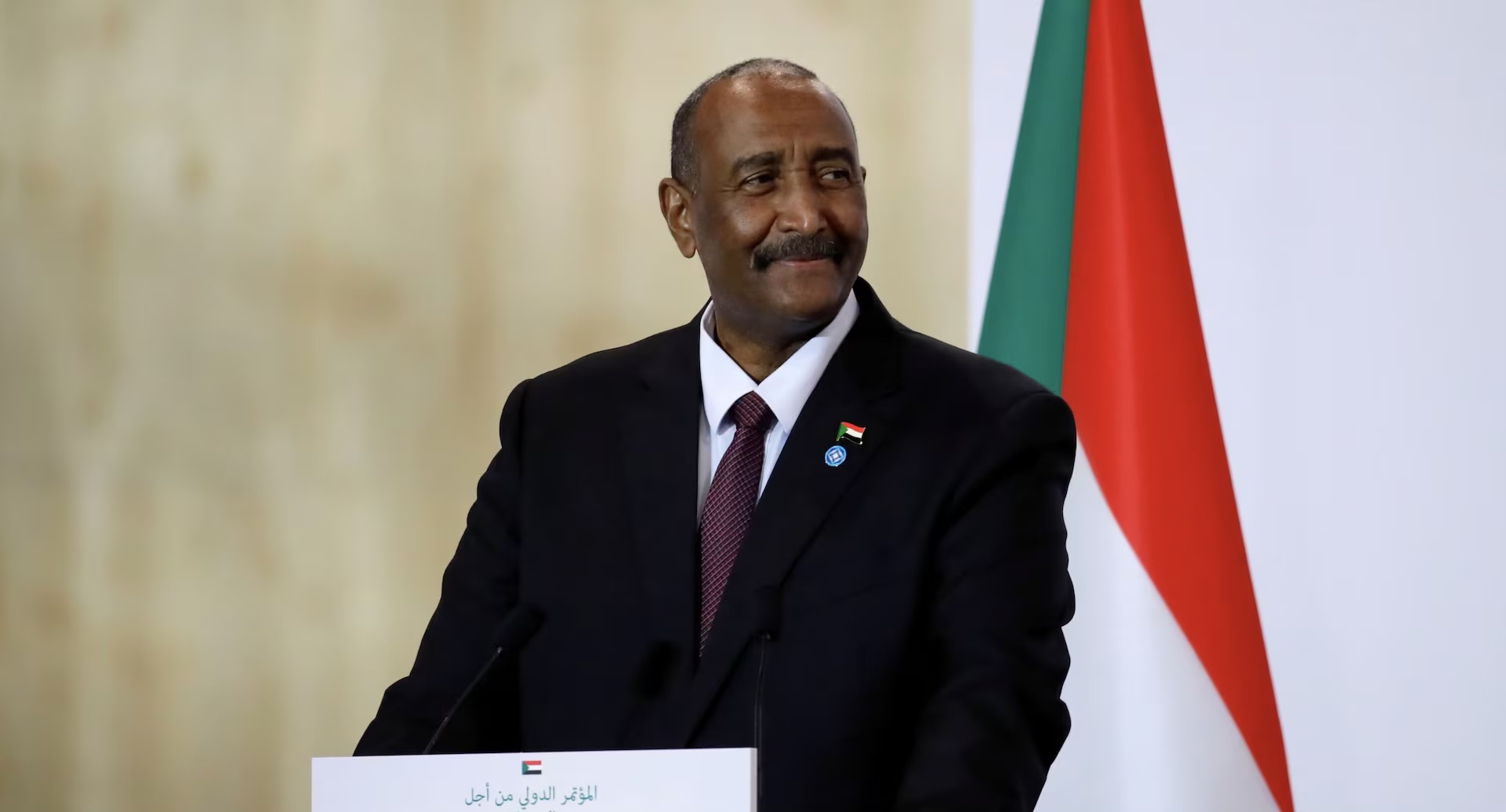
The commitment was formalised during a meeting held in Khartoum between General Abdel Fattah Al Burhan, Chairman of Sudan’s Transitional Sovereign Council, and a South Sudanese delegation led by Tut Gatluak, Presidential Adviser on National Security. The delegation delivered a written message from President Salva Kiir Mayardit, affirming Juba’s intent to enhance cross-border collaboration and mutual economic development.
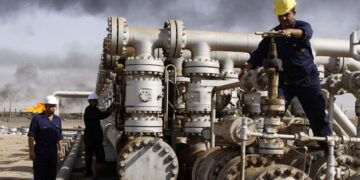
According to a statement released by Sudan’s Foreign Ministry Undersecretary, Muawiya Osman Khalid, Al Burhan directed the relevant ministries and technical institutions to initiate discussions with their South Sudanese counterparts on critical areas of cooperation. These include the energy and oil sectors, which remain the cornerstone of both economies, as well as trade, investment, and broader political coordination.



Khalid commended South Sudan’s consistent support for Sudan amid ongoing domestic challenges, including economic hardship and political uncertainty. He underscored that dialogue and cooperation between the two countries could contribute not only to national stability but also to the long-term goal of regional integration across the Horn of Africa and the broader Nile Basin region.

Speaking to the press following the meeting, South Sudan’s Foreign Minister Monday Semaya Kumba confirmed that both parties had agreed to form joint technical committees tasked with resolving outstanding issues and advancing future projects. The discussions also explored avenues for enhancing oil production and export, as South Sudan remains dependent on Sudan’s infrastructure for transporting crude oil through Port Sudan on the Red Sea.

The two nations, which share deep historical, cultural, and economic ties, have faced complex challenges since South Sudan’s independence in 2011. While disputes over border demarcation, oil revenue sharing, and migration have at times strained relations, the latest meeting reflects a renewed diplomatic effort grounded in pragmatic cooperation rather than political rivalry.
Observers note that the revitalisation of Sudan–South Sudan relations holds broader significance for regional peacebuilding efforts and the future of African-led diplomacy. Both governments appear to be recognising that collaborative economic frameworks and political dialogue are essential to addressing shared vulnerabilities such as insecurity, displacement, and the pressures of economic isolation.
This development arrives at a time when African states are increasingly asserting regional solutions to regional challenges, reflecting a shift away from externally defined frameworks. In this light, the Sudan–South Sudan engagement demonstrates a maturing form of African statecraft that prioritises stability through mutual benefit rather than external conditionalities.
The renewed commitment to cooperation between Khartoum and Juba thus represents not merely a bilateral accord but a broader gesture towards African solidarity and self-determined diplomacy in an era marked by shifting geopolitical dynamics.