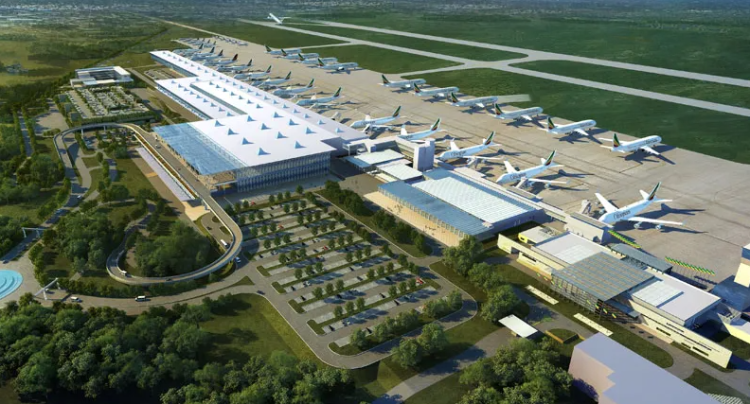
Ethiopian Airlines, the national flag carrier of Ethiopia, has embarked on a significant infrastructural endeavour, signing a contract with the international consulting firm Dar Al-Handasah for the design and supervision of a new mega airport. This ambitious project is to be situated near Bishoftu, approximately 42 kilometres east of Addis Ababa, the Ethiopian capital.
The proposed airport is poised to become Africa’s largest, boasting a capacity to accommodate 100 million passengers annually and providing parking facilities for 270 aircraft. Mesfin Tasew, the Chief Executive Officer of Ethiopian Airlines Group, conveyed this information during a recent briefing, emphasising that the new airport will represent a momentous advancement in the airline’s history.
As Addis Ababa Bole International Airport nears its operational capacity, currently serving 25 million passengers per year, the need for a new facility has become increasingly pressing. The new airport will alleviate this pressure, with its first phase expected to accommodate 60 million passengers annually upon completion. This phase, encompassing the construction of two runways, will form the cornerstone of the project.
The total cost for the initial phase is estimated to exceed 6 billion U.S. dollars, with funding to be sourced from loans provided by interested companies. The airport, which will ultimately feature four runways, is projected to be completed by 2029, ushering in a new era for Ethiopian aviation.
Covering a total area of 35 square kilometres, the new airport will also feature extensive shopping and hotel facilities, thereby enhancing the passenger experience and bolstering the surrounding region’s economic development. The design phase of the project is currently underway, after which the construction work will be put out to tender.
In the 2023/2024 financial year, Ethiopian Airlines transported 17.1 million passengers and anticipates a rise to 20 million passengers in the new financial year that commenced on 8 July 2024. This new airport will thus play a critical role in sustaining and amplifying the airline’s growth trajectory.