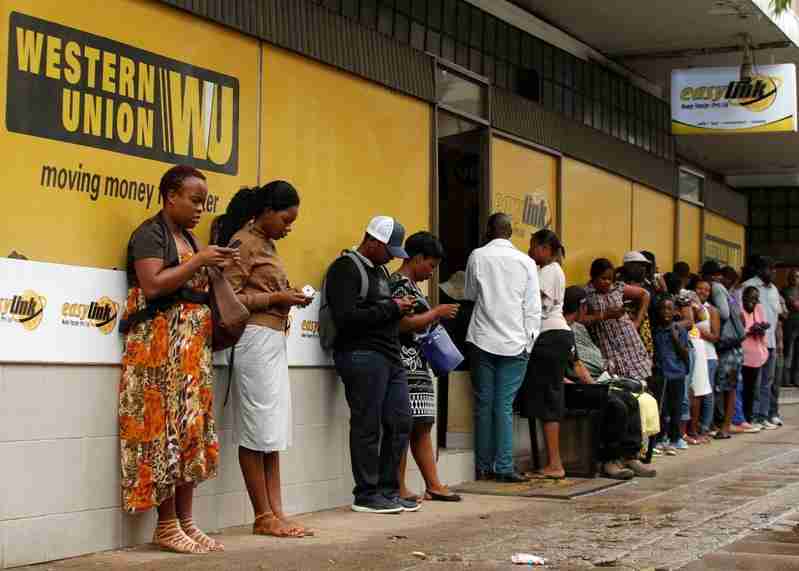
In 2023, remittance flows to Sub-Saharan Africa reached a substantial $54 billion, representing a slight decline of 0.3% compared to the previous year. Despite this modest decrease, remittances remain a critical lifeline for several African nations grappling with significant economic and environmental challenges.
For many countries in the region, remittances serve as a vital financial support mechanism, bolstering current accounts and providing much-needed relief in times of crisis. This support has been particularly crucial as nations such as the Gambia, Lesotho, Comoros, Liberia, and Cabo Verde contend with food insecurity, severe droughts, supply chain disruptions, devastating floods, and the burden of debt servicing.
In light of these adversities, the stability of remittance flows has offered a measure of economic resilience. These financial transfers from the African diaspora have enabled families to maintain their livelihoods, invest in education, and access essential healthcare services, thereby playing an indispensable role in sustaining the socio-economic fabric of many communities.



Looking ahead, remittance flows to Sub-Saharan Africa are projected to grow by 1.5% in 2024. This anticipated increase underscores the enduring importance of these funds in supporting regional economies. However, it also highlights the need for sustained efforts to reduce the costs associated with sending money to the region. In 2023, the average cost of sending $200 to Sub-Saharan Africa remained high at 7.9%, virtually unchanged from the previous year. Lowering these costs would significantly enhance the net benefit of remittances for recipients.
The persistently high cost of remittances continues to be a critical issue. Reducing these fees would not only increase the disposable income available to recipient families but also maximise the developmental impact of these funds. Efforts to streamline transfer processes, enhance financial infrastructure, and encourage competition among service providers are essential steps towards achieving this goal.
As remittance flows are poised to grow, the international community must continue to recognise and support the invaluable contributions of the African diaspora. Strengthening regulatory frameworks, fostering financial inclusion, and addressing the systemic barriers to cost-effective money transfers will be key in ensuring that remittances fulfil their potential as a catalyst for sustainable development in Sub-Saharan Africa.

In conclusion, while the slight decline in remittance flows to Sub-Saharan Africa in 2023 poses some concerns, the overall outlook remains positive. With a projected growth of 1.5% in 2024 and ongoing efforts to reduce transfer costs, remittances will continue to be a crucial pillar of support for the region’s economies. It is imperative that we sustain and amplify these efforts to ensure that the benefits of remittances are fully realised, providing a brighter and more stable future for millions of Africans.
This article is evidenced by the report The Migration and Development Brief.