


With the Labour Party’s recent victory in the UK elections, the world is keenly observing how their foreign policy will shape under the leadership of Keir Starmer. After 14 years in opposition, Labour has pledged a foreign policy rooted in “progressive realism,” aiming to navigate the complex global landscape with a pragmatic yet ethical approach. One of the key areas of interest is Africa, a continent of growing political and economic significance.
A Strategic Review and Increased Defence Spending
Labour’s foreign policy under Starmer promises to undertake a strategic defence review within the first year, targeting an increase in defence spending to 2.5% of GDP. This commitment underscores the party’s recognition of the need for a robust defence policy that aligns with their broader international objectives, including those related to Africa.
Ethical and Sustainable Partnerships
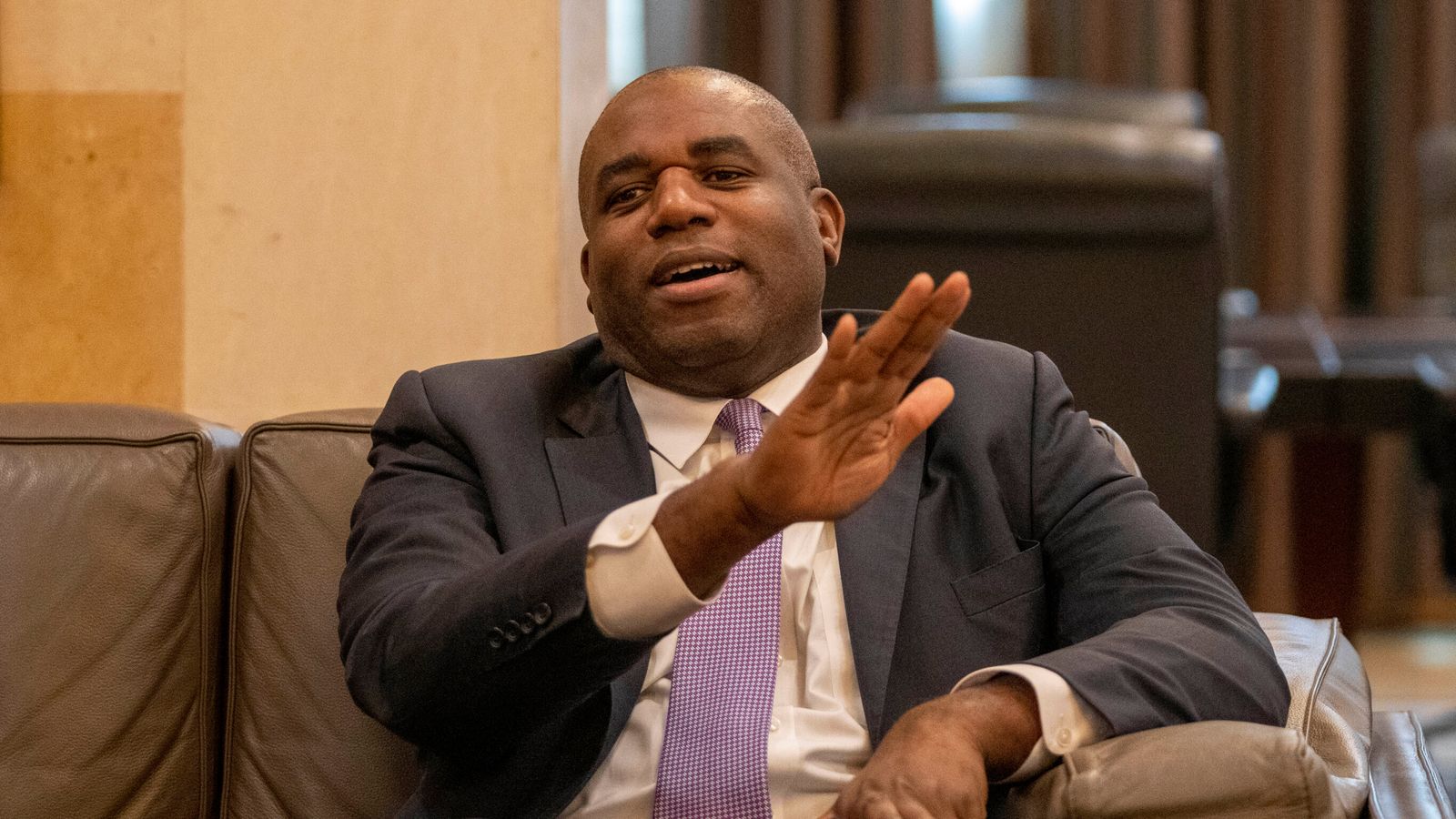
Labour’s approach to Africa, as articulated by shadow foreign secretary David Lammy, emphasises the need for ethical and sustainable partnerships. This reflects a shift towards recognising Africa’s potential and the importance of fostering long-term, mutually beneficial relationships. Leeds-based Gambian-born chartered accountant Nuha Ceesay highlights Labour’s policies on development, trade, investment, and environmental protection as aligning with his vision of how the UK should engage with Africa.
A New Approach to the Continent
Labour’s manifesto acknowledges Africa’s growing importance and promises a new approach to the continent. While specifics are still emerging, the party has indicated a focus on promoting the rule of law, democracy, and sustainable development. Leah Rea from Agora points out that while Labour’s detailed vision for Africa remains to be fully articulated, the general themes of security, trade, and international law suggest a comprehensive strategy is in the works.
Enhancing Presence and Investment
Labour’s intent to enhance its presence within Commonwealth nations is clear. Alex Vines from Chatham House notes that Africa’s proximity to Europe and the UK’s historical and cultural ties with the continent make it a prime candidate for strengthened relations. Vines recalls past initiatives by David Cameron and Tony Blair, suggesting that Labour’s current leadership might revive and expand upon these efforts.
Consultations with Experts
Labour’s shadow minister for Africa, Lyn Brown, and her team have been actively engaging with experts to develop a nuanced approach to Africa. This includes consultations on how trade and investment could be reoriented under Labour’s governance to foster new directions and opportunities.
Balancing Trade and Security Interests
Labour’s policy towards China, which includes a full audit of UK-China relations, underscores a broader strategy of balancing economic interests with security imperatives. This approach is likely to influence Labour’s dealings with African nations, ensuring that trade agreements and investments are secure, ethical, and beneficial to both parties.
A Broader Foreign Policy Framework
Starmer’s Labour government is expected to maintain a firm stance on global issues such as the Israel-Palestinian conflict, Ukraine, and Brexit. The promise to push for a ceasefire in Gaza, recognise a Palestinian state, and continue support for Ukraine aligns with their broader foreign policy of “progressive realism.”
Critique: Labour’s Historical Record in Africa
While Labour’s renewed focus on Africa is promising, it is essential to scrutinise this commitment against the backdrop of its historical performance in the region.
A Mixed Legacy
Labour’s past dealings with Africa have been a mix of commendable initiatives and criticisms. Tony Blair’s government made significant strides with the Commission for Africa, established in 2004, which aimed to galvanise international support for Africa’s development. The Commission’s report led to increased aid and debt relief for African nations. Blair’s tenure also saw the UK playing a pivotal role in addressing issues such as poverty and HIV/AIDS in Africa.
However, Labour’s track record is not without blemishes. Critics argue that despite Blair’s initiatives, the impact on the ground was limited, with many African nations continuing to struggle with systemic issues such as corruption, poor governance, and economic dependency. Additionally, Labour’s involvement in the Iraq War overshadowed its achievements in Africa, drawing resources and attention away from the continent.
Inconsistent Engagement
Subsequent Labour governments showed inconsistent engagement with Africa. While Gordon Brown continued some of Blair’s initiatives, the focus on Africa diminished significantly. The party’s stance during the late 2000s and early 2010s did not prioritise Africa, as global economic crises and domestic issues took precedence. This inconsistency has led to skepticism about Labour’s long-term commitment to the continent.
Current Promises vs. Past Actions
Labour’s current promises, including ethical partnerships and sustainable investments, sound promising but require concrete actions and consistent engagement to be credible. The party must demonstrate that its renewed focus on Africa is not just rhetorical but backed by tangible policies and sustained efforts. The involvement of experts and comprehensive consultations is a positive step, but the implementation will be key to overcoming historical shortcomings.
Conclusion
The Labour Party’s foreign policy under Keir Starmer signifies a balanced, ethical, and pragmatic approach, with a renewed focus on Africa. However, this focus must be critically assessed against Labour’s historical record in the region. While the party has laid out an ambitious vision, it must learn from past inconsistencies and ensure that its engagement with Africa is sustained, impactful, and genuinely beneficial for both parties. Only time will tell if Labour can translate its progressive realism into concrete actions that make a meaningful difference in Africa.





