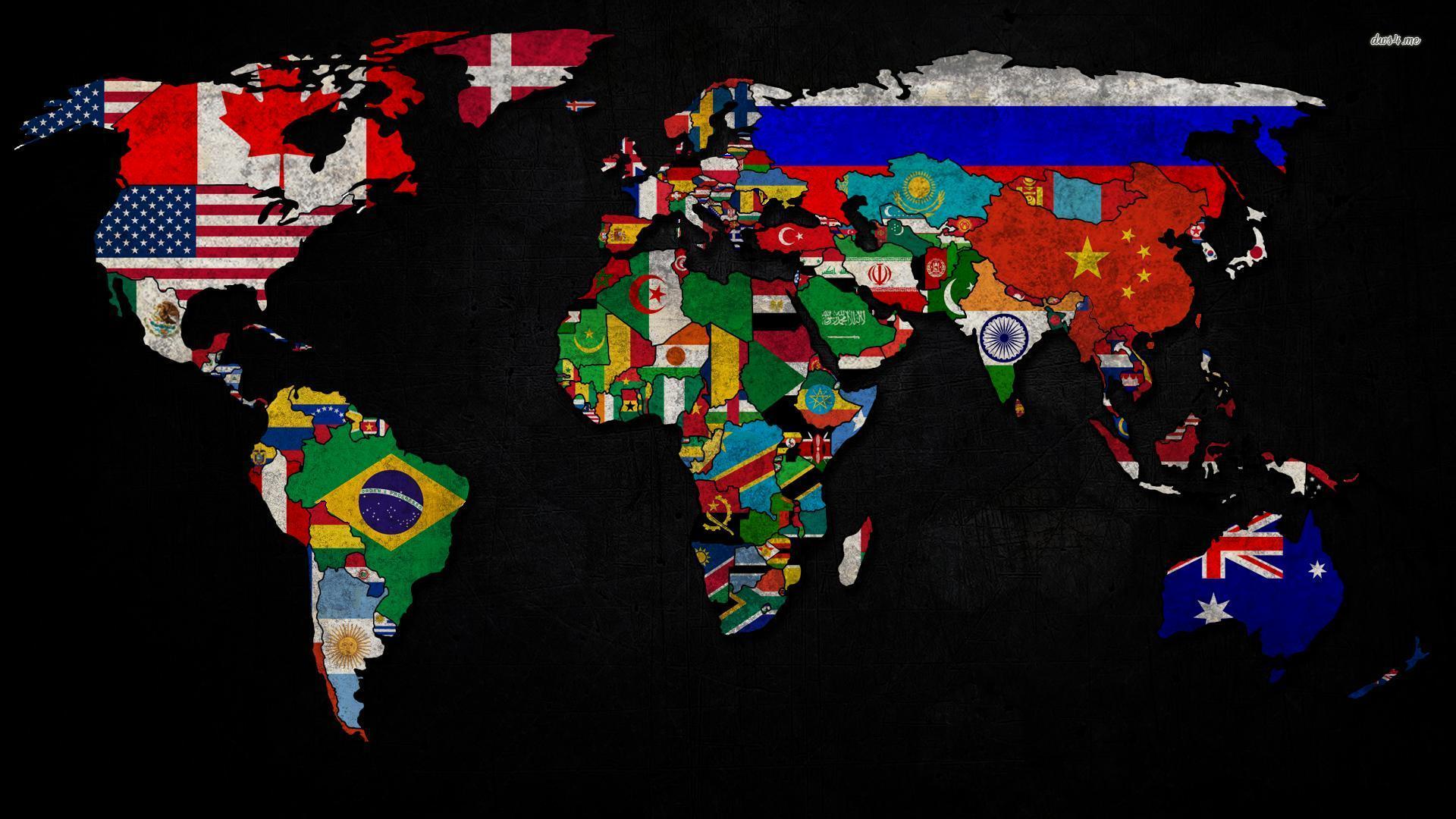
In exploring the dynamics of a Three Worlds system and its impact on global politics, it becomes evident that both the global West and the global East have incentives to widen their coalitions, reaching out to swing states in the global South. This competition, which is likely to evolve over time, will have significant implications for the evolution of global rules and institutions.
1. Competition for Allies Outside Their Orbit
As neither the United States nor China possesses the ‘critical mass’ to shape and dominate the global system by relying solely on states within their orbit, both superpowers are compelled to seek alliances beyond their traditional spheres of influence. This strategic necessity has led both the US and China to cultivate ties with key states in regions like Asia, Latin America, Africa, and the Middle East.
For instance, the United States has sought to deepen its ties with India, moving beyond its postwar alliance system through initiatives like the Quadrilateral Security Dialogue (‘the Quad’). Similarly, China has been proactive in fostering relations with countries like Brazil, alongside its efforts under the Belt and Road Initiative. Both superpowers have also intensified efforts to engage with critical states like Saudi Arabia and the Philippines, recognizing their strategic importance.



2. Preventing Incorporation into Rival Camps
In addition to expanding their own alliances, both the United States and China are motivated to prevent various countries from aligning with their rival. This is particularly crucial for states strategically located between the two superpowers, such as the Philippines. Both Washington and Beijing seek to deepen ties with Manila to either draw it into their orbit or prevent it from moving closer to the other side.
The United States emphasizes security ties, while China focuses on trade and investment opportunities. This competition for influence echoes the Cold War-era balancing acts between the Soviet Union and the United States. However, the current competition differs in that countries in the global South have complex economic relations with both superpowers, leading to a less stark ideological divide. Nonetheless, the competition for allies remains intense and is likely to persist for decades.
3. Demonstrating Virtue as Hegemonic Leaders
Both the United States and China have growing incentives to demonstrate their virtues as global hegemonic leaders. They seek to build coalitions that extend beyond their traditional bases in the global West and global East, respectively. A key strategy for achieving this is by being major providers of global public goods.
Each superpower aims to lead in areas such as sustainable energy, vaccine research, and economic development financing. By showcasing their contributions to global welfare, the US and China seek to gain wider support for their leadership. This competition could potentially benefit the world by driving both camps to prioritize global well-being. However, it also underscores the importance of being perceived as legitimate actors in global affairs.
4. Seeking Legitimacy in Global Governance
Both the United States and China recognize the importance of legitimacy in global governance. They understand that being perceived as legitimate actors enhances their hegemonic power. Thus, they are motivated to avoid being blamed for generating global crises or instability.
The United States, for example, faced a decline in its global ideological appeal following the 2008 financial crisis. Similarly, China risks losing support when it employs coercive economic tactics or aggressive diplomacy. Both superpowers recognize the importance of being seen as providers of stability and global goods.
5. Impact on Global Rules and Norms
The competition between the global West and the global East is expected to influence the underlying rules and norms of world order. While material outcomes such as trade, security, and foreign aid play a significant role, the kind of world each superpower seeks to build—its rules, norms, and principles—are equally important.
Both the United States and China aim to promote rules and principles with wider appeal. This involves more than just advocating for their respective political systems; it entails shaping global norms based on principles like transparency, multilateralism, and sustainable development. For instance, the United States has increasingly framed its involvement in conflicts like the Ukraine crisis in terms of broader global principles, moving beyond a simple struggle between democracy and autocracy.

Conclusion
In conclusion, the evolving dynamics of a Three Worlds system have profound implications for global politics, rules, and institutions. While both the global West and the global East compete for allies and influence, they also strive to demonstrate their virtues as global leaders and seek legitimacy in global governance.
The competition between the United States and China is not merely about power; it is about shaping the future direction of global order. This competition will likely continue for decades, leading to the reshaping of global rules and norms. Ultimately, the challenge for both superpowers lies in balancing their pursuit of power with their desire to be perceived as legitimate and benevolent actors on the global stage.
As the global West and global East compete for dominance, the world watches closely, knowing that the outcome will shape the course of global affairs for generations to come. In this evolving landscape, the key to success lies not only in strategic alliances and economic prowess but also in the ability to foster a global order based on cooperation, mutual respect, and shared prosperity.
With these insights, it becomes clear that the Three Worlds system of global politics is here to stay. However, its evolution will continue to shape and reshape the rules and institutions of global order. The challenge for the United States and its western partners is to leverage their historical advantage as curators of an open, rules-based global order and lead the reform necessary to address the challenges of the 21st century. In doing so, they can ensure that the global system remains oriented toward solving global problems and upholding universal principles of openness, the rule of law, and the liberty and consent of the governed.
In a world where these principles are increasingly under threat, the role of the global West as a leader in reforming and upholding the existing global order is more crucial than ever. As the script for the ending of this geopolitical drama unfolds, the global West stands ready to play its part in shaping a future that reflects the aspirations of all nations and peoples.