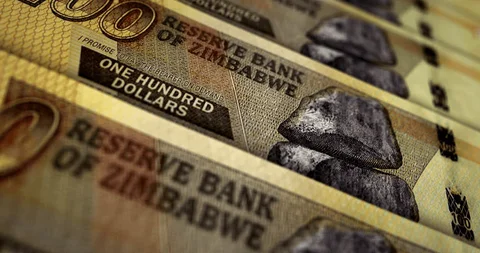
The Reserve Bank of Zimbabwe’s recent introduction of the Zimbabwe Gold (ZiG) currency marks a significant shift in the country’s financial landscape, as old Zimbabwean dollar notes ceased circulating to make way for this new, gold-backed alternative.
Governor John Mushayavanhu unveiled the ZiG currency on April 5, allowing the public 21 days to exchange their old, inflation-battered Zimbabwean dollar notes for the ZiG. Since then, the transition has been swift, with most businesses completing their system configurations to conduct transactions in ZiG.
In a show of confidence, major companies like Fastjet Zimbabwe and Zimbabwe’s national carrier, Air Zimbabwe, have swiftly adopted the ZiG currency for customer transactions. Fastjet Zimbabwe announced this week that customers can now pay for flight tickets using ZiG, while Air Zimbabwe followed suit on Friday by accepting ZiG payments for ticket purchases.




The ZiG has shown resilience against the U.S. dollar since its launch, buoyed by rising gold prices. Starting at 13.56 ZiG per U.S. dollar on April 5, the currency has maintained its strength, closing at 13.42 ZiG per U.S. dollar at the end of Friday’s trading.
This move towards a gold-backed currency signals a positive step for Zimbabwe’s economic stability, as the ZiG gains momentum and trust in the market. With businesses and consumers embracing the new currency, Zimbabwe looks poised for a more stable and prosperous financial future.