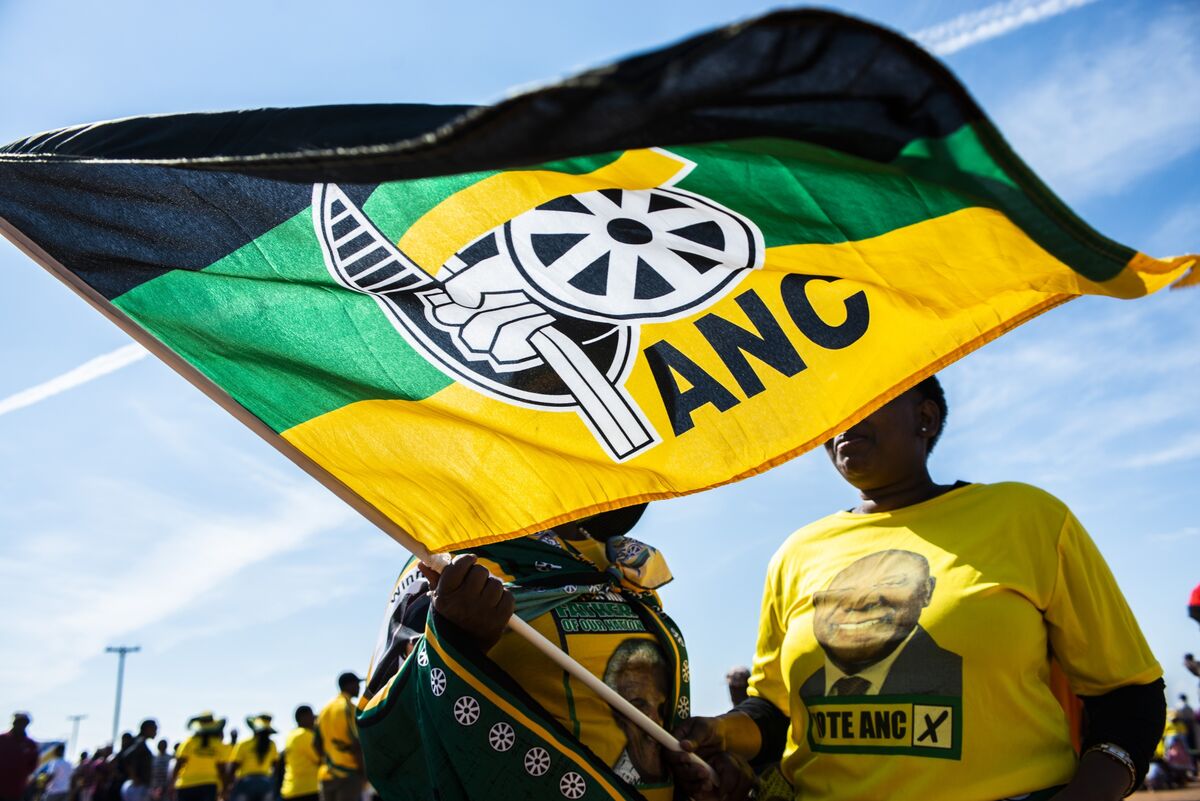
Arecent opinion poll conducted by the Social Research Foundation (SRF) indicates a significant decline in support for South Africa’s ruling African National Congress (ANC) ahead of the upcoming elections. The poll suggests that the ANC may only garner 37% of the vote, while a party backed by former President Jacob Zuma, the uMkhonto weSizwe Party (MKP), could secure 13%.
This potential outcome signals a notable shift in South Africa’s political landscape, with the ANC facing the prospect of forming a coalition with a major rival to maintain control of the country’s economy. The poll findings have also raised concerns among investors, prompting a weakening of the rand against the dollar.
While the SRF stressed that the poll is not a definitive forecast of the election outcome, it underscores growing disillusionment with the ANC, which has been marred by corruption scandals and governance challenges. Zuma’s endorsement of the MKP has further fragmented political support, particularly in his home province of KwaZulu-Natal.



However, the ANC still boasts significant campaign infrastructure and has been able to draw large crowds to its rallies. Analysts caution that there could be a late-stage surge in support for the ANC before the election.

Critics, including politics professor Steven Friedman, question the methodology of polls indicating ANC support below 40%, highlighting the complexity of accurately gauging public sentiment. Nonetheless, the SRF poll suggests a diverse political landscape, with the main opposition Democratic Alliance projected to win 25% of the vote and the Economic Freedom Fighters 11%.
The survey also sheds light on regional dynamics, with the ANC facing stiff competition from the DA in Gauteng and the MKP emerging as a formidable contender in KwaZulu-Natal. Despite these shifts, the ANC remains a dominant force in South African politics, albeit with waning support.
As South Africa braces for a pivotal election, the outcome will not only shape the country’s future but also have implications for the broader African continent. The ANC’s ability to navigate these challenges and address voter concerns will be closely watched both domestically and internationally.

The SRF poll, conducted among 1,835 registered voters, underscores the need for political parties to engage with citizens and address their grievances. With the margin of error standing at 2.2%, the results provide valuable insights into the evolving political landscape of South Africa.