After a crucial summit held in Abuja, West African leaders have displayed a unified front in addressing the recent political crisis in the Republic of Niger. The Economic Community of West African States (ECOWAS), a 15-member regional bloc, convened for an extraordinary summit to discuss the socio-political impasse in Niger, which has been exacerbated by a recent coup. The summit saw the presence of at least eight West African heads of state, with three others represented, underscoring the gravity of the situation.
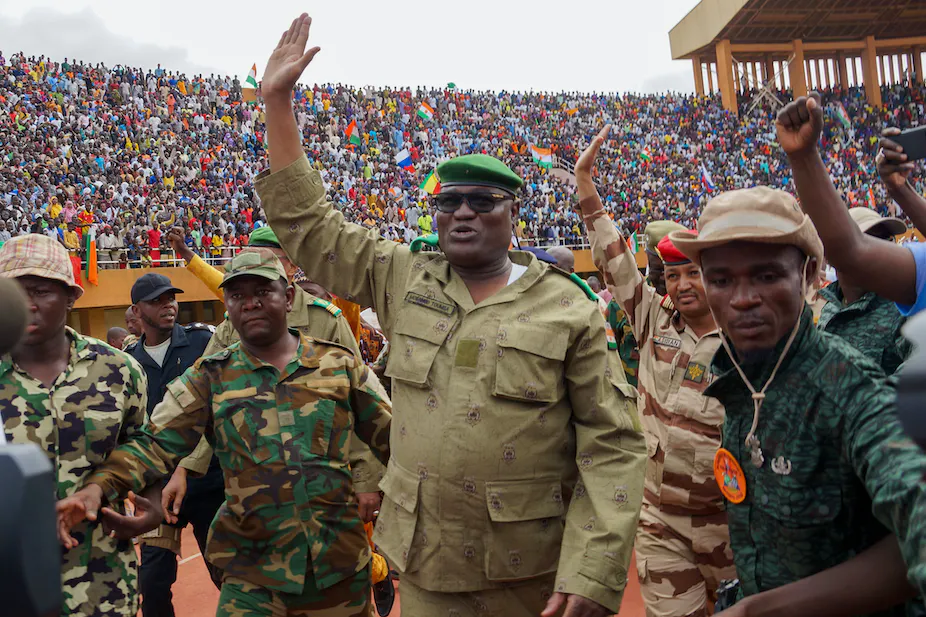
The landlocked nation of Niger, one of the world’s poorest countries, has been in turmoil since the military detained President Mohamed Bazoum on July 26. The junta’s refusal to relinquish power and its subsequent actions have triggered strong condemnation from both within Africa and the international community. The regional leaders expressed their unwavering rejection of the coup, deeming it a “terrorist act” and a threat to regional stability.
President Alassane Ouattara of Cote d’Ivoire, addressing reporters on the summit’s sidelines, emphasized ECOWAS’s historical stance against coup d’états and expressed the organization’s refusal to accept the current situation in Niger. The regional bloc issued a statement outlining its commitment to restoring constitutional order in Niger through peaceful means. This statement echoed the principles and measures agreed upon during an urgent ECOWAS summit held on July 30.



Ouattara revealed that ECOWAS had engaged in dialogue with the junta, sending a delegation of respected figures to communicate with the uncooperative military leadership. However, these efforts have yet to yield results. The delicate balance between diplomacy and disapproval has emerged as a testament to the region’s dedication to stability and conflict prevention.

Efforts to peacefully resolve the crisis continue, with mediators working diligently to encourage the coup leaders to step down and reinstate civilian governance. The international community fears that a power vacuum in the Sahel region could foster extremism, adding urgency to the resolution process.
Macky Sall, the President of Senegal, asserted that ECOWAS’s approach toward military juntas has evolved, signaling a departure from past practices. He stressed the importance of correcting past mistakes and affirmed the collective commitment to restoring constitutional order in Niger.
Nigerian President Bola Tinubu, who chairs the authority of ECOWAS heads of state and government, emphasized that while various options remain on the table for a peaceful resolution, the potential use of force is not ruled out as a last resort.
The summit also saw the activation of the regional standby force, a measure taken after Niger’s junta refused to yield power. The force aims to restore stability and constitutional governance, with the primary objective of facilitating a return to normalcy in Niger.
As the situation remains fluid and tensions continue to escalate, the upcoming days will be pivotal in determining the course of action. ECOWAS’s call for the activation of the regional standby force reflects the seriousness with which West African leaders approach this crisis.
The bloc’s resolution includes enforcing sanctions, such as border closures and strict travel bans, on individuals or groups impeding peaceful efforts to restore constitutional order in Niger.
The Economic Community of West African States (ECOWAS) comprises Benin, Burkina Faso, Cabo Verde, Cote d’Ivoire, The Gambia, Ghana, Guinea, Guinea-Bissau, Liberia, Mali, Niger, Nigeria, Senegal, Sierra Leone, and Togo.
While the recent summit held by West African leaders to address the political crisis in Niger showcases regional unity and commitment to stability, there are several points of criticism that deserve attention. Firstly, the West African response appears to be delayed, considering that the military coup occurred on July 26, and the summit took place over two weeks later. This delay might have allowed the junta to solidify its grip on power and hindered the potential for a swift and effective resolution.
Additionally, the rhetoric of “dialogue and condemnation” raises questions about the effectiveness of diplomatic efforts. While dialogue is crucial, it seems that the junta’s defiance of ECOWAS’s Aug. 6 deadline and the continued unlawful detention of ousted President Mohamed Bazoum and his family demonstrate a lack of receptiveness to peaceful negotiations. The fact that the military junta has already taken steps to exercise legislative and executive authority further complicates the restoration of constitutional order.
Furthermore, the threat of using force as a last resort introduces a risky dynamic. While it’s important to have all options on the table, the use of force could exacerbate the situation and lead to unintended consequences. Balancing diplomacy with a credible threat of force is a delicate act that requires careful consideration.
The activation of the regional standby force is a positive step, but its effectiveness relies heavily on the willingness of member states to contribute resources and personnel promptly. The potential deployment of the force could escalate tensions and potentially lead to conflict if not executed with utmost caution.

The measures outlined in the bloc’s resolution, such as border closures and travel bans, might have unintended consequences for the people of Niger, further exacerbating their already dire situation. Balancing these sanctions with efforts to support the population’s basic needs is crucial.
Overall, while West African leaders’ commitment to stability and the restoration of constitutional order in Niger is commendable, the response could be seen as somewhat reactive and lacking a clear roadmap for effective resolution. The regional bloc needs to swiftly implement measures that apply pressure on the junta while demonstrating an unwavering commitment to supporting the people of Niger during this crisis.