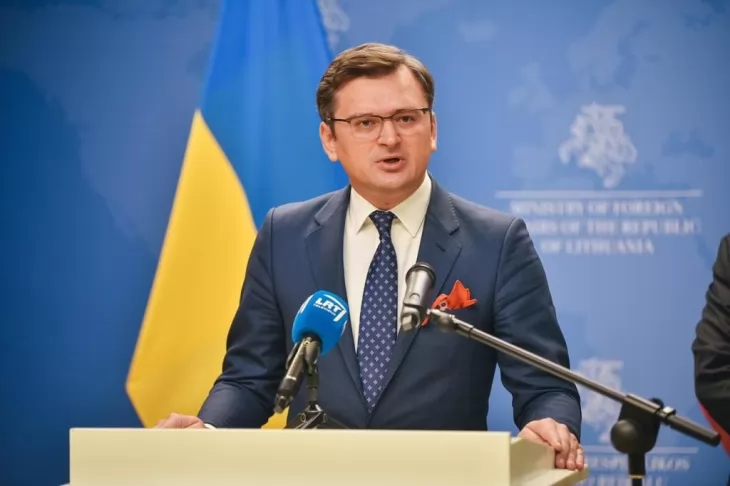
Ukraine’s Foreign Minister Dmytro Kuleba embarked on a historic visit to Liberia as part of his third wartime tour of Africa. The visit comes in the wake of Russia’s decision to host a summit with African leaders, following the collapse of the Black Sea grain deal. The deal’s demise has raised concerns over the export of Ukrainian grain via the Black Sea during the ongoing conflict.
Kuleba’s trip marks the first-ever such visit in the annals of Ukrainian diplomacy and signifies Kyiv’s concerted effort to challenge Russian influence not only in Africa but also in the broader “Global South.” During his visit, Kuleba engaged in discussions with Liberian leaders centered on securing the export of Ukrainian grain to Africa, along with President Volodymyr Zelenskiy’s vision for peace in Ukraine.
According to Ukrainian Foreign Ministry spokesperson Oleg Nikolenko, Russia’s recent withdrawal from the grain deal has led Ukraine to intensify its efforts in garnering support from African nations to sustain its grain exports. This move comes in the face of alleged Russian food blackmail, with Moscow reportedly targeting Ukraine’s grain sector to position itself as the sole grain supplier. Russia’s airstrikes on crucial grain infrastructure along the Danube River and the export region of Odesa have further exacerbated the situation.



Moscow, like Ukraine, is a major grain exporter, and the rivalry between the two nations over grain exports has intensified. Russia has expressed its willingness to assist Africa with both commercial and free shipments of Russian grain. The upcoming Russia-Africa summit in St Petersburg is set to witness the participation of 17 African heads of state, with Russia keen on bolstering ties with the continent.

The rift between Ukraine and Russia over the grain deal has broader implications for regional stability and food security. While Ukraine seeks to diversify its grain export avenues amidst Russia’s pressure, Moscow contends that its actions are aimed at regaining certain concessions. With both nations grappling for influence, the situation merits close attention from the international community.
As tensions escalate and geopolitical interests intersect, the world watches closely to see how the delicate balance of power in the region may be affected. The unfolding events will undoubtedly shape the dynamics of grain trade and regional relations in Africa and beyond.