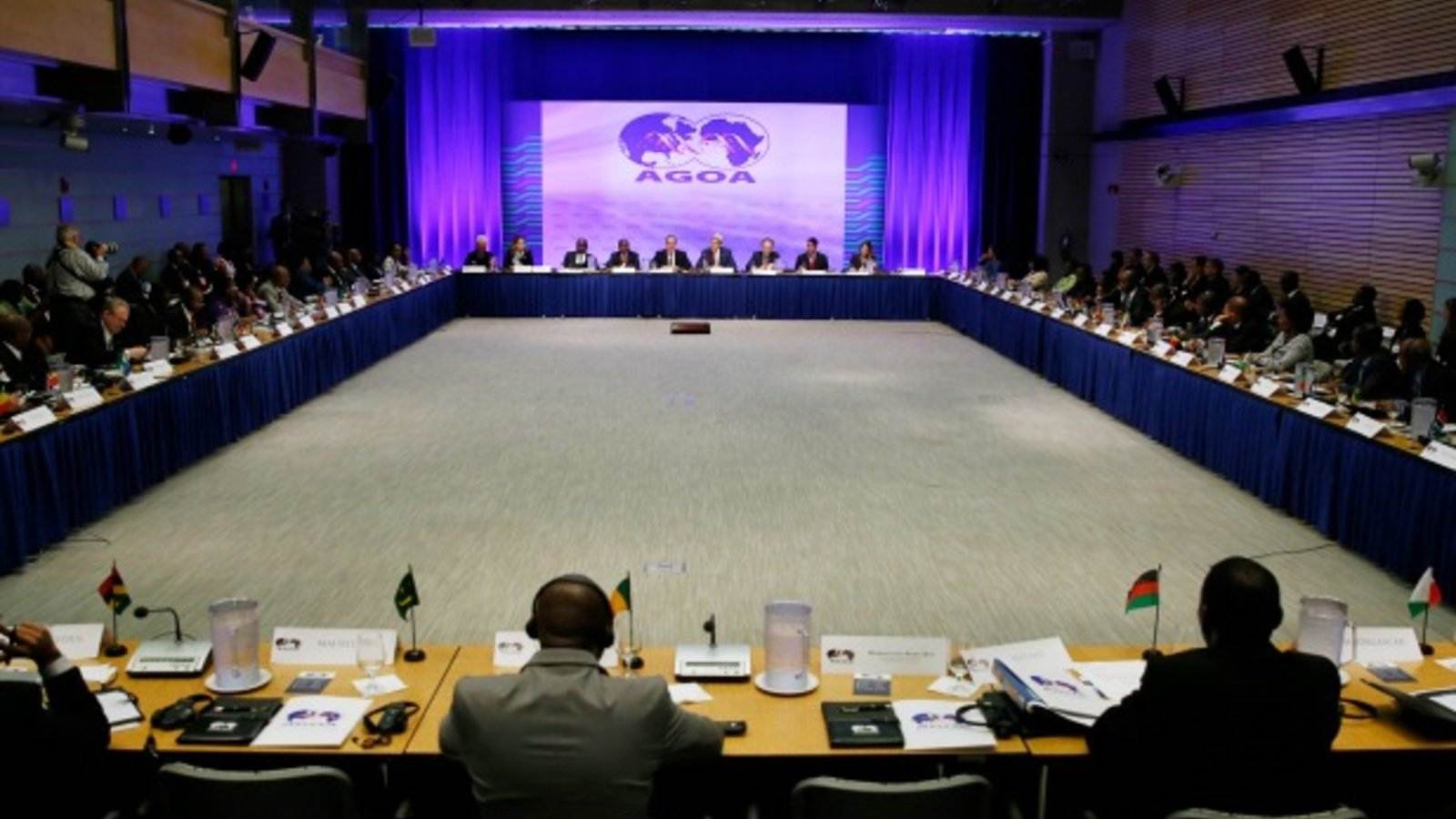
Arecent report to the US Congress has revealed that the African Growth and Opportunity Act (AGOA), a significant US trade preference program for Sub-Saharan Africa, has had an uneven impact on the region’s economies. While the program has been successful in boosting the garment sector in some nations, its advantages are not felt equally by all countries and sectors.
The report, released by the US International Trade Commission (USITC), stated that AGOA trade benefits have reduced poverty and helped create jobs in several nations, particularly for women. However, it also highlighted that just five nations, South Africa, Kenya, Lesotho, Madagascar, and Ethiopia, exported non-petroleum goods duty-free to the United States between 2014 and 2021.
The US House of Representatives Ways and Means Committee commissioned the research to inform the debate in Congress over whether to extend or reform AGOA, which expires on September 30, 2025. Established in 2000, the initiative serves as a pillar of US-African trade ties, with the goal of advancing democracy and the economic growth of Sub-Saharan Africa.



The report singled out the apparel sector as the program’s greatest accomplishment, with the sector helping key exporters like Madagascar, Kenya, Lesotho, Mauritius, and Ethiopia reduce their levels of poverty. “AGOA benefits appear to be essential for Sub-Saharan Africa countries to maintain their apparel exports to the United States,” the USITC report said.
However, the report also observed that due to a lack of progress in the development of higher value-added downstream manufacturing, AGOA has had less effectiveness in decreasing poverty for workers in other sectors, such as cotton farming, cocoa production, and chemicals.

“While certain sectors and countries have benefited from the program, AGOA has not achieved all that we had hoped, and more work must be done to improve our economic relationships,” said US Representative Richard Neal, the top Democrat on the Ways and Means Committee.
The report’s findings have significant implications for US-Africa trade relations, as the program has been a key pillar of US economic engagement in the region. Some experts have suggested that the report’s recommendations could lead to significant changes in the program, including greater emphasis on higher value-added downstream manufacturing and a more targeted approach to specific sectors and countries.
In conclusion, the report highlights the successes and shortcomings of AGOA, and underscores the need for continued efforts to promote economic growth and development in Sub-Saharan Africa. As discussions continue over the future of the program, it is clear that policymakers and stakeholders must work together to ensure that US-Africa trade relations are both effective and equitable.