For several years I’ve enjoyed following Eric Olander’s “China-Africa Project” on twitter, a resource which is designed to specialize in news, analysis and commentary of Beijing’s relations with the wider continent, an issue which is topical, of growing geopolitical significance and of course controversy. Ideally it goes without saying that more specialization in Africa related matters is needed, people who understand this part of the world on its own terms, with nuance, regional expertise and critical insight, as opposed to the cliches of the mainstream media and the lens of western exceptionalism.
I can’t say that Eric didn’t fit this label. I got to be friends with him initially precisely because he professed to care deeply about Global South issues. Generally speaking, he is a nice guy and has a cordial approach to a hostile twitter world.Of course, sometimes he posted critical news or differing opinions regarding China’s investments on the continent, but news is news and I accepted his premise that he was in fact an impartial interlocker in what he did, because objective and balanced information matters. I constantly retweeted his account and then used it as a resource. It has grown as of present to over 21,000 followers.
Then it all changed. As geopolitical tensions grew throughout 2020 and continued into 2021 as they have, the China-Africa projects work began to slant towards more critical and negative angles. It was observable, but not a diminishing in quality so much as to make such an overt accusation or to “throw the toys out of the pram” so to speak. But then all of a sudden, Eric unfollowed me on twitter. I asked him why he did this, he told me it was because I was “too partisan” and wanted a more balanced feed, which is odd given he always accepted my insights for what they were. Trusting him, I accepted his premise as good faith and reminded myself twitter doesn’t revolve around me. I continued to retweet CAP content accordingly when I found it useful.



But soon several things occurred which made such a shift impossible to ignore. First, the CAP began to host a podcast and invited a number of anti-China pundits associated with the mainstream media “blob” as so to speak, people for that matter, which were not even relevant to China-Africa related matters never mind having any expertise regarding the subject as a whole. This included a zealous Chinese-Canadian journalist, a CSIS think tank analyst, and an author (several times for that matter) who penned a book titled “Why China Loses” and constantly repeats misleading mainstream media talking points against Beijing such as “Wolf Warrior Diplomacy” and “Economic coercion”- big red flags which show a person is acting in bad faith on the topic.
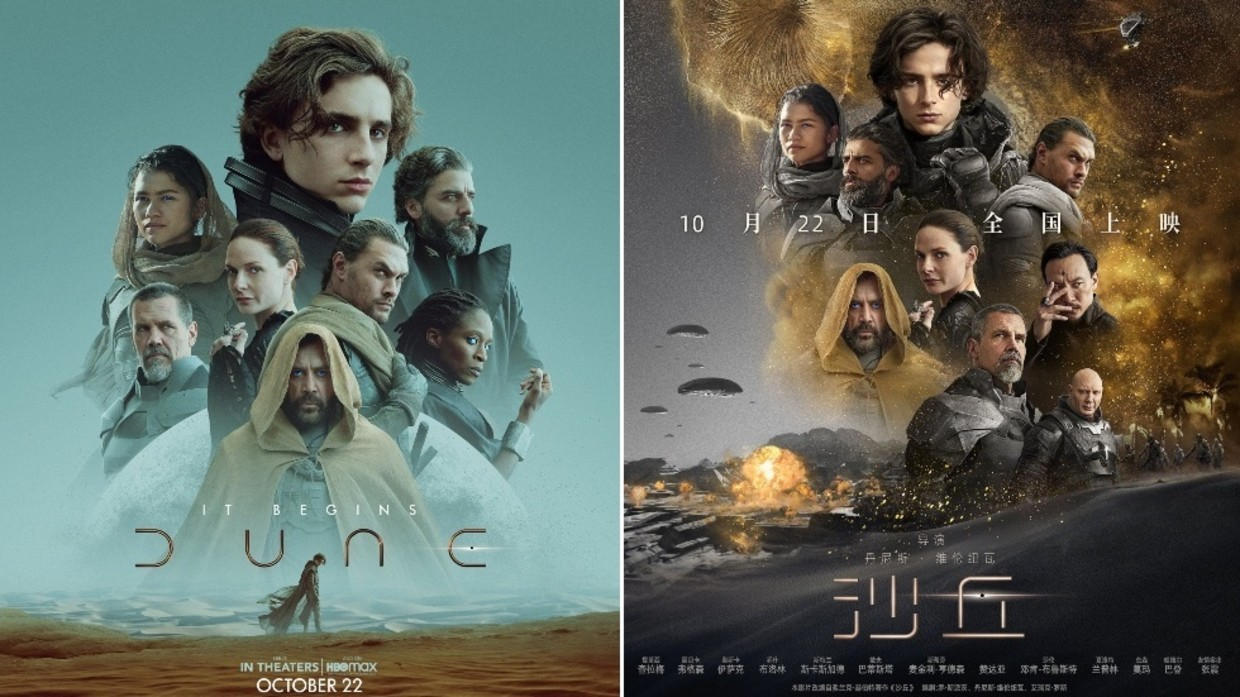
Of course, the podcast has invited African voices on too and that should not be overlooked, including our good friend Ovigwe Eguegu, yet the growing negative slant of the project is unmistakeable and this all blew up several weeks ago when the CAP marred itself in a huge controversy which effectively and perhaps irreparably damaged its reputation amongst the pro-China crowd. The project’s twitter account had tweeted a claim, created by certain notorious anti-China Youtubers, that the movie posters of the science fiction feature Dune being used to market it in China, had in fact been edited to remove a British black actress (Sharon Duncan-Brewster) contrasting with those in the west.
It soon emerged that this claim was false, and that there were multiple posters in China some of which featured this actress. As a result of his influential platform posting this, the news was soon astroturfed by the right-wing tabloid media such as the Daily Mail, pushing a narrative that China was racist and anti-black. This has been a common line of attack over the past few years, but has gained special significance in those who seek to deliberately undermine China’s relationships with African countries. Eric soon deleted the initial tweet, but the damage was already done, and he seemingly failed to apologize for the mistake which contributed to CAP spreading fake news about China.
The incident soon led to more revelations. Russia Today launched an article covering the controversy, which citing investigation from Shenzhen based Youtuber Daniel Dumbrill,revealed the CAP was receiving funding from the US based Ford Foundation, which in turn was known for its relationship with the CIA during the Cold War. RT in particular described the CAP’s work as “tilted to increase scepticism about Beijing’s intentions and the benefits that its partners would get for doing business with the Chinese” observable in the slant I have noticed. Whilst it would be unfair to call the project completely anti, it was nonetheless observable enough to make me suspicious that Eric had tilted his platform out of career-based incentives, which I have seen over the past year, many people do.

Anti-China after all has become the conventional wisdom of the time, the thing which people want to hear, the agenda which news outlets and NGOs want to push, the things which receive funding and so on, and of course the opinions which censure your career if you fail to live up to them, hence why he decided to first unfollow, and then even block me for no good reason. It is the ”groupthink” of the US led media and think-tank establishment right now to play to these narratives and talk about “debt traps”. Do you think the CAP would be going anywhere if it was calling out lies about the US governments narrative on China? That it was depicting China’s efforts on the continent positively? Or helping people to understand China’s motivations there with context?
In conclusion, China-Africa ties are crying out for nuanced, balanced and good faith analysis, in a field which is for the most part completely void of it. I put a lot of trust and faith into CAP as being a good faith project, only for Eric to seemingly buckle under the pressure of a changing geopolitical context and suddenly find that I was no longer welcome. Hence, I am resigned to concluding that this project ought to be treat with scepticism until it comes clear over its intentions and stops censuring its own work to appease a bubble of Washington centric China watchers and journalists who are obsessed with imposing their own vision on the country. It has significant potential and intellectual value, yet I feel burned for putting my trust in this when I should have seen the writing on the wall a long time ago.
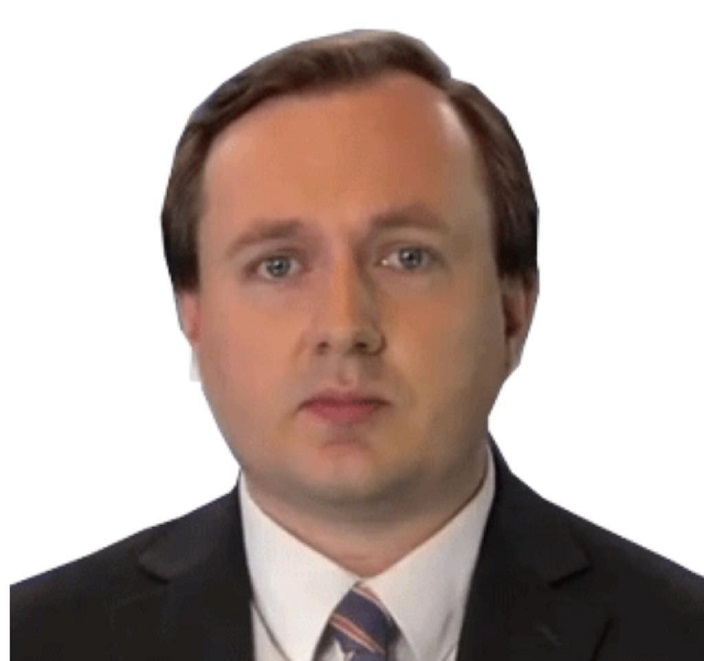
Tom Fowdy is a Political Columnist for The Southern African Times. He is a British political and international relations analyst and a graduate of Durham and Oxford universities. He writes on topics pertaining to China, the DPRK, Britain, and the U.S.
The views expressed in this article are the author’s own and do not necessarily reflect The Southern African Tines’s editorial stance.